We examine the technical nuances, evaluate the safety features, and compare the performance of LiFePO4 batteries to other lithium-ion variants. We analyze their long-term durability, environmental impact, and potential for future innovations. Understanding these aspects can influence your decision-making process and application choices. As we explore their benefits and limitations, you’ll uncover the critical factors that determine whether LiFePO4 technology is suitable for your energy storage needs.
Key Takeaways
- LiFePO4 batteries are rechargeable lithium-ion batteries known for their safety, stability, and long cycle life.
- They feature excellent thermal stability, reducing risks of fires and explosions during operation.
- Widely used in electric vehicles, renewable energy storage, marine applications, and portable devices.
- They have lower environmental impact due to easier recycling and absence of toxic metals like cobalt.
- Key advantages include safety, durability, sustainability, and reliable performance across various climates.
What Are LiFePO4 Batteries and How Do They Work?
LiFePO4 batteries, also known as lithium iron phosphate batteries, are a type of rechargeable lithium-ion battery distinguished by their cathode chemistry. This chemistry provides a stable structure, improving safety and cycle life. The battery chemistry involves lithium ions transferring between the anode and cathode during charge and discharge cycles. Compared to other lithium-ion chemistries, LiFePO4 offers a lower energy density, meaning it stores less energy per unit weight, but this trade-off enhances thermal stability and longevity. The energy density is sufficient for many applications, though it’s lower than alternatives like lithium cobalt oxide. Understanding these core aspects helps clarify why LiFePO4 batteries excel in safety and durability, even if they don’t maximize energy storage capacity.
Benefits of Choosing LiFePO4 Battery Technology
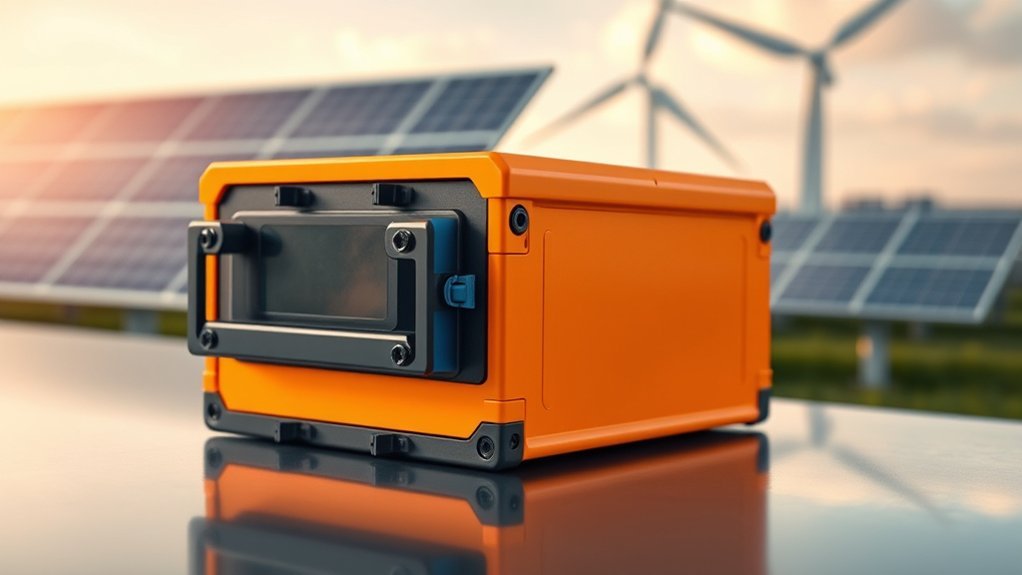
The inherent safety and stability of LiFePO4 chemistry translate into significant advantages for various applications, making these batteries a preferred choice in demanding environments. Their robust chemical structure minimizes risks of thermal runaway and fires, ensuring safer operation. Additionally, LiFePO4 batteries offer extended cycle life, reducing replacement frequency and overall lifecycle costs. From an environmental perspective, these batteries are more sustainable due to easier battery recycling, which decreases hazardous waste. Their stable composition results in lower environmental impact during disposal, aligning with eco-friendly practices. Moreover, the absence of cobalt and nickel reduces resource extraction concerns, making LiFePO4 technology a responsible choice for long-term energy storage solutions. Overall, these benefits underscore their growing preference in sectors prioritizing safety, sustainability, and efficiency.
Comparing LiFePO4 Batteries to Other Lithium-Ion Options
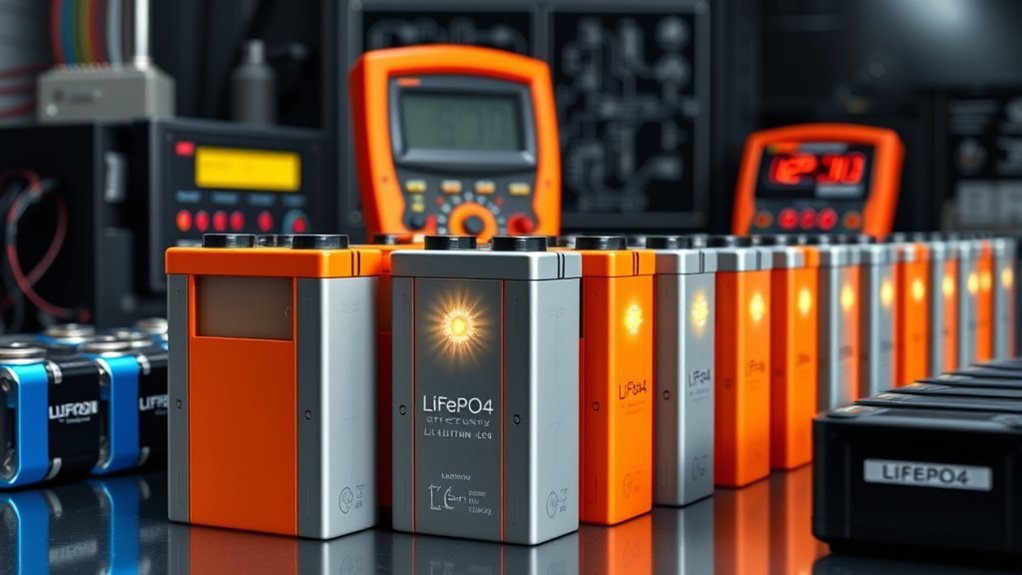
While all lithium-ion batteries share core chemistries, LiFePO4 batteries distinguish themselves through specific performance characteristics that impact their suitability for various applications. They offer superior thermal stability, longer cycle life, and enhanced safety, making them ideal for demanding environments. Compared to other lithium-ion options like NMC or LCO, LiFePO4 batteries exhibit a lower environmental impact due to reduced toxicity and safer disposal methods. Their recyclability is also advantageous, simplifying battery recycling processes and minimizing ecological harm. Although they typically have a lower energy density, their stability and longevity often outweigh this limitation. Overall, LiFePO4 batteries present a more sustainable choice, combining technical performance with environmental considerations, making them increasingly attractive across renewable energy, electric vehicles, and grid storage sectors.
Key Factors to Consider When Selecting a LiFePO4 Battery
Choosing the right LiFePO4 battery involves analyzing several key factors that directly influence performance, safety, and longevity. Critical considerations include capacity, cycle life, charge/discharge rates, and thermal stability. Additionally, evaluating the battery’s environmental impact is essential; LiFePO4 batteries are more eco-friendly due to their longer lifespan and safer chemistry, which facilitates easier battery recycling. Proper selection minimizes waste and supports sustainable practices. It’s also important to examine the manufacturer’s quality standards and certifications to ensure safe operation and reliable environmental management. By thoroughly analyzing these factors, we can select batteries that optimize efficiency, reduce ecological footprint through responsible battery recycling, and contribute to a more sustainable energy ecosystem.
How to Properly Maintain and Extend the Life of Your LiFePO4 Battery
Proper maintenance of LiFePO4 batteries hinges on disciplined charging routines and ideal storage conditions, which directly affect their lifespan. Consistently adhering to recommended charge levels and avoiding deep discharges help preserve capacity, while maintaining stable, cool storage environments minimizes degradation. Implementing these practices guarantees reliable performance and maximizes long-term battery health.
Regular Charging Practices
Maintaining ideal charging practices is essential for maximizing the lifespan and performance of LiFePO4 batteries. Proper management of charging cycles minimizes stress on the battery, reducing capacity degradation over time. We recommend avoiding frequent deep discharges and instead maintaining a cycle range between 20% and 80%, as this preserves overall battery health. Consistent, controlled charging prevents overvoltage conditions that can accelerate capacity loss. Using a charger with appropriate voltage regulation and avoiding rapid charging are critical for extending battery lifespan. Recognizing that each charge cycle contributes to gradual capacity decline, implementing these practices helps slow deterioration, ensuring reliable operation and longer service life. Adhering to these principles optimizes energy retention and reduces the need for premature replacements.
Optimal Storage Conditions
Have you ever wondered how storage conditions impact the longevity of your LiFePO4 battery? Maintaining ideal storage conditions minimizes capacity fade and prolongs lifespan. The key factors are perfect temperature and humidity control. Ideally, store batteries in a cool, dry environment between 0°C and 25°C. Excessive heat accelerates electrolyte degradation, while extreme cold reduces available capacity. Humidity must be controlled to prevent corrosion and internal damage.
| Storage Parameter | Recommended Range |
|---|---|
| Ideal Temperature | 0°C to 25°C |
| Humidity Control | Below 60% RH |
| Voltage Level | 50% to 70% of capacity |
Proper storage, with attention to these parameters, ensures battery stability and maximizes lifespan.
Common Applications and Use Cases for LiFePO4 Batteries
LiFePO4 batteries are widely used in various applications due to their stability, longevity, and safety profile. They are particularly effective for solar power storage, electric vehicles, and marine or RV systems, where reliable energy management is critical. Understanding these use cases helps optimize performance and maximize the benefits of this advanced battery chemistry.
Solar Power Storage Solutions
How do LiFePO4 batteries optimize solar power storage solutions across various applications? Their stability, high cycle life, and thermal safety make them ideal for this purpose. LiFePO4 batteries efficiently store excess solar energy for later use, reducing reliance on grid power and supporting off-grid systems. Their longevity minimizes the frequency of replacements, which benefits battery recycling efforts and reduces waste. Additionally, their environmentally friendly chemistry results in a lower environmental impact compared to other lithium-ion chemistries, as they contain fewer toxic materials. This sustainability aspect is vital for large-scale solar installations and residential setups alike. Overall, LiFePO4 batteries enhance solar power storage with their durability, safety, and eco-conscious design, making them a practical choice for advancing renewable energy solutions.
Electric Vehicle Applications
The advantages of LiFePO4 batteries observed in solar storage—such as high cycle life and thermal stability—make them highly suitable for electric vehicle (EV) applications. Their safety profile, combined with long lifespan, reduces replacement frequency and waste, positively impacting battery recycling efforts and lowering environmental impact. These batteries support fast charging and high power output, essential in EV performance. The table below highlights key characteristics:
| Feature | Benefit | Consideration |
|---|---|---|
| Thermal stability | Safe operation in diverse climates | Cooling system integration |
| Long cycle life | Reduced replacement and waste | Recycling infrastructure needed |
| High power density | Efficient acceleration | Battery management systems |
Utilizing LiFePO4 in EVs optimizes sustainability and performance, aligning with environmental goals.
Marine and RV Use
Why are LiFePO4 batteries increasingly favored in marine and RV applications? Their high energy density, longevity, and thermal stability make them ideal for powering essential systems like marine electronics and fishing gear. Unlike traditional lead-acid batteries, LiFePO4 units deliver consistent voltage output, ensuring reliable operation of navigation systems and communication devices. Their fast charging capabilities and deep cycle performance support extended use during long trips or fishing excursions. Additionally, their lightweight design reduces overall vessel weight, enhancing fuel efficiency and maneuverability. The safety profile of LiFePO4 chemistry minimizes risks of thermal runaway, a critical factor in confined marine environments. Overall, these batteries provide a durable, efficient, and safer power solution tailored for demanding marine and recreational RV applications.
Understanding the Safety Features of LiFePO4 Batteries
Because of their chemical stability, LiFePO4 batteries inherently possess several safety advantages over other lithium-ion chemistries. Their stable cathode material resists thermal runaway, reducing the risk of fires or explosions. This stability not only enhances safety during operation but also simplifies battery recycling processes, minimizing hazardous waste and environmental impact. The robustness of LiFePO4 cells means they can tolerate overcharging, deep discharging, and mechanical stress without catastrophic failure. These features contribute to safer handling and longer lifespan, decreasing the need for frequent replacements and reducing waste. Consequently, their environmental impact is lower compared to less stable chemistries. Overall, the safety features of LiFePO4 batteries make them a reliable choice with benefits extending beyond performance to ecological responsibility.
Cost and Budgeting: Are LiFePO4 Batteries Worth the Investment?
Although the initial cost of LiFePO4 batteries is higher than traditional lead-acid or other lithium-ion options, their long-term economic value warrants careful consideration. A thorough cost analysis reveals key advantages:
- Reduced replacement frequency due to longer lifespan (up to 10 years),
- Higher efficiency minimizes energy losses and operational costs,
- Lower maintenance expenses eliminate routine watering and equalization,
- Enhanced safety reduces risks of damage and associated costs.
These factors contribute to more accurate budget planning, offsetting upfront expenses over time. While the initial investment may seem substantial, the total cost of ownership tends to be lower, making LiFePO4 batteries a prudent financial decision for long-term energy storage needs. Careful cost analysis guarantees informed budgeting aligned with operational goals.
Troubleshooting Common Issues With Lifepo4 Batteries
While the long-term benefits of LiFePO4 batteries often outweigh initial costs, users may face issues impacting performance and safety. Common problems include voltage imbalance, capacity fade, and overheating, often stemming from improper charging or wiring errors. Troubleshooting involves precise voltage monitoring and ensuring balanced cell conditions, which help mitigate these issues. Additionally, understanding battery recycling protocols is vital, as improper disposal can exacerbate environmental impact. Proper recycling ensures the safe handling of materials like lithium and phosphate compounds, reducing ecological harm. Regular maintenance, coupled with awareness of environmental responsibilities, minimizes operational disruptions and promotes sustainable use. Addressing these issues proactively enhances longevity and safety, reinforcing LiFePO4 batteries as a reliable, environmentally conscious energy solution.
The Future of LiFePO4 Battery Technology and Innovations
Advancements in LiFePO4 battery technology are rapidly transforming energy storage solutions, driven by ongoing research into higher energy densities, faster charging capabilities, and enhanced safety features. Future innovations focus on minimizing environmental impact through improved battery recycling methods, reducing waste and resource consumption. We anticipate developments such as solid-state electrolytes, which promise increased safety and energy density, and advanced thermal management systems for longevity. Additionally, sustainable manufacturing processes aim to lower ecological footprints. Key innovations include:
- Integration of recycling techniques to recover critical materials efficiently
- Enhancement of cycle life for prolonged usability
- Adoption of eco-friendly materials to reduce environmental impact
- Development of fast-charging technologies to meet growing demand
These advancements will shape a sustainable, high-performance future for LiFePO4 batteries.
Frequently Asked Questions
How Long Do Lifepo4 Batteries Typically Last?
Lifepo4 batteries typically last 8-10 years with proper battery maintenance. Their lifecycle comparison shows they endure 2,000-3,000 cycles, making them a durable, long-lasting choice for various applications, especially with ideal care.
Are Lifepo4 Batteries Environmentally Friendly?
Like a beacon guiding renewable energy, LiFePO4 batteries are eco-friendly, thanks to sustainable manufacturing and recyclability. They support greener solutions, aligning with environmental priorities and reducing ecological footprints in energy storage systems.
Can Lifepo4 Batteries Be Used in Cold Weather?
Lifepo4 batteries perform adequately in cold weather, but their capacity and overall battery performance decline as temperatures drop. We recommend pre-heating or insulation to optimize functionality, ensuring safety and efficiency during low-temperature conditions.
What Are the Risks of Overcharging Lifepo4 Batteries?
Coincidentally, overcharging Lifepo4 batteries risks thermal runaway and capacity loss; implementing overcharge protection is essential for battery safety, preventing damage, ensuring longevity, and maintaining ideal performance through precise voltage regulation and monitoring systems.
How Do I Recycle or Dispose of Used Lifepo4 Batteries?
We recommend proper battery recycling through certified facilities, adhering to disposal methods that prevent environmental harm. Responsible disposal of used LiFePO4 batteries minimizes risks, guarantees safety, and complies with regulations, promoting sustainable management of battery waste.
Conclusion
In conclusion, LiFePO4 batteries offer a compelling balance of safety, longevity, and environmental benefits, making them ideal for diverse applications. With over 20,000 charge cycles, they outperform many alternatives, ensuring long-term value. As technological advancements continue, their energy density and charging speeds are set to improve, further solidifying their role in sustainable energy solutions. Embracing LiFePO4 technology means investing in safer, more durable power systems that meet the evolving demands of the future.