As professionals exploring advanced energy storage solutions, we recognize LiFePO4 batteries for their distinct chemical composition and operational advantages. Their safety profile, long cycle life, and thermal stability make them a compelling choice for various applications. Understanding their design, performance, and maintenance requirements is essential for optimizing use and ensuring reliability. We invite you to explore the technical nuances and emerging innovations that shape this evolving battery technology.
Key Takeaways
- LiFePO4 batteries are rechargeable lithium-ion batteries known for their safety, stability, and long cycle life.
- They utilize lithium iron phosphate as the cathode, offering thermal stability and resistance to overheating.
- These batteries support sustainable energy solutions with environmentally friendly materials and easier recycling.
- Compared to other lithium chemistries, they have lower energy density but excel in safety and durability.
- Widely used in electric vehicles, renewable energy storage, and backup power due to their safety and reliability.
What Are LiFePO4 Batteries and How Do They Work?
LiFePO4 batteries, also known as lithium iron phosphate batteries, are a type of rechargeable lithium-ion battery characterized by their cathode composition, which consists of lithium iron phosphate. Their stable crystal structure provides inherent thermal stability and safety, reducing the risk of thermal runaway. These batteries operate through lithium-ion transfer between anode and cathode during charge and discharge cycles. Their long cycle life and high thermal stability make them suitable for various applications. Regarding battery recycling, LiFePO4 batteries pose fewer environmental risks compared to other lithium-ion chemistries, thanks to their non-toxic materials. Proper recycling processes are essential to minimize environmental impact, recover valuable components, and prevent hazardous waste. This eco-friendly aspect underscores their appeal within sustainable energy solutions.
Key Benefits of Choosing LiFePO4 Batteries

LiFePO4 batteries offer a particularly long cycle life, with many units capable of over 2,000 charge-discharge cycles without significant capacity loss, ensuring reliable long-term performance. Their enhanced safety features, such as thermal stability and resistance to overcharging, reduce the risk of thermal runaway and safety hazards. Additionally, they provide superior energy density compared to other lithium-ion chemistries, enabling more compact designs with higher power output.
Long Cycle Life
Because of their advanced chemical composition, these batteries are capable of sustaining a markedly higher number of charge-discharge cycles compared to traditional lithium-ion alternatives. LiFePO4 batteries typically endure over 2,000 cycles with minimal capacity loss, making them ideal for long-term applications. This extended cycle life reduces the need for frequent replacements, directly impacting battery recycling efforts by decreasing waste and resource consumption. Additionally, their durability minimizes environmental impact, as fewer batteries are disposed of prematurely. The stable chemistry of LiFePO4 also contributes to consistent performance over time, further enhancing their longevity. This combination of longevity and sustainability positions LiFePO4 batteries as a responsible choice for environmentally conscious users seeking durability and reduced ecological footprint.
Enhanced Safety Features
The inherent chemical stability of lithium iron phosphate (LiFePO4) markedly enhances the safety profile of these batteries, making them a preferred choice for high-risk applications. Unlike other lithium-ion chemistries, LiFePO4 exhibits a high thermal stability, notably reducing the risk of thermal runaway, fires, or explosions. This stability minimizes safety concerns during charging, discharging, and accidental damage. Additionally, LiFePO4 batteries are more environmentally friendly due to their safety during battery recycling, which reduces hazardous waste and potential environmental impact. Their robust chemical structure allows for safer disposal and recycling processes, further supporting sustainability initiatives. This combination of safety and eco-conscious design makes LiFePO4 batteries a prime choice for applications demanding reliable performance with minimized risk.
Superior Energy Density
While safety features are a significant advantage of LiFePO4 batteries, their superior energy density further enhances their appeal for demanding applications. LiFePO4 cells provide a higher specific energy compared to traditional lead-acid batteries, enabling longer runtimes and more compact designs. This increased energy density translates into better performance in electric vehicles, renewable energy storage, and portable devices. Additionally, their stable chemistry supports efficient battery recycling, reducing environmental impact by minimizing hazardous waste.
| Feature | Impact |
|---|---|
| Higher energy density | Enables longer operation in smaller, lighter packages |
| Battery recycling | Promotes sustainability and reduces environmental footprint |
| Environmental impact | Lower due to recyclable and stable chemistry |
| Application versatility | Suitable for high-demand, space-constrained uses |
| Overall efficiency | Maximizes energy utilization and lifecycle longevity |
How Do LiFePO4 Batteries Compare to Other Lithium-Ion Batteries?
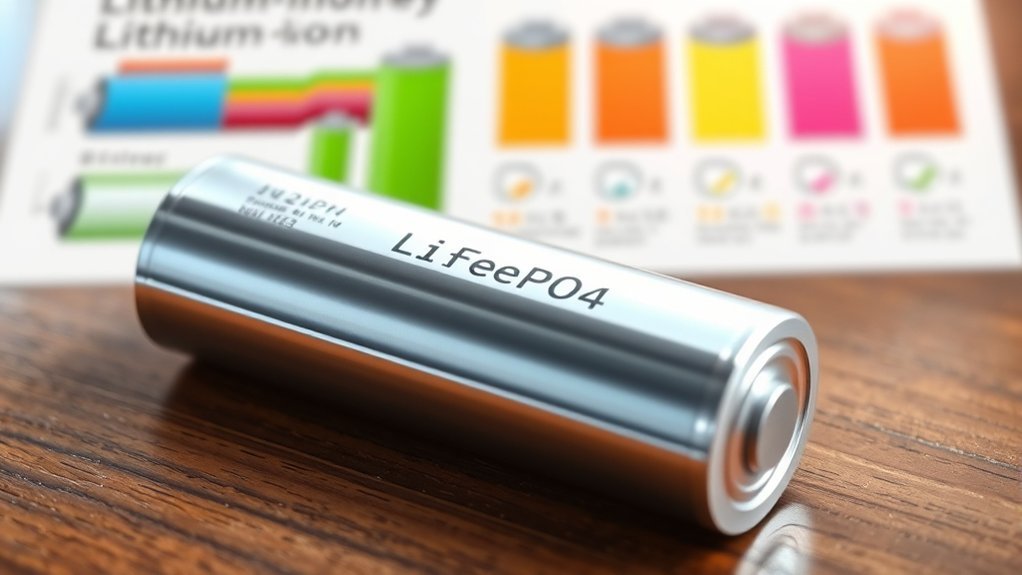
When comparing LiFePO4 batteries to other lithium-ion chemistries, energy density is a key factor, with LiFePO4 typically offering lower specific energy but superior safety margins. Regarding safety and durability, LiFePO4 cells demonstrate enhanced thermal stability, longer cycle life, and resistance to thermal runaway. These differences notably influence their suitability for various applications, especially where reliability and safety are priorities.
Energy Density Differences
LiFePO4 batteries generally have lower energy densities compared to other lithium-ion chemistries, such as lithium cobalt oxide (LiCoO2) or lithium nickel manganese cobalt oxide (NMC). This means they store less energy per unit volume or weight, which impacts applications requiring high energy capacity. However, their lower energy density contributes to improved stability and longer cycle life. From an environmental perspective, LiFePO4’s chemistry facilitates safer battery recycling processes, reducing toxic waste and environmental impact. Their inherent stability minimizes risks during disposal, making them more eco-friendly overall. While the lower energy density may limit some high-capacity uses, their advantages in safety, longevity, and recyclability make them an increasingly attractive option for sustainable energy storage solutions.
Safety and Durability
LiFePO4 batteries outperform many other lithium-ion chemistries in safety and durability due to their inherently stable chemical structure. Unlike cobalt-based chemistries, LiFePO4’s cathode resists thermal runaway, reducing fire risk and enhancing long-term stability. This stability translates to a longer cycle life, often exceeding 2,000 cycles with minimal capacity loss. Additionally, their chemical composition facilitates safer battery recycling, decreasing environmental impact by enabling more efficient material recovery and reducing hazardous waste. The robust thermal stability also minimizes degradation from overcharging or mechanical damage, making them suitable for demanding applications. Overall, LiFePO4 batteries offer a safer, more durable solution with a lower environmental footprint, addressing critical concerns around battery longevity, safety protocols, and responsible disposal.
Common Uses and Applications of LiFePO4 Batteries
Have you ever wondered where lithium iron phosphate batteries are most effectively utilized? They’re common in renewable energy storage systems, electric vehicles, and backup power supplies due to their high cycle life, thermal stability, and safety profile. Their durability reduces frequent replacements, supporting sustainable practices like battery recycling, which minimizes environmental impact. In grid storage, LiFePO4 batteries efficiently stabilize power delivery, while in electric vehicles, they offer reliable, long-lasting energy. Their chemical stability also reduces risks of thermal runaway, making them preferable for stationary and mobile applications. As adoption grows, understanding their environmental impact becomes essential, emphasizing the importance of responsible disposal and recycling processes to mitigate waste and promote eco-friendly practices.
What Factors Should You Consider When Buying a LiFePO4 Battery?
When selecting a LiFePO4 battery, evaluating several critical factors that influence performance, safety, and longevity is essential. Key considerations include capacity, cycle life, and discharge rate, which determine suitability for specific applications. Additionally, the manufacturing processes impact quality consistency and safety standards, while a focus on battery recycling guarantees environmental responsibility. Properly evaluating these factors can prevent premature failure and optimize operational efficiency.
| Factor | Description | Impact |
|---|---|---|
| Capacity | Total energy storage in amp-hours (Ah) | Affects runtime and power availability |
| Cycle Life | Number of complete charge/discharge cycles | Indicates longevity and durability |
| Manufacturing Processes | Quality control, safety standards, materials used | Ensures reliability and safety |
| Battery Recycling | Environmental impact and disposal methods | Sustainability and eco-friendliness |
| Discharge Rate | Maximum current output without damage | Performance under load |
How to Maintain and Extend the Life of Your LiFePO4 Battery
Proper maintenance is essential to maximize the lifespan and performance of your LiFePO4 battery, as improper handling can lead to capacity loss or premature failure. To extend its life, avoid deep discharges below 20% and keep the battery within a recommended voltage range, typically 2.5 to 3.65 volts per cell. Regularly monitor temperature—high heat accelerates degradation, while cold temperatures can reduce efficiency. Implement proper charging protocols using compatible chargers to prevent overcharging or undercharging. Additionally, promote sustainable practices by participating in battery recycling programs, reducing environmental impact. Proper disposal guarantees hazardous materials don’t pollute ecosystems, and recycling materials conserves resources. By adhering to these maintenance strategies, we can maximize the operational lifespan of our LiFePO4 batteries while supporting environmental sustainability.
Are LiFePO4 Batteries Safe? Safety Features and Precautions
LiFePO4 batteries are widely regarded as one of the safest lithium-ion chemistries due to their inherent chemical stability and robust safety features. Their thermal stability minimizes the risk of thermal runaway, even under extreme conditions. Safety features include built-in current interrupt devices, venting mechanisms, and temperature sensors that prevent overcharging and overheating. Precautions involve proper management of charge cycles and avoiding physical damage, which could compromise safety. Additionally, considering battery recycling reduces environmental impact, preventing hazardous waste buildup.
| Feature | Benefit |
|---|---|
| Thermal stability | Reduces fire risk during misuse or damage |
| Built-in safety mechanisms | Prevents overcharge, overcurrent, and overheating |
| Safe disposal & recycling | Minimizes environmental impact |
Cost and Budgeting: Are LiFePO4 Batteries Worth the Investment?
Although the initial investment in LiFePO4 batteries is higher than traditional lead-acid options, their long-term cost-effectiveness arises from superior cycle life, lower maintenance costs, and enhanced energy efficiency. A detailed cost analysis reveals that, despite higher upfront expenses, LiFePO4 batteries reduce replacement frequency and operational costs over time. Market trends indicate increasing adoption due to declining prices driven by technological advancements and expanded production capacity. These batteries maintain more consistent voltage output and have higher charge retention, further improving overall system efficiency. When evaluating budgeting strategies, factoring in the total cost of ownership—considering lifespan, maintenance, and energy savings—demonstrates that LiFePO4 batteries offer a compelling economic advantage, making them a prudent investment for long-term energy storage solutions.
Future Trends and Innovations in LiFePO4 Battery Technology
Advancements in material science and manufacturing processes are driving rapid innovation in LiFePO4 battery technology, promising to further enhance performance and cost-efficiency. Emerging trends include integrating wireless charging capabilities, which eliminate physical connectors and enable seamless energy transfer, reducing wear and maintenance. Additionally, research into recycling methods is critical for sustainability, focusing on efficient recovery of lithium, iron, and phosphate materials to minimize environmental impact. Innovations in electrode design and separator materials are also improving cycle life and thermal stability. As these developments mature, we can expect increased adoption in diverse sectors, from electric vehicles to grid storage, with smarter, more sustainable solutions that leverage wireless charging and advanced recycling techniques to address future energy demands more responsibly.
Frequently Asked Questions
How Long Do Lifepo4 Batteries Typically Last Under Normal Use?
Lifepo4 batteries typically last 2,000 to 5,000 charge cycles, maintaining about 80% capacity. Under normal use, this translates to roughly 8-10 years, depending on usage frequency, temperature, and maintenance.
Can Lifepo4 Batteries Be Recycled or Reused After Their Lifespan?
Lifepo4 batteries can often be recycled through specialized battery recycling processes, recovering valuable materials. Their reuse potential is limited but possible with proper refurbishment, emphasizing the importance of advanced battery recycling to minimize environmental impact and extend lifespan.
Are There Specific Charging Requirements for Lifepo4 Batteries?
We follow specific charging protocols for LiFePO4 batteries, ensuring proper voltage and current levels, while adhering to safety precautions like using dedicated chargers and avoiding overcharging, which optimizes lifespan and maintains safe operation.
How Do Temperature Extremes Affect Lifepo4 Battery Performance?
Thermal impact considerably influences Lifepo4 battery performance; extreme temperatures cause capacity loss and degradation. Effective temperature management guarantees ideal operation, preventing overheating or freezing, thereby extending lifespan and maintaining safety and efficiency under temperature extremes.
What Are Common Signs Indicating a Lifepo4 Battery Needs Replacement?
We notice signs like reduced capacity, persistent voltage drops, and increased internal resistance indicating a Lifepo4 battery needs replacement. Regular battery maintenance and strict safety precautions help detect these issues early and guarantee safe handling during replacement.
Conclusion
In summary, LiFePO4 batteries stand at the forefront of sustainable energy solutions, combining safety, durability, and environmental benefits. As we explore further into their technical advantages and applications, it’s clear they’re not just a trend but a essential component of future energy storage. Like a well-engineered circuit, their reliability and performance are rooted in meticulous design and innovation—making them an investment that powers progress while safeguarding our planet.