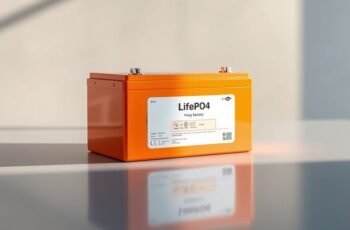
Approximately 90-160 Wh/kg, LiFePO4 batteries offer a practical energy density that makes them increasingly competitive within energy storage solutions. Their unique chemistry provides enhanced safety, thermal stability, and environmental benefits—factors critical for large-scale and portable applications alike. As the demand for reliable, eco-friendly batteries grows, understanding the technical nuances and potential advantages of LiFePO4 technology becomes essential for making informed decisions in various industries. Let’s explore what sets this chemistry apart and why it’s gaining prominence.
Key Takeaways
- LiFePO4 batteries are rechargeable lithium-ion cells with lithium iron phosphate cathodes, known for safety and thermal stability.
- They offer energy densities of 90-160 Wh/kg and a cycle life exceeding 2,000 cycles.
- Their stable chemistry minimizes fire risk and simplifies recycling, supporting environmental sustainability.
- Proper maintenance involves voltage regulation, avoiding deep discharges, and temperature control for longevity.
- Ongoing research aims to enhance energy density, charging speed, and sustainable manufacturing practices.
What Are LiFePO4 Batteries and How Do They Work?
LiFePO4 batteries, also known as lithium iron phosphate batteries, are a type of rechargeable lithium-ion battery distinguished by their cathode composition. They operate through a lithium-ion transfer between the anode and cathode during charge and discharge cycles. Their unique chemistry offers enhanced thermal stability and safety compared to other lithium-ion variants. The manufacturing processes for LiFePO4 batteries emphasize material purity and precise electrode fabrication, which influence overall performance and lifespan. Additionally, their design facilitates efficient battery recycling, allowing for the recovery of valuable materials and minimizing environmental impact. Understanding these core aspects helps clarify how LiFePO4 batteries deliver reliable, long-lasting energy storage solutions while supporting sustainable practices through improved recycling techniques.
Key Features and Technical Specifications of LiFePO4 Batteries
We examine the key features and technical specifications of LiFePO4 batteries, focusing on their energy density, capacity, voltage, and lifespan. These parameters directly influence performance, durability, and safety in various applications. Understanding these specifications helps us assess their advantages and limitations effectively.
Energy Density and Capacity
Among the various performance metrics of LiFePO4 batteries, energy density and capacity are critical indicators of their practical utility. These parameters directly influence the effectiveness of renewable integration and power backup systems, determining how much energy can be stored and delivered efficiently. LiFePO4 batteries offer a moderate energy density compared to other chemistries, typically around 90-160 Wh/kg, enabling substantial capacity within compact form factors. This capacity ensures reliable power supply during grid outages and supports renewable sources like solar or wind by efficiently storing fluctuating energy inputs. Their stable capacity retention over multiple charge cycles enhances long-term power backup reliability. Consequently, understanding these specifications helps optimize system design, guaranteeing maximum performance and longevity in applications requiring dependable energy storage solutions.
Voltage and Lifespan
Voltage stability and lifespan are essential considerations for optimizing the performance of LiFePO4 batteries in practical applications. These batteries maintain a consistent voltage during discharge, enhancing reliability across various systems. Their lifespan typically exceeds 2,000 cycles, supported by stable chemistry and reduced degradation. The following table illustrates key technical features:
| Feature | Specification |
|---|---|
| Nominal Voltage | 3.2 – 3.3 V per cell |
| Cycle Life | 2,000+ cycles |
| Market Impact | Growing demand, aiding market growth |
This longevity supports sustainable practices like battery recycling, which further boosts market growth. The inherent stability of LiFePO4 chemistry ensures consistent performance over time, making them a preferred choice for long-term, environmentally conscious applications.
Safety and Environmental Benefits
What makes LiFePO4 batteries particularly safe and environmentally friendly? Their chemical stability markedly reduces the risk of thermal runaway and fires, ensuring safer operation. Additionally, their non-toxic composition is less harmful during disposal, supporting sustainable practices. The manufacturing processes for LiFePO4 emphasize eco-friendly techniques, minimizing hazardous waste and energy consumption. Battery recycling is streamlined due to the stable chemistry, allowing for efficient recovery of valuable materials like lithium and phosphate, reducing environmental impact. Compared to other lithium-ion chemistries, LiFePO4 batteries generate fewer emissions during production and disposal, underscoring their eco-conscious design. Overall, these features make LiFePO4 batteries a safer, more sustainable choice for both consumers and the environment.
Advantages of Choosing LiFePO4 Batteries Over Traditional Lithium-Ion Batteries

LiFePO4 batteries offer several key advantages over traditional lithium-ion batteries, making them an increasingly preferred choice for various applications. Their more stable chemistry enhances safety, reducing risks of thermal runaway. From an environmental perspective, LiFePO4 batteries are easier to recycle due to the absence of cobalt and nickel, simplifying battery recycling processes and decreasing associated costs. Additionally, manufacturing costs tend to be lower because LiFePO4 cells require less complex production methods and fewer critical materials, which can lead to reduced overall expenses. These factors contribute to longer cycle life and improved reliability, making LiFePO4 batteries a more sustainable and economically viable option. As a result, their adoption is expanding across sectors seeking safer, cost-effective, and environmentally responsible energy storage solutions.
Common Applications and Industries Using LiFePO4 Technology
The safety, cost-effectiveness, and environmental benefits of LiFePO4 batteries have driven their adoption across diverse industries. These batteries are favored in energy storage, electric vehicles, and renewable energy systems due to their stability and long lifecycle. Industries value their lower thermal runaway risk and sustainable features, especially considering battery recycling initiatives that minimize environmental impact. Cost analysis shows that, despite higher initial investments, LiFePO4’s durability reduces replacement frequency, lowering total ownership costs. Their recyclability further enhances economic and ecological advantages. In industrial applications, these factors translate into reliable, efficient energy solutions that meet strict safety standards while supporting sustainability goals. Consequently, LiFePO4 technology continues to expand into sectors prioritizing safety, economy, and environmental responsibility.
How to Properly Care for and Maintain LiFePO4 Batteries
Maintaining ideal charging practices and conducting regular checks are essential to extending LiFePO4 battery lifespan and ensuring consistent performance. Proper charging involves adhering to manufacturer-recommended voltage limits and avoiding deep discharges, which can cause undue stress on the cells. Routine maintenance checks allow us to monitor voltage, temperature, and overall health, identifying potential issues before they compromise the battery’s integrity.
Optimal Charging Practices
Have you ever wondered how to maximize the lifespan and performance of your LiFePO4 batteries? Proper charging practices are vital to achieving this. We recommend maintaining voltage levels within 3.2 to 3.3 volts per cell to prevent overcharging, which can compromise battery integrity. Implementing charging safety protocols, such as using compatible chargers and avoiding extreme temperatures, minimizes risks of thermal runaway or damage. Consistent monitoring during charging cycles guarantees peak performance and prolongs lifespan. Additionally, responsible battery recycling is necessary at end-of-life to prevent environmental harm and recover valuable materials. By adhering to these charging practices, users can extend battery longevity, ensure safety, and contribute to sustainable management of LiFePO4 technology.
Regular Maintenance Checks
Regular maintenance checks play a vital role in preserving the performance and longevity of LiFePO4 batteries. Systematic inspections help identify potential issues early, such as voltage imbalances or thermal irregularities, which could compromise battery integrity. Proper care extends beyond usage, involving awareness of manufacturing processes that influence cell quality and consistency. We also consider battery recycling protocols to guarantee environmentally responsible disposal, minimizing ecological impact. Keeping tabs on electrolyte health and contact connections prevents degradation over time. Consistent maintenance supports peak performance, reduces the risk of failures, and ensures adherence to safety standards. By understanding the manufacturing influences and implementing regular checks, users can maximize lifespan while aligning with sustainable practices that promote responsible battery management.
Comparing Lifepo4 With Other Battery Chemistries: Which Is Right for You?
When evaluating battery options for energy storage, understanding the key differences between LiFePO4 and other chemistries is essential. LiFePO4 batteries offer advantages like enhanced thermal management, reducing overheating risks, and longer cycle life compared to lead-acid or nickel-based systems. They are also more environmentally friendly, with easier battery recycling processes due to stable chemistry. In contrast, other chemistries may require more complex thermal management systems to prevent thermal runaway, especially in high-demand applications. While lithium-ion variants may deliver higher energy density, they often pose challenges in battery recycling and safety concerns. Choosing the right chemistry hinges on balancing thermal stability, environmental considerations, and lifecycle costs, making LiFePO4 a compelling option for sustainable, safe energy storage.
Factors to Consider When Selecting a LiFePO4 Battery System
Selecting the appropriate LiFePO4 battery system requires a methodical assessment of several technical and operational factors. First, we evaluate capacity, cycle life, and charging parameters to verify it meets operational demands. Cost comparison is vital; initial investment versus long-term savings from durability impacts decision-making. Additionally, considering battery recycling options influences sustainability and disposal costs, as LiFePO4 batteries are more environmentally friendly and easier to recycle than other chemistries. Safety features, thermal management, and warranty coverage also factor into the selection process, minimizing operational risks. By analyzing these elements systematically, we guarantee a balanced choice that optimizes performance, cost-efficiency, and environmental responsibility, aligning with both technical requirements and future sustainability considerations.
The Environmental Benefits of LiFePO4 Batteries
LiFePO4 batteries offer notable environmental advantages primarily due to their chemical stability and longer lifespan, reducing waste and resource consumption over time. Their stable chemistry minimizes the risk of thermal runaway, making them safer and more environmentally friendly during operation and disposal. Additionally, the durability of LiFePO4 cells means fewer replacements, decreasing the frequency of manufacturing processes and associated emissions. Recycling programs tailored for LiFePO4 batteries are increasingly effective, enabling recovery of valuable materials like lithium and phosphorus, which minimizes raw material extraction. The manufacturing processes for these batteries are also optimized for lower environmental impact, utilizing less hazardous chemicals and energy-efficient techniques. Collectively, these factors underscore LiFePO4 batteries’ role in promoting sustainable energy solutions with reduced ecological footprints.
Future Trends and Innovations in LiFePO4 Battery Technology
Advancements in materials science and engineering are driving significant innovations in LiFePO4 battery technology, with a focus on enhancing energy density, charging speed, and cycle life. Emerging research targets optimizing electrode formulations and electrolyte stability, which directly impact performance metrics. Future developments emphasize sustainable practices, particularly improved battery recycling methods to reduce environmental impact and recover valuable materials efficiently. Additionally, extensive cost analysis is guiding the integration of novel manufacturing processes and raw material sourcing strategies to lower production expenses. These innovations aim to make LiFePO4 batteries more competitive in energy storage markets, balancing technical enhancements with economic feasibility. As these trends progress, we anticipate more durable, eco-friendly, and cost-effective solutions that will solidify LiFePO4’s role in future energy systems.
Frequently Asked Questions
What Is the Typical Lifespan of a Lifepo4 Battery?
We find Lifepo4 batteries typically last 8-10 years, maintaining about 80% capacity. Proper charger compatibility and avoiding overcharge are critical for maximizing lifespan, ensuring consistent performance and preserving battery capacity over time.
Are Lifepo4 Batteries Safe for Residential Use?
We believe LiFePO4 batteries are safe for residential use due to their stable battery chemistry and low thermal runaway risk. Although their energy density is moderate, they provide reliable, safe energy storage suitable for home applications.
How Do Temperature Extremes Affect Lifepo4 Performance?
They say “a stitch in time saves nine,” and maintaining temperature stability is vital for Lifepo4 batteries; extreme temperatures cause performance degradation, reducing efficiency and lifespan. Proper thermal management is essential to optimize performance and prevent damage.
Can Lifepo4 Batteries Be Recycled Easily?
Yes, Lifepo4 batteries can be recycled through established processes that recover valuable materials, reducing environmental impact. These recycling processes are efficient and help mitigate hazardous waste, promoting sustainability and resource conservation in battery management.
What Is the Cost Comparison Between Lifepo4 and Other Battery Types?
We find that economic analysis shows Lifepo4 batteries are initially pricier than lead-acid but become cost-effective over time due to longer lifespan and stability; market trends favor their adoption despite higher upfront costs, driven by technological advancements.
Conclusion
As we navigate the evolving landscape of energy storage, LiFePO4 batteries stand out as a resilient beacon—combining safety, longevity, and sustainability. Their robust chemistry acts as a steadfast engine powering renewable energy, electric vehicles, and beyond. By embracing this technology, we’re not just choosing a battery; we’re investing in a cleaner, more reliable future. Together, we can harness these innovations to turn today’s energy challenges into tomorrow’s opportunities.