As the saying goes, “the proof is in the pudding,” and when comparing LiFePO4 and lead-acid batteries, the decision hinges on a detailed analysis of their technical merits. We recognize that choosing the right energy storage solution involves weighing factors like longevity, safety, cost, and performance. Exploring these aspects reveals that LiFePO4 batteries often outperform traditional lead-acid options, but the full picture depends on your specific needs and priorities—something worth examining carefully.
Key Takeaways
- LiFePO4 batteries have a longer lifespan, typically lasting over 8-10 years compared to 3-5 years for lead-acid batteries.
- They are lighter, more compact, and offer better space efficiency and portability.
- LiFePO4 batteries charge faster and maintain consistent performance across a wider temperature range.
- They are safer, with reduced risk of thermal runaway, leaks, and lower toxic material content.
- Despite higher initial costs, their durability and low maintenance make them more cost-effective long-term.
What Are the Main Differences Between LiFePO4 and Lead-Acid Batteries?
While both LiFePO4 (lithium iron phosphate) and lead-acid batteries serve as reliable energy storage solutions, they differ markedly in design, chemistry, and performance characteristics. LiFePO4 batteries utilize a lithium-based chemistry that offers higher energy density and longer cycle life, while lead-acid batteries rely on lead plates submerged in sulfuric acid. From an environmental perspective, LiFePO4 batteries are more sustainable due to their longer lifespan and easier battery recycling processes, reducing waste and hazardous materials. Lead-acid batteries, however, pose greater environmental impact because of toxic lead and acid components, which require careful disposal. These fundamental differences influence not only performance but also the environmental footprint, making LiFePO4 batteries a more eco-friendly choice for long-term energy solutions.
Why Do LiFePO4 Batteries Last Longer Than Lead-Acid Batteries?
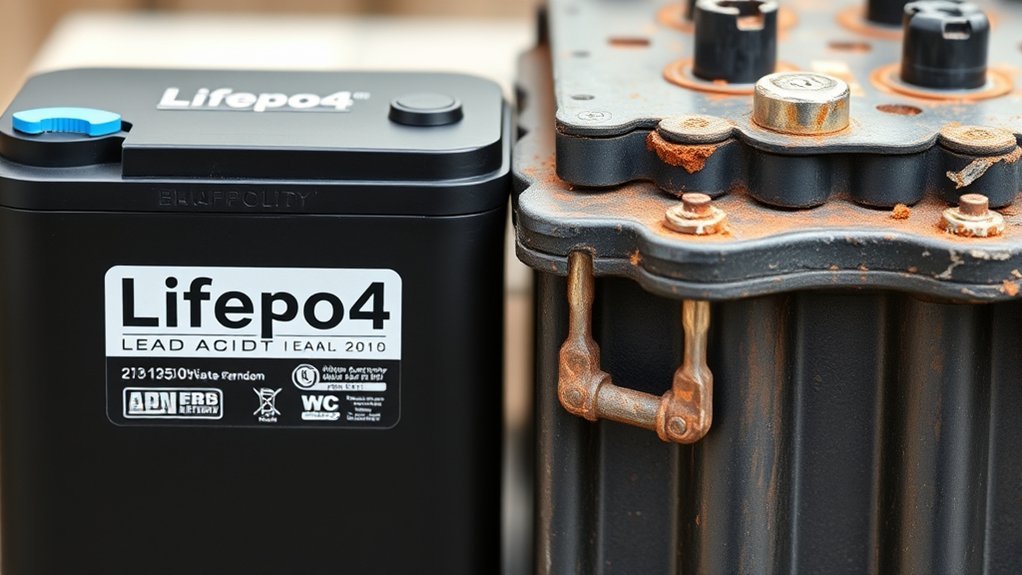
LiFePO4 batteries outperform lead-acid counterparts primarily due to their advanced chemistries and design features that promote longevity. Their stable phosphate chemistry resists thermal degradation and capacity fade over extensive charge cycles, often exceeding 2,000 cycles compared to 500–1,000 for lead-acid. This durability reduces the frequency of replacements, minimizing waste and supporting more sustainable battery recycling practices. Additionally, LiFePO4’s longer lifespan lowers their environmental impact by decreasing the disposal burden and associated hazards. The chemical stability also enhances safety and reduces the risk of leaks and corrosion, further extending service life. Overall, these factors contribute to a more efficient, environmentally friendly energy storage solution that outlasts lead-acid batteries in both performance and environmental sustainability.
How Do Weigh and Size Compare for LiFePO4 and Lead-Acid Batteries?
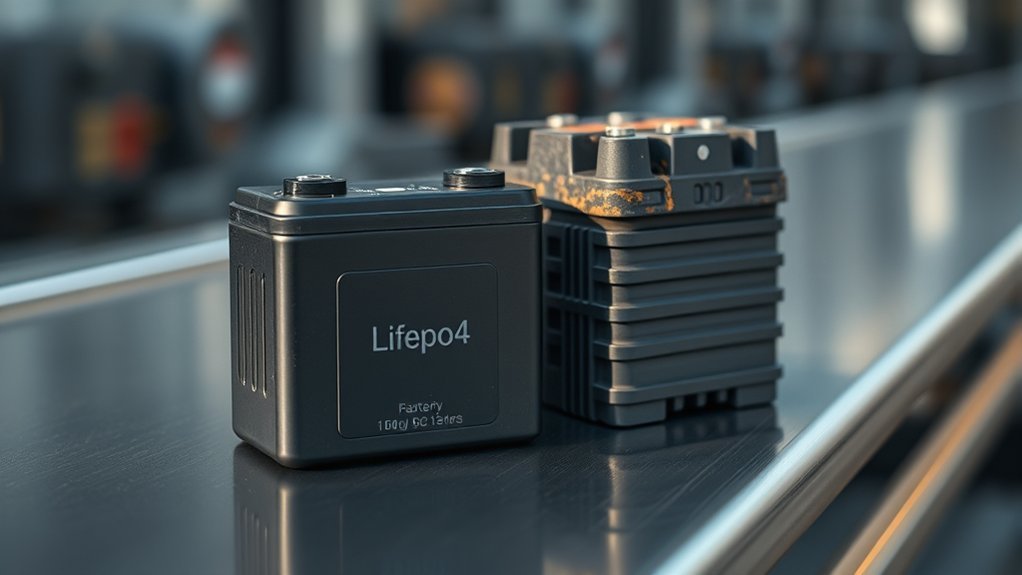
When comparing LiFePO4 and lead-acid batteries, weight differences considerably influence overall system design and mobility. Size variations impact installation flexibility and spatial constraints, while portability and space efficiency determine suitability for various applications. Analyzing these factors allows us to assess practical advantages in real-world contexts.
Weight Differences and Impact
Because weight and size substantially influence battery performance and application, understanding their differences is essential. LiFePO4 batteries are particularly lighter and more compact than lead-acid counterparts, which enhances portability and efficiency in space-constrained systems. This reduced weight also impacts battery recycling processes, making disposal and material recovery more manageable. Conversely, heavier lead-acid batteries demand more structural support and generate a larger environmental footprint during manufacturing and recycling. The environmental impact of these weight differences extends beyond logistics, affecting resource consumption and waste management. Lighter, smaller LiFePO4 batteries contribute to a more sustainable lifecycle, minimizing environmental harm. These factors highlight the importance of weight considerations in evaluating the overall environmental impact and long-term viability of battery technologies.
Size Variations and Flexibility
While both LiFePO4 and lead-acid batteries vary considerably in size, their flexibility in application depends on their physical dimensions and form factors. Battery chemistries influence these variations; LiFePO4 cells are typically more compact and modular, enabling custom configurations for diverse needs. Lead-acid batteries, especially flooded types, tend to be larger and heavier, limiting design flexibility. The size differences impact installation and integration, with LiFePO4’s smaller footprint offering more adaptable solutions. Additionally, recycling processes differ between chemistries—LiFePO4 batteries are easier to recycle due to fewer hazardous materials, whereas lead-acid batteries require more extensive handling. These size and recyclability factors substantially shape their suitability for specific applications, emphasizing the importance of physical dimensions in choosing the appropriate battery chemistry.
Portability and Space Efficiency
LiFePO4 batteries generally outperform lead-acid batteries regarding portability and space efficiency due to their lower weight and compact design. This reduced weight improves ease of handling and installation, especially in constrained spaces. Their smaller size allows for more flexible configurations, optimizing space utilization in portable applications. Additionally, LiFePO4 batteries contribute to a lower environmental impact through enhanced battery recycling processes, which mitigate waste and reduce ecological risks. In contrast, lead-acid batteries are bulkier and heavier, limiting portability and increasing logistical challenges. The compact form factor of LiFePO4 also minimizes the physical footprint, enabling more efficient storage and transport. Overall, these advantages underscore LiFePO4’s superior space efficiency and environmental sustainability in portable energy solutions.
Are LiFePO4 Batteries Safer to Use Than Lead-Acid Batteries?
LiFePO4 batteries are generally regarded as safer than lead-acid batteries due to their chemical stability and lower risk of thermal runaway. The stable lithium iron phosphate chemistry minimizes the chances of overheating and fires, making them inherently safer for various applications. Additionally, their design reduces the risk of acid leaks, which can cause corrosive damage and environmental hazards. From a safety perspective, LiFePO4 batteries are also advantageous in terms of battery recycling, as they contain less toxic materials compared to lead-acid counterparts, reducing environmental impact. This chemical stability not only enhances user safety but also supports more sustainable disposal and recycling processes, further lowering their environmental footprint. Overall, LiFePO4 batteries offer a safer, more environmentally conscious option.
What Are the Cost Implications of Choosing LiFePO4 Over Lead-Acid?
Although the initial purchase price of LiFePO4 batteries is higher, their total cost of ownership often favors them over lead-acid batteries due to longer lifespan and reduced maintenance expenses. An economic analysis reveals key factors:
- Lifespan: LiFePO4 batteries typically last 8-10 years, doubling or tripling lead-acid durability.
- Maintenance: They require less frequent checks, replacements, and watering, lowering ongoing operational costs.
- Efficiency: Higher charge/discharge efficiency reduces energy loss, saving money long-term.
- Environmental Impact: Longer-lasting, recyclable LiFePO4 batteries minimize disposal costs and ecological footprint.
How Do Charging and Maintenance Requirements Differ Between the Two?
Charging procedures and speeds differ considerably between Lifepo4 and lead-acid batteries, with Lifepo4 supporting faster, more efficient charging cycles. Maintenance requirements also vary, as Lifepo4 batteries demand less frequent upkeep and exhibit longer lifespans due to reduced degradation. Understanding these distinctions is essential for optimizing performance and ensuring proper care of each battery type.
Charging Procedures and Speed
While both battery types require proper charging protocols to guarantee longevity and performance, their procedures differ considerably. Lifepo4 batteries charge at a steady rate with a consistent voltage, allowing faster recharge times and reduced stress on internal components. Lead acid batteries, on the other hand, demand a multi-stage process (bulk, absorption, float) to prevent overcharging and prolong lifespan.
- Lifepo4 batteries typically reach full charge within 2-4 hours, whereas lead acid batteries may take 8-12 hours.
- Lifepo4’s rapid charging reduces downtime and energy loss, positively impacting environmental impact.
- Proper charging routines influence battery recycling, as Lifepo4’s stable chemistry simplifies recycling processes.
- Strict adherence to charging protocols minimizes degradation, ensuring efficient performance and reducing waste, consequently mitigating environmental effects.
Maintenance and Longevity
Lifepo4 batteries generally require less maintenance over their lifespan compared to lead acid batteries, primarily due to their stable chemistry and fewer susceptibility issues. They do not need water refilling or equalization charges, simplifying upkeep. Longevity is also enhanced, often exceeding 10 years with proper use, which benefits sustainable practices like battery recycling and reduces environmental impact. In contrast, lead acid batteries require regular maintenance to prevent sulfation and capacity loss.
| Maintenance Aspect | Lifepo4 Batteries | Lead Acid Batteries |
|---|---|---|
| Charging | No equalization needed | Regular equalization |
| Maintenance | Minimal, just monitoring | Frequent watering, cleaning |
| Environmental Impact | Lower, longer lifespan | Higher, due to shorter lifespan |
This distinction influences lifecycle management and environmental considerations.
Which Battery Type Performs Better in Extreme Temperatures?
In evaluating battery performance in extreme temperatures, LiFePO4 batteries generally outperform lead-acid counterparts due to their superior chemical stability and thermally resilient design. They maintain consistent performance in high heat and cold, reducing capacity loss and safety risks. Key advantages include:
- Enhanced thermal stability minimizes risks of thermal runaway.
- Broader operating temperature range supports diverse environmental conditions.
- Faster charge acceptance in low temperatures improves usability.
- Environmental impact is lower due to superior battery recycling processes and longer lifespan.
These factors translate to more reliable energy storage in harsh climates, with less environmental footprint. The environmental impact of LiFePO4 batteries is further mitigated by their recyclability, making them an eco-friendlier choice for extreme conditions.
Is It Easy to Switch From Lead-Acid to LiFePO4 Batteries for Your Project?
Switching from lead-acid to LiFePO4 batteries can be a straightforward process, but it requires careful planning to guarantee compatibility and safety. We must assess voltage requirements, battery management systems, and wiring configurations to ensure seamless integration. Moving to LiFePO4 batteries also involves considering environmental impact, as they offer longer lifespans and facilitate easier battery recycling, reducing waste. Compatibility with existing charging systems may necessitate adjustments or new chargers designed for lithium chemistries. Although the switch involves upfront analysis, the operational advantages—such as higher efficiency and improved safety—are significant. Proper planning minimizes risks, guaranteeing a smooth changeover while supporting sustainability goals through responsible battery recycling practices.
Frequently Asked Questions
Can Lifepo4 Batteries Be Recycled More Easily Than Lead-Acid Batteries?
Yes, LiFePO4 batteries are easier to recycle due to improved recycling efficiency and safer battery composition, reducing environmental hazards. We find their design facilitates safer, more streamlined recycling processes compared to traditional lead-acid batteries.
How Do Cycle Life and Depth of Discharge Compare Between the Two Battery Types?
We find Lifepo4 batteries offer a longer cycle life and higher depth of discharge, enhancing overall durability. Their superior battery density and cost efficiency make them ideal for demanding applications, outperforming lead-acid batteries in longevity and sustained performance.
Are There Specific Applications Where Lead-Acid Batteries Still Outperform Lifepo4?
We find lead-acid batteries excel in applications where low initial cost and lighter weight are prioritized, offering better cost efficiency, despite shorter cycle life, making them suitable for less demanding, short-term energy needs.
What Are the Environmental Impacts of Manufacturing Lifepo4 Versus Lead-Acid Batteries?
We find that LiFePO4 batteries generally have a lower environmental impact during manufacturing, owing to safer materials and less toxic waste. Their superior energy density also reduces resource use, enhancing overall battery safety and sustainability compared to lead-acid production.
Do Lifepo4 Batteries Require Special Chargers Compared to Lead-Acid Batteries?
We find that LiFePO4 batteries need specialized chargers for ideal Charger compatibility and to guarantee proper Charging speed, unlike lead-acid batteries, which are more flexible but may risk reduced lifespan or safety if improperly charged.
Conclusion
In our view, moving to LiFePO4 batteries is like upgrading from a steady, flickering lighthouse to a radiant beacon—illuminating efficiency, safety, and sustainability. Their longer lifespan and superior performance serve as guiding stars, steering us toward smarter energy choices. While the initial investment is higher, the enduring reliability and reduced environmental impact make them a worthy beacon for future-focused applications. Embracing LiFePO4 is, ultimately, choosing a brighter, safer horizon for energy storage.