Did you know that LiFePO4 batteries often cost 30-50% more upfront than traditional lead-acid options? While they offer advantages, several factors might make them less appealing, especially for budget-conscious or specific applications. From limited regional availability to compatibility issues and performance drops in cold climates, there are complex considerations to weigh. Understanding these challenges can help determine whether they truly suit your needs or if alternative solutions might be wiser.
Key Takeaways
- Higher initial cost and limited market demand keep LiFePO4 batteries expensive and less accessible.
- Cold temperatures significantly reduce performance and capacity, especially in extreme climates.
- Compatibility issues may arise with existing power systems, requiring careful assessment and specialized equipment.
- Installation and maintenance are more complex, necessitating advanced knowledge and proper charging protocols.
- Environmental benefits may be limited by recycling infrastructure and higher manufacturing energy costs.
The High Upfront Cost of LiFePO4 Batteries
The initial investment required for LiFePO4 batteries is considerably higher than traditional lead-acid options, which can be a substantial barrier for many consumers. When examining the cost comparison, LiFePO4 batteries generally have a higher upfront price due to advanced chemistry and manufacturing processes. Although their longer lifespan and improved performance can offset these initial costs over time, the market demand for these batteries remains relatively limited, keeping prices elevated. This higher purchase price can deter cost-sensitive buyers despite potential long-term savings. We must consider that the higher initial expense reflects current production scales and market demand dynamics. Consequently, while LiFePO4 batteries offer technical advantages, their high upfront cost remains a significant factor influencing purchasing decisions.
Limited Availability and Regional Access Challenges

Limited availability of LiFePO4 batteries often stems from geographic distribution constraints and regional supply chain issues. These factors can restrict access in certain areas due to limited supplier networks and logistical challenges. As a result, acquiring these batteries may require extensive planning and consideration of regional factors.
Geographic Distribution Constraints
Despite the growing popularity of lithium iron phosphate (LiFePO4) batteries, their availability remains uneven across regions, leading to notable access issues. Regional restrictions and import barriers often limit distribution, creating disparities in availability. These constraints hinder timely procurement, especially in areas where import regulations are strict or infrastructure is underdeveloped.
| Region | Restrictions | Access Level |
|---|---|---|
| North America | Moderate import barriers | Fair |
| Europe | Stringent regional restrictions | Limited |
| Asia | Eased import policies | Good |
| Africa | High import tariffs | Very limited |
| South America | Complex import procedures | Restricted |
Such geographic distribution constraints impose additional risks for consumers and industries dependent on reliable battery supplies.
Limited Supplier Networks
Few supply chains for LiFePO4 batteries operate with extensive networks, which considerably restricts their availability across different regions. Supplier limitations often mean that only a limited number of manufacturers produce these batteries, leading to constrained options for consumers and businesses alike. This can result in longer lead times, increased costs, and difficulties securing consistent regional access. The limited supplier network also heightens vulnerability to disruptions, such as geopolitical issues or manufacturing delays, further impacting availability. Consequently, buyers in less-developed or remote areas may find it challenging to source reliable LiFePO4 batteries. These regional access challenges underscore the importance of considering supply chain robustness when evaluating battery options and highlight the potential risks associated with heavily concentrated supplier networks.
Regional Supply Chain Issues
Because regional supply chain issues can substantially impact the availability of LiFePO4 batteries, it’s crucial to understand how these challenges affect access across different areas. Limited regional manufacturing and supply chain disruptions can cause significant delays and shortages. These issues often stem from geopolitical factors, logistical constraints, or raw material shortages, restricting regional access to quality batteries. Variability in regional infrastructure further complicates distribution, making certain areas more vulnerable. To illustrate, consider the following:
| Region | Supply Chain Status |
|---|---|
| North America | Moderate disruptions, some delays |
| Europe | Stable but dependent on imports |
| Asia | Highly localized manufacturing, resilient |
Awareness of these regional differences helps in evaluating potential risks related to battery procurement.
Compatibility Issues With Existing Power Systems
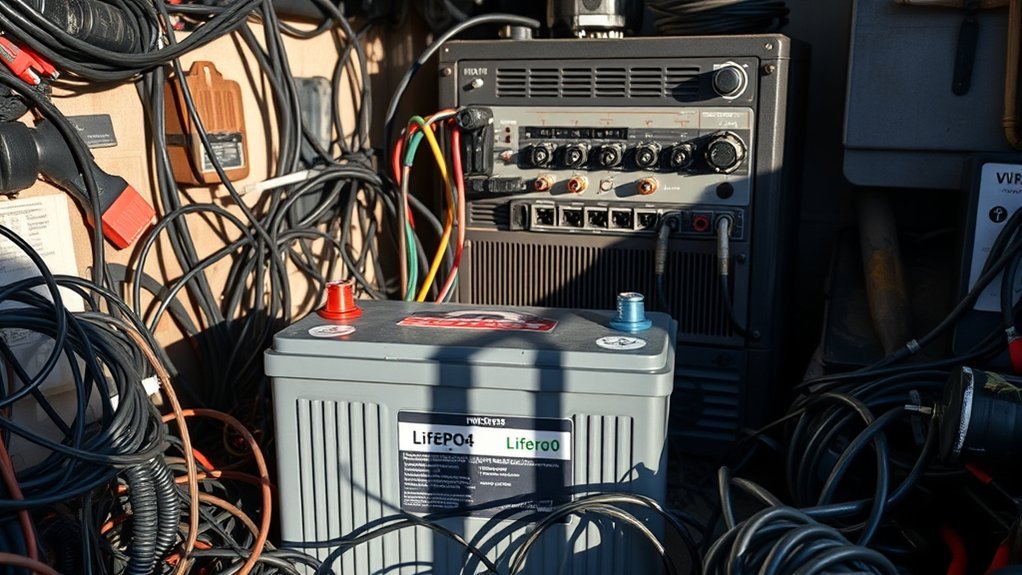
While LiFePO4 batteries offer promising advantages, integrating them with existing power systems can pose considerable compatibility challenges. System integration often requires careful assessment of voltage compatibility, charge/discharge profiles, and management systems. Many current setups are designed around lead-acid or other lithium-ion chemistries, which differ markedly from LiFePO4’s electrical characteristics. Compatibility challenges include mismatched voltage thresholds, inadequate BMS (battery management system) integration, and potential issues with existing inverters or charge controllers not optimized for LiFePO4 chemistry. These factors can lead to system inefficiencies or even damage if not properly addressed. Consequently, thorough compatibility evaluation is essential before considering LiFePO4 batteries for existing power systems, to prevent costly adjustments or failures down the line.
Reduced Performance in Extremely Cold Temperatures
In extremely cold temperatures, Lifepo4 batteries tend to show reduced performance, which can impact their reliability. We observe decreases in capacity, slower charging rates, and increased internal resistance, all of which may hinder effective operation. It’s important to take these factors carefully when evaluating battery performance in cold environments.
Decreased Battery Capacity
Lifepo4 batteries can experience significant reductions in capacity when exposed to extremely cold temperatures. This capacity reduction directly impacts battery longevity, as the usable energy diminishes under such conditions. Cold environments slow the electrochemical reactions within the cells, leading to a steep decline in performance. Consequently, the battery may not deliver its rated capacity, resulting in unexpected power loss. This diminished capacity can cause inconvenience, especially in applications requiring reliable power over extended periods. It’s important to recognize that while Lifepo4 batteries generally offer long-term durability, their performance in low temperatures is compromised, emphasizing the need for careful consideration of operating environments. The capacity reduction in cold conditions underscores a key limitation, potentially shortening the effective lifespan of the battery.
Slower Charging Rates
Have you considered how cold temperatures impact charging efficiency? Lifepo4 batteries tend to experience slower charging rates in extremely cold conditions, which can hinder their practicality. The reduced performance limits the ability to perform fast charging, meaning you’ll need longer periods to fully replenish the battery. This is particularly problematic when rapid depletion occurs during heavy use, as the slower charging speeds can prolong downtime. Cold temperatures increase the internal resistance, making it more difficult for the battery to accept a charge quickly. Consequently, users may face delays and reduced convenience, especially in situations requiring quick turnaround times. While Lifepo4 batteries are known for their stability, in cold environments, their slower charging rates can become a significant drawback.
Increased Internal Resistance
Extreme cold temperatures cause internal resistance within Lifepo4 batteries to increase markedly, which directly impacts their performance. Elevated internal resistance leads to power degradation, as more energy is lost as heat rather than delivered to the load. This resistance rise impairs the battery’s ability to supply consistent current, resulting in reduced efficiency and potential voltage drops. Consequently, in freezing conditions, Lifepo4 batteries may not perform as expected, especially during high-demand periods. While they generally handle moderate cold better than other chemistries, extreme cold still causes noticeable internal resistance increases. This technical limitation warrants caution, as the diminished power output can compromise critical applications. Understanding these temperature-dependent effects is essential when considering Lifepo4 batteries for environments prone to severe cold.
The Need for Specialized Charging Equipment
Why is specialized charging equipment indispensable for LiFePO4 batteries? These batteries require precise management to guarantee safety, longevity, and peak performance. Using generic chargers can lead to improper charging, risking damage or reduced lifespan. Specialized chargers are designed to follow specific charging protocols that match LiFePO4 chemistry, preventing overcharging or undercharging.
Consider these critical points:
- Incorrect chargers can cause irreversible damage, compromising safety.
- Proper charging protocols are crucial to maintaining battery health over time.
- Investment in specialized equipment minimizes the risk of costly failures and replacements.
Adhering to these protocols with dedicated chargers is a cautious approach that helps maximize the value and reliability of LiFePO4 batteries, making the right equipment an essential consideration.
Longer Payback Periods for Some Users
Although LiFePO4 batteries offer long-term savings through their durability and efficiency, some users may experience extended payback periods that affect overall cost-effectiveness. This delay can be especially pronounced for those whose financial stability is sensitive to initial investment costs. Market volatility further complicates this, as fluctuating prices for batteries and related components can extend the time needed to recoup expenses. For users with limited budgets or tight cash flow, the longer payback period might outweigh the benefits of reduced maintenance and higher lifespan. Consequently, careful financial analysis is essential before committing, as the upfront costs may take considerably longer to offset through energy savings, especially in uncertain markets. This cautious approach helps prevent unrealistic expectations and financial strain.
Environmental Benefits May Not Outweigh Costs for All
While Lifepo4 batteries are often promoted for their environmental advantages, these benefits may not always justify the costs for every user. The environmental impact depends on factors like manufacturing, disposal, and the effectiveness of recycling programs. Consider these points:
- The energy used in producing Lifepo4 batteries might offset their cleaner operation during use.
- Recycling infrastructure for lithium iron phosphate batteries is still developing, limiting full environmental recovery.
- The true environmental benefit hinges on widespread adoption of renewable energy sources, which isn’t universal yet.
For some, the ecological gains are appealing; for others, the costs—financial and environmental—may outweigh the benefits, especially when recycling options remain limited or when renewable energy integration is slow.
Complexity and Maintenance Requirements of LiFePO4 Systems
LiFePO4 battery systems can be more complex to install and maintain than traditional lead-acid batteries, requiring careful planning and specific expertise. Proper system integration is critical to guarantee safety and maximum performance, often involving advanced electrical configurations and protective measures. Additionally, users must undergo targeted training to understand battery management systems (BMS) and maintenance protocols, which are essential for longevity and safety. Regular monitoring of voltage, temperature, and state of charge is necessary, adding to the ongoing responsibilities. This increased complexity can lead to higher initial setup costs and a steeper learning curve for users unfamiliar with lithium technology. Without proper understanding and management, the risks of system failures or reduced battery lifespan grow, making maintenance more challenging.
Frequently Asked Questions
Are Lifepo4 Batteries Suitable for All Types of Renewable Energy Systems?
Lifepo4 batteries aren’t suitable for all renewable energy systems; their solar panel compatibility and grid integration can be complex. We advise thorough technical assessment, considering system specifications and potential limitations before integrating them into specific setups.
How Do Lifepo4 Batteries Compare in Lifespan to Traditional Lead-Acid Batteries?
We find LiFePO4 batteries generally last longer, with higher cycle life, despite higher initial costs. Their superior battery capacity and durability make them a more reliable choice over traditional lead-acid batteries, though cost comparison remains critical.
What Safety Concerns Are Associated With Lifepo4 Battery Usage?
We believe that while LiFePO4 batteries are generally safe, thermal instability can cause fire risks if damaged or improperly managed. Cautious handling and proper thermal management are essential for safe usage, despite their inherent stability.
Can Lifepo4 Batteries Be Recycled Easily After End-Of-Life?
We find that LiFePO4 batteries are recyclable, but the process involves recycling challenges due to their chemical composition, which impacts their environmental footprint. Proper facilities are essential, making recycling less straightforward despite their positive environmental potential overall.
Do Lifepo4 Batteries Require Regular Technical Maintenance?
Lifepo4 batteries require minimal maintenance frequency, but occasional technical expertise is advisable for checking cell balance and ensuring peak performance. We recommend cautious handling and professional consultation to prevent potential safety risks or performance degradation.
Conclusion
While LiFePO4 batteries offer advantages, their high initial costs, limited regional availability, and performance issues in cold climates make them less suitable for everyone. With only about 10% market penetration, their adoption remains cautious, especially considering compatibility and maintenance complexities. We recommend thoroughly evaluating your specific needs and environment before investing, as the long-term benefits may not always justify the upfront and ongoing costs for all users.