While no technology is without its nuances, honest Lifepo4 batteries present a compelling case with their safety and longevity. Yet, understanding their true advantages and limitations requires a careful examination of their technical characteristics and real-world performance. As we explore the core aspects of Lifepo4, it becomes clear that making an informed decision depends on weighing these factors against your specific energy requirements and environmental considerations. The key points to evaluate might just influence your next choice.
Key Takeaways
- Lifepo4 batteries offer superior thermal stability and safety compared to other lithium-ion types.
- They have a long lifespan, often exceeding 2,000 charge cycles, ensuring durability.
- Their lower energy density can limit use in space-constrained applications.
- Manufacturing impacts include resource depletion and waste generation, raising environmental concerns.
- They are environmentally friendly and easier to recycle, supporting sustainable disposal.
What Are Lifepo4 Batteries and How Do They Work?
Lifepo4 batteries, a type of lithium-ion battery, are characterized by their use of lithium iron phosphate as the cathode material, which provides enhanced thermal stability and safety. Their working principle involves intercalating lithium ions between the cathode and anode during charge and releasing them during discharge. The manufacturing processes for Lifepo4 batteries emphasize precise control over material synthesis to optimize performance and lifespan. Recycling plays a vital role in sustainable production, enabling the recovery of valuable materials like lithium and iron, reducing environmental impact. This focus on recycling aligns with the economic and ecological benefits of Lifepo4 technology. Overall, their stability and safety, combined with efficient manufacturing and recycling, make Lifepo4 batteries a technically robust choice for various applications.
The Advantages of Using Lifepo4 Batteries
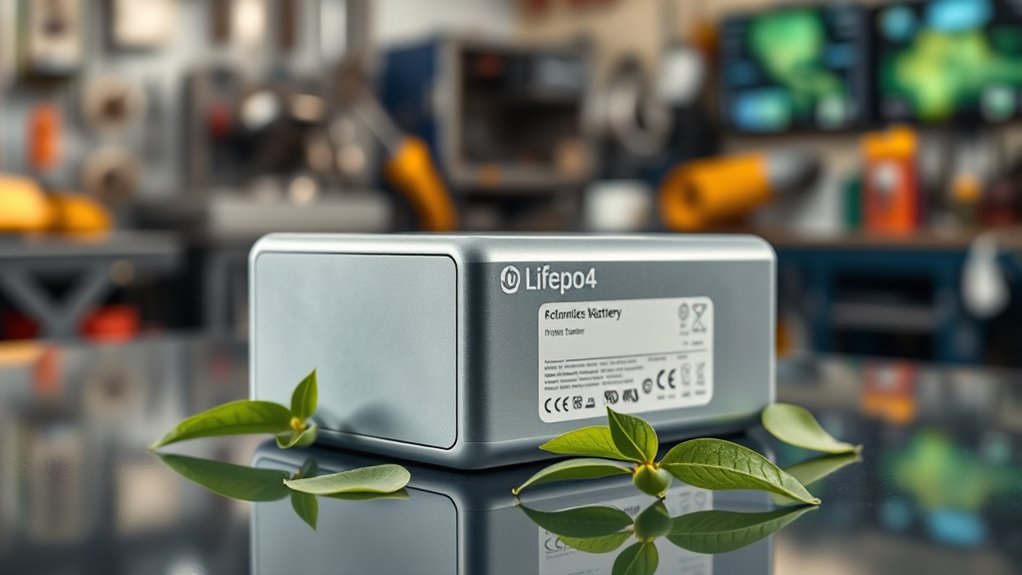
Because of their inherent stability and safety features, Lifepo4 batteries offer significant advantages for diverse applications. Their thermal stability reduces the risk of thermal runaway, making them safer than other lithium-ion chemistries. Additionally, Lifepo4 batteries excel in longevity, often surpassing 2,000 charge cycles, which enhances cost-effectiveness over time. From an environmental perspective, their design facilitates easier battery recycling, minimizing hazardous waste and reducing environmental impact. The stable chemistry also results in less degradation of materials, further supporting sustainable disposal practices. These factors combined make Lifepo4 batteries an attractive choice for energy storage solutions, electric vehicles, and renewable energy systems, balancing performance with safety and environmental responsibility.
The Drawbacks and Limitations of Lifepo4 Technology
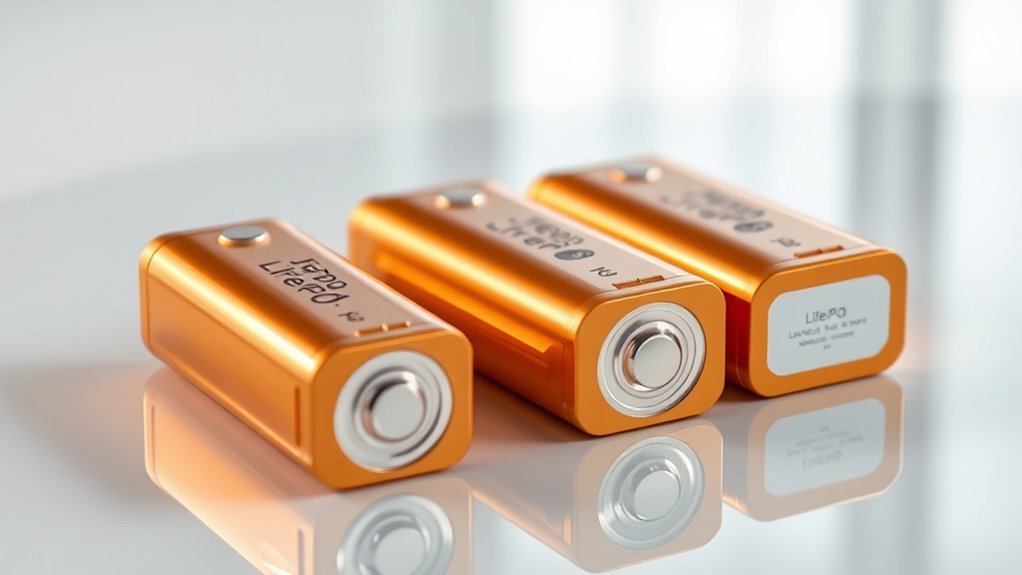
While Lifepo4 batteries offer notable safety and longevity benefits, they also present certain limitations that can impact their suitability for specific applications. Environmental impact remains a concern due to the manufacturing process, which involves sourcing raw materials like lithium, iron, and phosphate, contributing to resource depletion and waste generation. Manufacturing challenges also include ensuring consistent quality control and scaling production efficiently without increasing costs or environmental footprint. Additionally, Lifepo4 cells tend to have lower energy density compared to other chemistries, limiting their use in space-constrained applications. These factors highlight that, despite their advantages, Lifepo4 technology requires careful consideration of environmental and production constraints when evaluating overall sustainability and feasibility for large-scale deployment.
How Lifepo4 Batteries Compare to Other Types of Batteries
When comparing Lifepo4 batteries to other chemistries, it becomes clear that each type offers distinct advantages and limitations depending on the application. Lifepo4 stands out with superior thermal stability and longer cycle life, reducing maintenance needs. However, it has a lower energy density compared to lithium-ion variants, which can impact weight-sensitive uses. In regard to environmental impact, Lifepo4 batteries are more environmentally friendly due to safer chemistry and easier battery recycling processes. They generate fewer toxic byproducts, making disposal less problematic. Conversely, other chemistries like nickel-cadmium pose environmental concerns. The trade-offs highlight that Lifepo4 batteries excel in safety and sustainability, but may fall short in applications demanding maximum energy density or compact size.
Key Factors to Consider Before Purchasing a Lifepo4 Battery
Choosing the right LiFePO4 battery requires careful consideration of several technical and practical factors. Key among these are lifecycle management, cost analysis, and environmental impact, including battery recycling options. Evaluating the total cost involves not just initial purchase price but also long-term maintenance and replacement costs. Additionally, understanding the battery’s cycle life and efficiency is essential for maximum performance. Here’s a quick overview:
| Factor | Consideration | Impact |
|---|---|---|
| Cost analysis | Initial price, lifespan, maintenance | Budget planning, ROI |
| Battery recycling | End-of-life disposal, environmental regulations | Sustainability, compliance |
| Cycle life | Number of charge/discharge cycles before capacity loss | Longevity, reliability |
These factors help ensure informed decisions aligned with both technical needs and environmental responsibilities.
Are Lifepo4 Batteries Right for Your Energy Needs?
Evaluating whether LiFePO4 batteries suit your energy needs requires a detailed analysis of their technical specifications and operational characteristics. These batteries offer high cycle life, thermal stability, and safety, making them suitable for various applications. However, their suitability depends on factors like energy capacity, charging cycles, and environmental considerations. When evaluating long-term viability, consider aspects such as:
- Ease of battery recycling and disposal
- Environmental impact during manufacturing and end-of-life
- Power output stability
- Cost-effectiveness over lifespan
- Compatibility with existing systems
LiFePO4 batteries’ durability and safety profile support sustainable energy solutions, but understanding their environmental footprint and recycling processes is vital to guarantee alignment with ecological goals. This analysis helps determine if they meet your specific energy demands efficiently.
Frequently Asked Questions
How Long Do Lifepo4 Batteries Typically Last Under Normal Use?
Lifepo4 batteries typically last around 5,000 to 7,000 charging cycles, maintaining about 80% capacity. Under normal use, this translates to roughly 10-15 years, depending on depth of discharge and maintenance practices.
Are Lifepo4 Batteries Environmentally Friendly and Recyclable?
We believe LiFePO4 batteries are environmentally friendly because their recycling processes efficiently recover valuable materials, reducing environmental impact. Their long lifespan and non-toxic chemistry further minimize waste, making them a sustainable choice for eco-conscious applications.
What Safety Precautions Should I Take With Lifepo4 Batteries?
We emphasize safety by following strict battery storage protocols, avoiding extreme temperatures, and using proper charging safety procedures, ensuring Lifepo4 batteries operate smoothly like a well-tuned engine, minimizing risks and maximizing lifespan through careful handling.
Can Lifepo4 Batteries Be Used in Extreme Weather Conditions?
Lifepo4 batteries exhibit strong temperature resilience and weather adaptability, enabling safe operation in extreme conditions. However, ideal performance demands proper thermal management, and prolonged exposure to extreme temperatures can compromise battery lifespan and efficiency.
What Maintenance Is Required to Extend Lifepo4 Battery Lifespan?
Like a well-oiled machine, we perform regular maintenance tips such as avoiding deep discharges, monitoring voltage levels, and practicing proper battery recycling. These measures extend Lifepo4 battery lifespan, ensuring peak performance and longevity through technical, analytical care.
Conclusion
In summary, while Lifepo4 batteries offer impressive benefits like over 2,000 cycle life and enhanced safety, they account for roughly 10% of global battery production, highlighting their niche role. Their lower energy density and environmental concerns are important considerations. We recommend carefully analyzing your specific energy requirements and sustainability priorities to determine if Lifepo4 technology aligns with your needs, ensuring you make an informed, strategic choice in energy storage solutions.