Consider an electric vehicle that relies on LiFePO4 batteries for energy storage; their stability and safety are essential for reliable operation. These batteries offer consistent performance and a long cycle life, making them an attractive choice across various applications. However, understanding their full potential and limitations requires a detailed look into their chemistry and usage conditions. As we explore further, you’ll see why they are often considered a safer, more sustainable option in advanced energy systems.
Key Takeaways
- Lithium iron phosphate (LiFePO4) batteries are rechargeable, known for safety, long cycle life, and thermal stability.
- Their stable chemistry reduces risks of thermal runaway and fires, making them safer than other lithium-ion batteries.
- Commonly used in renewable energy storage, electric vehicles, and portable electronics due to their durability.
- They have lower energy density and temperature sensitivity, requiring careful thermal management in demanding applications.
- Proper selection involves evaluating capacity, cycle life, safety features, and environmental impact for optimal performance.
What Are Lifepo4 Batteries and How Do They Work?
LiFePO4 batteries, also known as lithium iron phosphate batteries, are a type of rechargeable lithium-ion battery characterized by their stable chemistry and high thermal stability. Their battery chemistry involves a cathode material composed of lithium iron phosphate, which provides enhanced safety and longevity compared to other lithium chemistries. This stability influences charging procedures, requiring a carefully controlled charge voltage—typically around 3.65V per cell—to prevent overcharging and thermal runaway. Their consistent voltage profile during discharge ensures reliable performance. Proper charging procedures involve using specialized chargers designed for LiFePO4 chemistry, which maintain the correct voltage and current levels. These characteristics enable safer operation, longer cycle life, and minimal capacity fade, making LiFePO4 batteries well-suited for demanding applications with strict safety and stability requirements.
Key Advantages of Using Lifepo4 Batteries
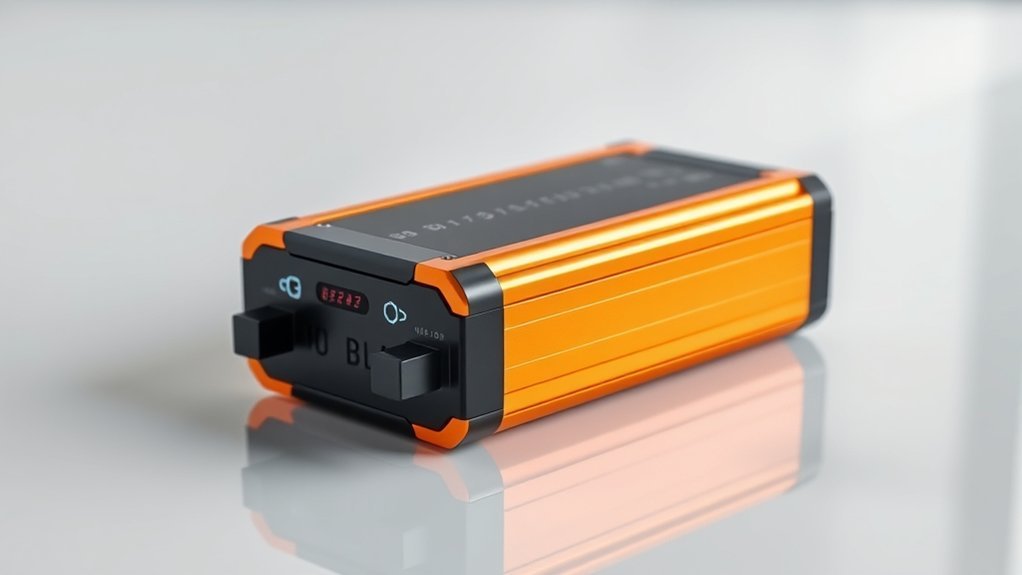
One of the most significant advantages of LiFePO4 batteries is their exceptional safety profile, stemming from their stable chemistry and high thermal stability. This reduces risks of thermal runaway and fires, ensuring reliability in critical applications. When considering cost comparison, LiFePO4 batteries tend to have a higher upfront cost but offer longer cycle life and reduced maintenance expenses, lowering total ownership costs. Environmentally, they have a lower impact due to non-toxic materials and recyclability. The table below highlights these benefits:
| Aspect | Benefit | Impact |
|---|---|---|
| Safety | Stable chemistry reduces hazards | Safer operation |
| Cost Comparison | Higher initial, lower long-term costs | Cost-effective over time |
| Environmental Impact | Eco-friendly materials, recyclability | Reduced ecological footprint |
These factors make LiFePO4 batteries a compelling choice for sustainable, safe energy storage.
Common Applications and Use Cases for Lifepo4 Batteries
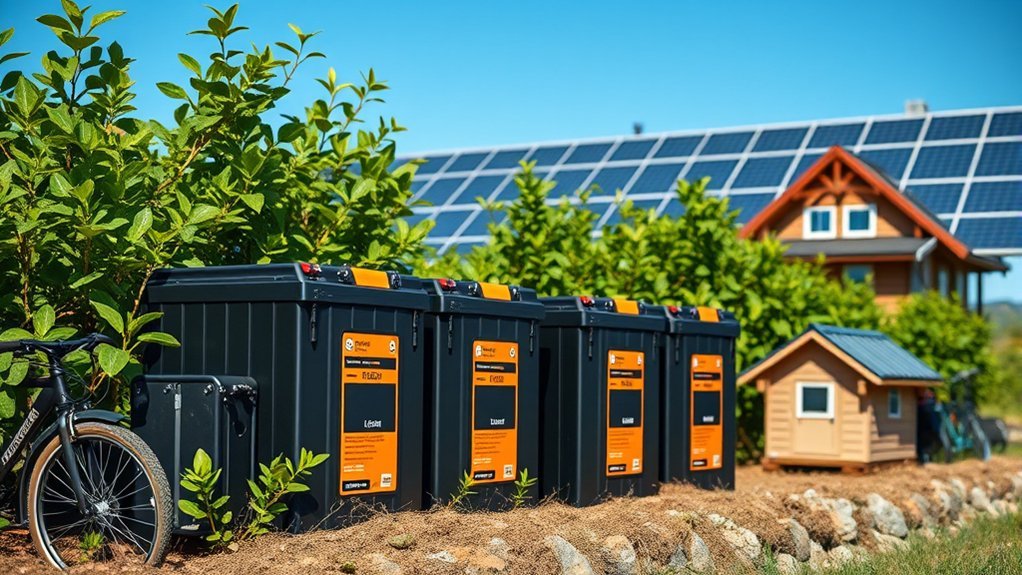
The unique combination of safety, long cycle life, and environmental friendliness makes LiFePO4 batteries well-suited for diverse applications such as renewable energy storage, electric vehicles, and portable electronics. Their stability reduces safety concerns, enabling broader deployment in stationary and mobile systems. Additionally, their extended lifespan minimizes the frequency of battery recycling, lowering environmental impact and resource consumption. This durability supports sustainable practices by decreasing waste and facilitating more effective battery recycling processes. In applications where environmental considerations are critical, LiFePO4’s non-toxic composition offers a significant advantage over other chemistries. Overall, these attributes make LiFePO4 batteries an ideal choice across industries seeking efficient, eco-friendly energy solutions while reducing the ecological footprint associated with battery production, use, and disposal.
Potential Drawbacks and Limitations of Lifepo4 Technology
- Energy density is lower compared to other lithium-ion chemistries, limiting their use in space-constrained applications.
- Voltage stability can be less consistent under high load, impacting performance in demanding systems.
- Temperature sensitivity restricts operation in extreme environments, requiring advanced thermal management.
These factors must be carefully evaluated when considering LiFePO4 technology for specific needs.
How to Choose the Right Lifepo4 Battery for Your Needs
Selecting the appropriate LiFePO4 battery requires careful assessment of your specific application requirements and operational conditions. Key considerations include capacity, voltage, and cycle life, which directly influence performance. Battery safety is paramount; choose batteries with robust thermal management and safety features to prevent overheating or thermal runaway. Additionally, evaluate the environmental impact—LiFePO4 batteries are known for their lower toxicity and longer lifespan, reducing waste and ecological footprint. Consider the depth of discharge and charge rates to optimize durability and efficiency. Analyzing these factors guarantees you select a battery that aligns with your safety standards and sustainability goals while meeting technical demands. Making an informed choice enhances system reliability and minimizes long-term operational risks.
Frequently Asked Questions
How Long Do Lifepo4 Batteries Typically Last Before Replacement?
Lifepo4 batteries typically last 8 to 10 years, with a battery lifespan of around 2,000 to 3,000 charge cycles. The replacement timeline depends on usage, but regular maintenance can extend their operational efficiency and longevity.
Are Lifepo4 Batteries Environmentally Friendly and Recyclable?
They’re eco-friendly, and we believe in the adage, “Reduce, reuse, recycle.” Lifepo4 batteries are recyclable through established methods, supporting sustainable practices and minimizing environmental impact with safe disposal and effective recycling methods.
What Are the Maintenance Requirements for Lifepo4 Batteries?
We follow specific maintenance protocols for LiFePO4 battery chemistry, including adhering to proper charging protocols, avoiding over-discharge, and periodically inspecting terminals to guarantee peak performance and longevity, minimizing degradation and ensuring safety.
How Do Temperature Extremes Affect Lifepo4 Battery Performance?
Sure, extreme temperatures delight Lifepo4 batteries with chaos, disrupting temperature stability and causing performance impacts. We see that high heat accelerates degradation, while cold hampers efficiency, emphasizing the need for ideal thermal management to preserve longevity and safety.
Can Lifepo4 Batteries Be Used in Hybrid or Renewable Energy Systems?
We believe LiFePO4 batteries excel in hybrid and renewable energy systems, supporting solar integration and grid compatibility, due to their stable chemistry, high cycle life, and efficient energy storage, making them ideal for sustainable power solutions.
Conclusion
In summary, understanding LiFePO4 batteries reveals their potential and limitations. They are a reliable choice where safety and longevity matter—truly, a case of “measure twice, cut once.” By carefully evaluating your application’s needs, we can harness their strengths while mitigating drawbacks. With proper selection and management, LiFePO4 batteries can deliver consistent, safe, and efficient power, proving that sometimes, the best solution is the one that balances performance with prudence.