Did you know that LiFePO4 batteries are inherently safer than traditional lithium-ion types due to their thermal stability? While they may have a higher upfront cost, their long-term benefits in durability and safety often outweigh initial expenses. This balance invites a closer look at whether their advantages truly justify the investment, especially as technological improvements continue to reduce costs. So, is choosing LiFePO4 the most practical decision for your energy needs?
Key Takeaways
- LiFePO4 batteries offer a longer lifespan, reducing replacement costs over time.
- They have superior thermal stability, minimizing fire and safety risks.
- Recycling is more environmentally friendly, supporting sustainable energy practices.
- Despite higher initial costs, their durability and fast charging save money long-term.
- They perform reliably in various applications like EVs and renewable energy storage.
How Do LiFePO4 Batteries Work and What Sets Them Apart?
LiFePO4 batteries operate through a lithium-ion electrochemical process, where lithium ions move between the cathode and anode during charge and discharge cycles. The battery chemistry involves a phosphate-based cathode, which enhances thermal stability and safety. Unlike other lithium-ion chemistries, LiFePO4 offers a lower energy density, but this trade-off results in superior longevity and stability. The energy density, while lower compared to lithium cobalt oxide batteries, provides consistent performance over numerous cycles without significant capacity fade. This stability stems from the robust crystal structure of the lithium iron phosphate cathode, which resists thermal runaway and degradation. As a result, these batteries are uniquely suited for applications demanding safety, durability, and predictable performance, making their electrochemical processes distinct within the broader lithium-ion landscape.
What Are the Main Advantages of Using LiFePO4 Batteries?
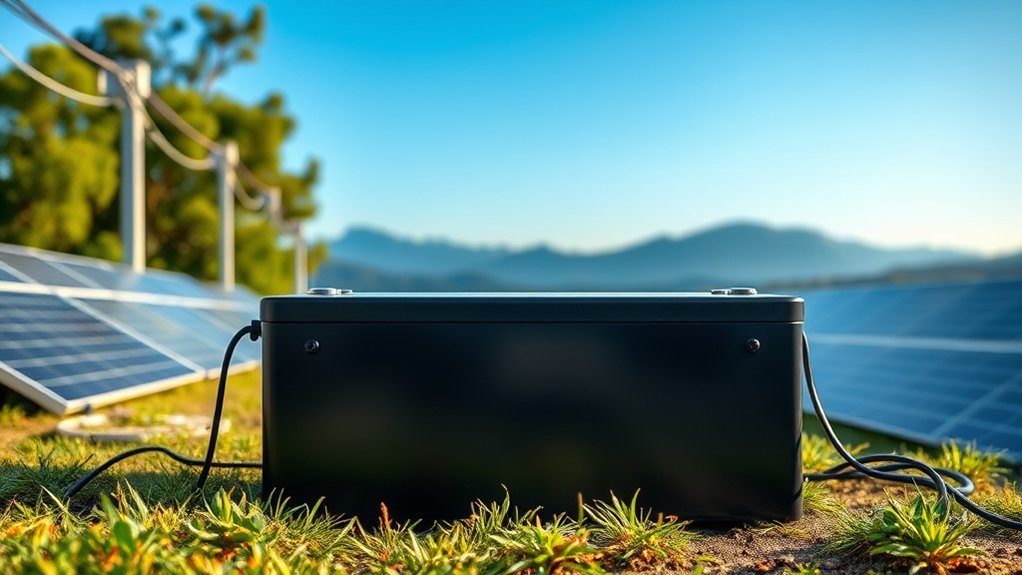
Building on the understanding of their unique electrochemical properties, one of the most compelling reasons to choose LiFePO4 batteries is their impressive safety profile. They are inherently more thermally stable, reducing risks of thermal runaway and fire hazards. Additionally, LiFePO4 batteries exhibit a longer cycle life, which enhances durability and overall cost-effectiveness. Their stable chemistry also facilitates more environmentally friendly battery recycling, minimizing harmful waste. While manufacturing costs can be higher initially due to the specialized materials involved, economies of scale and technological advancements are gradually reducing these expenses. This combination of safety, longevity, and recyclability makes LiFePO4 batteries a strategic choice for sustainable energy storage solutions, balancing performance with environmental considerations.
Are There Any Drawbacks or Limitations to Consider?
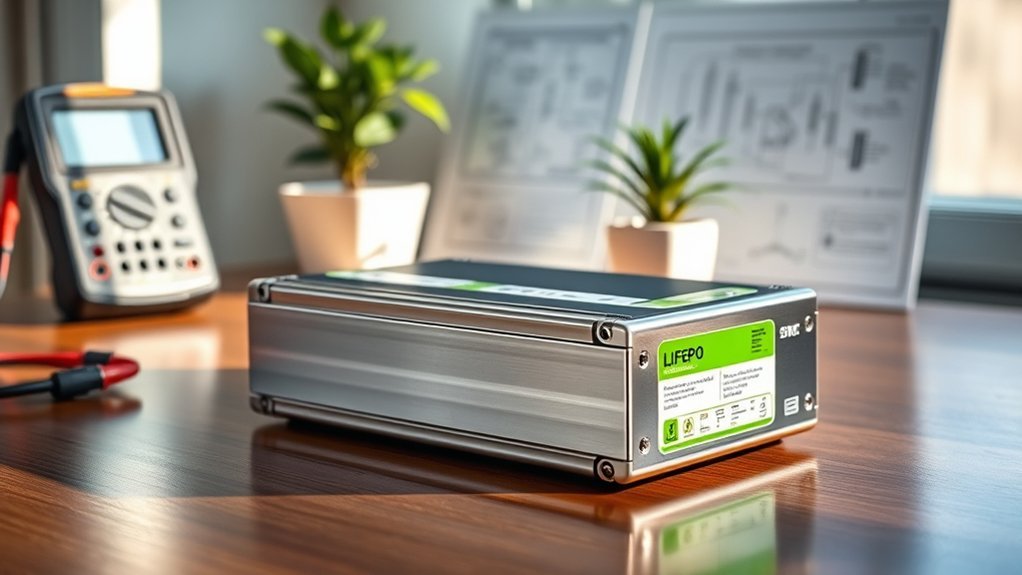
Despite their many advantages, there are notable limitations to contemplate with LiFePO4 batteries. One concern is their environmental impact, particularly related to the sourcing of raw materials and disposal process. The extraction of lithium and other metals can contribute to ecological degradation, raising sustainability questions. Recycling challenges also pose a significant hurdle; current methods for recycling LiFePO4 batteries are complex and not yet widely implemented, leading to potential waste management issues. Additionally, temperature sensitivity can affect performance, especially in extreme conditions, limiting their use in certain environments. These factors underscore the importance of considering both environmental and operational limitations when evaluating LiFePO4 batteries for long-term applications.
How Do LiFePO4 Batteries Compare to Traditional Alternatives?
When comparing LiFePO4 batteries to traditional alternatives such as lead-acid or nickel-based chemistries, their distinct performance characteristics become evident. LiFePO4 offers superior energy density, longer cycle life, and enhanced thermal stability, which contribute to their overall efficiency and safety. Unlike lead-acid batteries, they require less maintenance and have faster charge times. From a manufacturing sustainability perspective, LiFePO4 batteries are more environmentally friendly due to reduced toxic materials and improved battery recycling processes. This makes them not only a technical upgrade but also a more sustainable choice. While traditional batteries face challenges in recycling efficiency, LiFePO4’s design facilitates easier disposal and repurposing, aligning with eco-conscious principles and reducing long-term environmental impact.
Is Investing in a LiFePO4 Battery Cost-Effective in the Long Run?
Although LiFePO4 batteries often come with a higher initial purchase price compared to traditional options, their long-term cost-effectiveness becomes evident through their durability, reduced maintenance requirements, and faster charging capabilities. When conducting a thorough cost analysis, factors like battery longevity greatly impact overall savings. These batteries typically offer thousands of charge cycles, far exceeding lead-acid counterparts, which reduces replacement frequency and disposal costs. Additionally, their stable chemical composition minimizes maintenance and safety concerns. Key points include:
LiFePO4 batteries offer long-term savings through durability, fast charging, and low maintenance despite higher upfront costs.
- Longer lifespan reduces replacement costs over time
- Faster charging cuts down on energy downtime and operational costs
- Lower maintenance requirements decrease ongoing expenses
What Are the Best Use Cases for LiFePO4 Batteries?
LiFePO4 batteries excel in applications requiring high cycle life and thermal stability, making them ideal for renewable energy storage, electric vehicles, and off-grid systems. Their reliable performance under demanding conditions enables efficient energy management and long-term operation. Understanding these use cases helps optimize system design and maximize return on investment.
Renewable Energy Storage
Have you considered how LiFePO4 batteries excel in renewable energy storage due to their high cycle life, thermal stability, and safety profile? These qualities make them ideal for storing energy from solar and wind sources, ensuring reliable power even during low production periods. Their durability reduces replacement frequency, supporting manufacturing sustainability and minimizing waste. Additionally, LiFePO4’s safety reduces risks during thermal runaway, making large-scale storage safer. As battery recycling techniques improve, recycling LiFePO4 cells becomes more feasible, further enhancing environmental benefits. These factors combine to make LiFePO4 batteries a strategic choice for renewable energy systems, providing long-term, sustainable storage solutions that align with ecological and operational goals.
Electric Vehicle Power
When evaluating the ideal use cases for LiFePO4 batteries in electric vehicles, their high cycle life, thermal stability, and safety profile stand out as key advantages. These batteries offer superior battery safety by reducing risks associated with thermal runaway and fires, making them suitable for high-demand applications. Their long lifespan enhances cost-effectiveness over time, especially in fleet or commercial EVs. Additionally, LiFePO4’s environmentally friendly chemistry minimizes toxic waste and reduces environmental impact during manufacturing and disposal. This sustainability factor aligns well with the automotive industry’s shift toward greener solutions. Overall, LiFePO4 batteries excel in applications requiring reliable, safe, and environmentally conscious power sources, making them a strategic choice for electric vehicle power systems focused on safety and sustainability.
Off-Grid Applications
Off-grid applications demand reliable, durable energy storage solutions capable of operating independently from traditional power grids. LiFePO4 batteries excel here due to their high cycle life and safety profile. They are ideal for remote cabins, off-grid solar systems, and emergency backup power, where consistent performance is vital. Solar integration benefits greatly from LiFePO4, as their stable voltage profile enhances system efficiency. Additionally, battery maintenance is minimal compared to other chemistries, reducing operational costs. Proper management guarantees longevity, especially in fluctuating environmental conditions. The robust thermal stability and deep discharge capabilities make LiFePO4 a strategic choice for off-grid setups seeking dependable, long-term energy storage with manageable upkeep.
Frequently Asked Questions
How Long Do Lifepo4 Batteries Typically Last?
Lifepo4 batteries typically last 2,000 to 3,000 usage cycles, translating to roughly 8-10 years, depending on usage and maintenance, with superior battery longevity compared to other lithium chemistries, making them a reliable long-term energy solution.
Are Lifepo4 Batteries Environmentally Friendly?
We find LiFePO4 battery chemistry environmentally friendly due to its reduced toxic materials and longer lifespan, which minimizes waste. Its lower environmental impact makes it a sustainable choice for eco-conscious applications, supporting greener energy solutions.
Can Lifepo4 Batteries Be Recycled?
Coincidentally, Lifepo4 batteries can be recycled through established battery recycling processes, reducing their environmental impact. This promotes sustainable practices, minimizes waste, and guarantees valuable materials are recovered efficiently, making them an environmentally responsible choice overall.
What Maintenance Is Required for Lifepo4 Batteries?
We guarantee longevity of Lifepo4 batteries by following proper charging protocols and maintaining ideal storage conditions, such as keeping them at recommended charge levels and avoiding extreme temperatures, which minimizes capacity loss and enhances overall lifespan.
Are Lifepo4 Batteries Safe to Use Indoors?
Absolutely, Lifepo4 batteries are safe indoors—if you avoid battery overheating and guarantee proper ventilation. Their stable chemistry minimizes risks, but neglecting temperature control could turn your cozy space into a fiery disaster zone.
Conclusion
In conclusion, LiFePO4 batteries present a compelling balance of safety, longevity, and environmental benefits that make them a prudent choice for many applications. While they may require a thoughtful consideration of initial costs and operational conditions, their long-term reliability and sustainability often outweigh these factors. As technological advancements continue, we believe embracing LiFePO4 technology can serve as a strategic move towards more resilient and eco-friendly energy storage solutions, ultimately enriching our approach to sustainable power management.