While many are familiar with lithium-ion batteries, Lithium Iron Phosphate (LiFePO₄) batteries stand out due to their unique chemistry and safety features. Unlike other variants, they offer enhanced thermal stability and longer cycle life, making them a reliable choice for demanding applications. Understanding their composition and operational principles is essential for evaluating their potential. We invite you to explore how these batteries function and why they are increasingly preferred in modern technology.
Key Takeaways
- A rechargeable lithium-ion battery with lithium iron phosphate (LiFePO₄) as its cathode material.
- Operates by moving lithium ions between the cathode and anode during charging and discharging.
- Known for high thermal stability, safety, and long cycle life compared to other lithium-ion chemistries.
- Uses abundant, environmentally friendly materials like iron and phosphate, simplifying recycling.
- Commonly used in electric vehicles, energy storage, and portable power applications due to its safety and durability.
What Are Lifepo4 Batteries and How Do They Work?
Lifepo4 batteries, also known as lithium iron phosphate batteries, are a type of rechargeable lithium-ion battery that utilizes a cathode made of lithium iron phosphate. They operate through the movement of lithium ions between the cathode and anode during charging and discharging cycles. Their thermal stability and chemical properties contribute to a longer lifespan and enhanced safety compared to other lithium-ion chemistries. When considering environmental impact, Lifepo4 batteries are advantageous due to their lower toxicity and ability to be effectively recycled, reducing waste and resource depletion. Battery recycling plays a crucial role in minimizing environmental harm by recovering valuable materials and preventing hazardous disposal. This sustainable approach underscores the importance of Lifepo4 batteries in eco-conscious energy storage solutions.
Key Chemical Composition and Structure of Lifepo4 Cells

The core of Lifepo4 cells comprises lithium, iron, and phosphate, forming a stable chemical structure crucial for performance. This composition results in a crystalline framework that offers remarkable thermal stability and cycle life. Understanding these chemical and structural characteristics is essential to grasping the battery’s reliability and safety.
Lithium, Iron, Phosphate Composition
Because the chemical composition directly influences the performance and stability of the battery, understanding the precise makeup of Lifepo4 cells is vital. These cells consist of lithium, iron, and phosphate, forming an olivine-structured crystal lattice that guarantees thermal stability and longevity. Lithium ions facilitate charge transfer, while iron provides structural integrity and safety. Phosphate acts as a stable host matrix, reducing risks of thermal runaway. The specific ratios of these elements optimize energy density and cycle life. Additionally, the composition impacts environmental considerations; iron and phosphate are abundant, simplifying battery recycling and reducing environmental impact. Proper management of these materials is essential for sustainable use, as efficient recycling processes can recover valuable components, minimize waste, and lessen ecological footprints associated with Lifepo4 battery production and disposal.
Crystal Structure and Stability
The stability of Lifepo4 batteries fundamentally derives from their unique crystal structure, which directly results from their specific chemical composition. The crystal lattice of Lifepo4 adopts an olivine-type structure, characterized by a robust and ordered framework. This lattice configuration ensures high ionic stability, facilitating the smooth migration of lithium ions during charge and discharge cycles. The strong covalent bonds within the phosphate groups contribute to the material’s thermal and structural stability, preventing phase transitions that could compromise performance. Furthermore, the stable crystal lattice minimizes structural degradation over time, enhancing longevity. This combination of a stable crystal structure and ionic stability makes Lifepo4 cells inherently safer and more durable compared to other lithium-ion chemistries.
Advantages of Lifepo4 Batteries Over Other Lithium-Ion Types
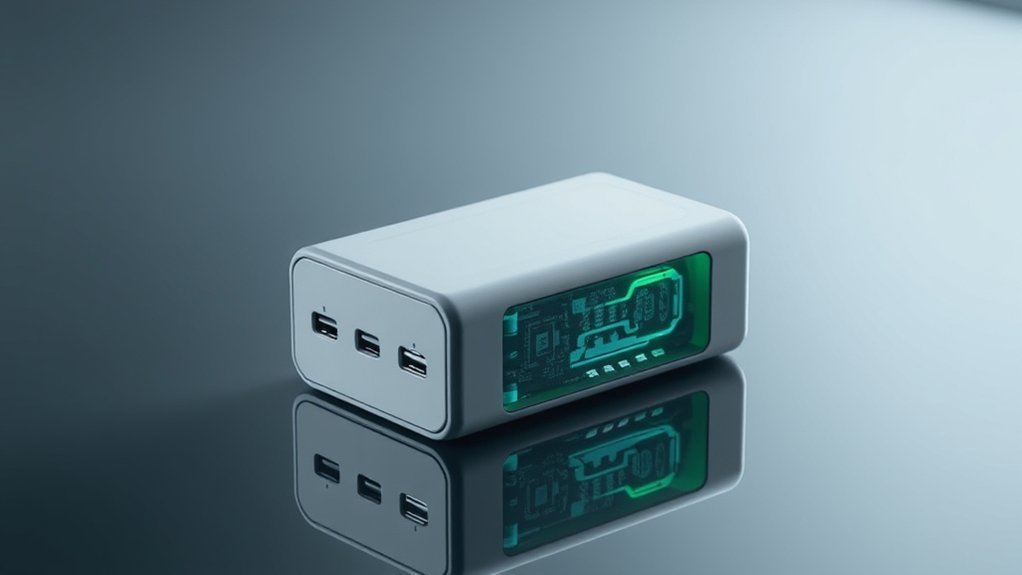
Lifepo4 batteries offer several distinct advantages over other lithium-ion chemistries, making them a preferred choice for many applications. They feature a more stable crystal structure, resulting in enhanced thermal stability and safety. This stability reduces the risk of thermal runaway and extends battery lifespan. Additionally, Lifepo4 batteries facilitate more efficient battery recycling due to the less toxic and more environmentally friendly materials used, lowering their environmental impact. Their longer cycle life also minimizes waste over time, contributing to sustainability. Compared to other lithium-ion types, Lifepo4 batteries exhibit lower degradation rates, making them dependable for long-term use. Overall, these characteristics position Lifepo4 as a safer, more environmentally conscious, and economically advantageous energy storage solution.
Common Applications and Use Cases for Lifepo4 Batteries
Lifepo4 batteries are increasingly popular across a broad spectrum of applications due to their safety, durability, and environmental benefits. They are widely used in electric vehicles, renewable energy storage, portable power systems, and emergency backup solutions. Their stable chemistry minimizes thermal runaway risks, making them ideal for residential and commercial energy systems. Additionally, Lifepo4 batteries support sustainable practices such as battery recycling, reducing environmental impact. Their long cycle life and high efficiency lower lifecycle costs. In critical applications, their reliable performance enhances safety and operational stability. These attributes make Lifepo4 batteries suitable for applications demanding high safety standards, eco-friendliness, and longevity. Their versatility continues to expand as industries prioritize sustainable energy and responsible disposal practices.
Factors to Consider When Choosing a Lifepo4 Battery
When selecting a Lifepo4 battery, it’s vital to evaluate several key factors to guarantee peak performance and safety. These include capacity, cycle life, safety features, environmental impact, and recyclability. A higher capacity ensures longer operation, while a longer cycle life indicates durability. Safety features such as thermal management prevent hazards. Environmental impact considerations involve selecting batteries with minimal ecological footprint and responsible battery recycling options.
| Factor | Consideration |
|---|---|
| Capacity | Match to application energy requirements |
| Cycle Life | Longer lifespan reduces replacement frequency |
| Safety Features | Thermal management and protection systems |
| Environmental Impact | Eco-friendly materials and disposal methods |
| Battery Recycling | Availability of recycling programs |
How Lifepo4 Batteries Are Recharged and Maintained
Proper recharging and maintenance are vital to maximize the lifespan and performance of Lifepo4 batteries. To guarantee ideal operation, we follow specific protocols:
- Use a compatible charger with a controlled voltage and current to prevent overcharging.
- Monitor voltage levels regularly to avoid deep discharge, which can compromise battery health.
- Perform periodic balancing to maintain cell uniformity and prolong lifespan.
- Promote environmentally conscious practices, including responsible battery recycling, to reduce environmental impact.
Consistent maintenance minimizes capacity fade and enhances safety. Proper recharging practices reduce the need for frequent replacements, supporting sustainability efforts. By adhering to these guidelines, we optimize battery efficiency and contribute positively to environmental impact reduction. Proper handling and recycling are vital for sustainable, long-term use of Lifepo4 technology.
Potential Limitations and Challenges of Lifepo4 Technology
We recognize that cost and availability of Lifepo4 batteries can limit widespread adoption, especially in large-scale applications. Additionally, their temperature sensitivity poses challenges for maintaining ideal performance in extreme environments. Addressing these issues is essential for maximizing the technology’s potential.
Cost and Availability
Considering the current market landscape, the cost and availability of LiFePO4 batteries present notable challenges for widespread adoption. Market demand influences production scale, but supply chain constraints and raw material costs limit accessibility. Additionally, the environmental impact of resource extraction affects both cost and sustainability. Key factors include:
- Limited raw material sources increase production costs
- Growing market demand strains supply chains
- High manufacturing expenses hinder price reduction
- Environmental concerns may restrict future resource extraction
These factors contribute to higher initial investments, despite LiFePO4’s long-term benefits. As demand grows, economies of scale could lower costs, but current constraints remain significant barriers. The balance between environmental sustainability and cost efficiency continues to shape the market’s evolution.
Temperature Sensitivity
While the cost and availability of LiFePO4 batteries pose significant barriers to widespread adoption, their performance characteristics are equally influenced by environmental factors such as temperature. Temperature effects directly impact battery lifespan, efficiency, and safety. Elevated temperatures accelerate degradation of the cathode material, risking thermal runaway, while low temperatures reduce electrochemical activity, impairing charge and discharge rates. Effective thermal management systems are essential to maintain ideal operating temperatures, ensuring consistent performance and preventing thermal stress. Without proper temperature regulation, LiFePO4 batteries may experience capacity loss or reduced cycle life. Consequently, understanding and controlling temperature effects through precise thermal management is critical to overcoming these challenges and maximizing the reliability of LiFePO4 technology in diverse applications.
The Future Trends and Innovations in Lifepo4 Battery Development
Advancements in Lifepo4 battery technology are poised to substantially enhance energy density, safety, and cycle life, driven by ongoing research and development efforts. Future innovations focus on optimizing electrode materials, improving battery recycling processes, and reducing environmental impact. These developments aim to extend lifespan and efficiency while minimizing ecological footprint. Key trends include:
- Integration of solid-state electrolytes for enhanced safety and stability
- Adoption of sustainable materials to improve environmental compatibility
- Advanced recycling techniques to recover valuable components efficiently
- Smart battery management systems for real-time performance monitoring
These innovations will help address current limitations, promote sustainable energy storage, and ensure Lifepo4 batteries remain a competitive, environmentally responsible choice.
Frequently Asked Questions
What Is the Typical Lifespan of a Lifepo4 Battery?
We find that Lifepo4 batteries typically last between 2000-5000 charge cycles with proper battery maintenance and correct charging procedures, which can equate to 8-10 years of reliable use, depending on usage and environmental conditions.
Are Lifepo4 Batteries Environmentally Friendly and Recyclable?
Like a phoenix rising, Lifepo4 batteries are eco-friendly and recyclable, but debates on their eco-friendliness persist. They pose recycling challenges, yet they generally produce fewer harmful emissions, making them a more sustainable choice in energy storage solutions.
How Do Lifepo4 Batteries Perform in Extreme Temperatures?
Lifepo4 batteries demonstrate good temperature resilience but can suffer performance drops in extreme heat or cold without effective thermal management. Proper thermal regulation guarantees ideal efficiency and safety, especially during rapid charge/discharge cycles in harsh temperature conditions.
What Safety Features Are Built Into Lifepo4 Batteries?
We prioritize safety in Lifepo4 batteries through advanced thermal management systems, preventing overheating, and utilizing stable battery chemistry that reduces risks of thermal runaway, ensuring safer operation under various conditions.
Can Lifepo4 Batteries Be Connected in Series or Parallel?
We can connect Lifepo4 batteries in series or parallel, depending on desired voltage or capacity, but must follow specific charging protocols and consider battery chemistry characteristics to guarantee safety, ideal performance, and longevity.
Conclusion
In conclusion, LiFePO₄ batteries offer unmatched safety, longevity, and environmental benefits, making them ideal for diverse applications. Their thermal stability reduces the risk of overheating, with over 10,000 charge cycles demonstrated in some cases—twice that of other lithium-ion chemistries. As technology advances, we anticipate further improvements in energy density and cost efficiency. These innovations will solidify LiFePO₄’s role as a sustainable, high-performance energy solution for the future.