Coincidentally, despite their relatively recent emergence, Lifepo4 batteries have become a focal point in energy storage discussions due to their unique safety and longevity features. As we examine their chemical stability and environmental benefits, we recognize their potential to transform industries like electric vehicles and renewable energy. However, understanding their full capabilities and limitations requires a closer look at their design and application, which we’ll explore further.
Key Takeaways
- Lifepo4 batteries are lithium-ion batteries with a lithium iron phosphate cathode, offering enhanced safety and thermal stability.
- They have a long cycle life, often exceeding 2,000 charge cycles, and are environmentally friendly due to non-toxic materials.
- Proper recycling is essential to recover valuable materials and prevent environmental hazards.
- Commonly used in electric vehicles, renewable energy storage, and backup power systems for their safety and durability.
- Temperature management is critical, as high temperatures can accelerate degradation and pose safety risks.
What Are Lifepo4 Batteries and How Do They Work?
Lifepo4 batteries, also known as lithium iron phosphate batteries, are a type of rechargeable lithium-ion battery characterized by their use of a lithium iron phosphate cathode. This composition offers enhanced thermal stability and safety. Their electrochemical structure allows for efficient charge and discharge cycles, making them suitable for various applications. Importantly, Lifepo4 batteries have a lower environmental impact due to their non-toxic materials and longer lifespan. This longevity reduces the frequency of battery recycling, minimizing waste and resource consumption. Proper recycling processes are essential to prevent potential environmental hazards and recover valuable materials. Overall, Lifepo4 batteries combine technical performance with eco-friendly considerations, emphasizing their role in sustainable energy storage solutions.
Key Advantages of Lifepo4 Technology Compared to Other Lithium-Ion Batteries
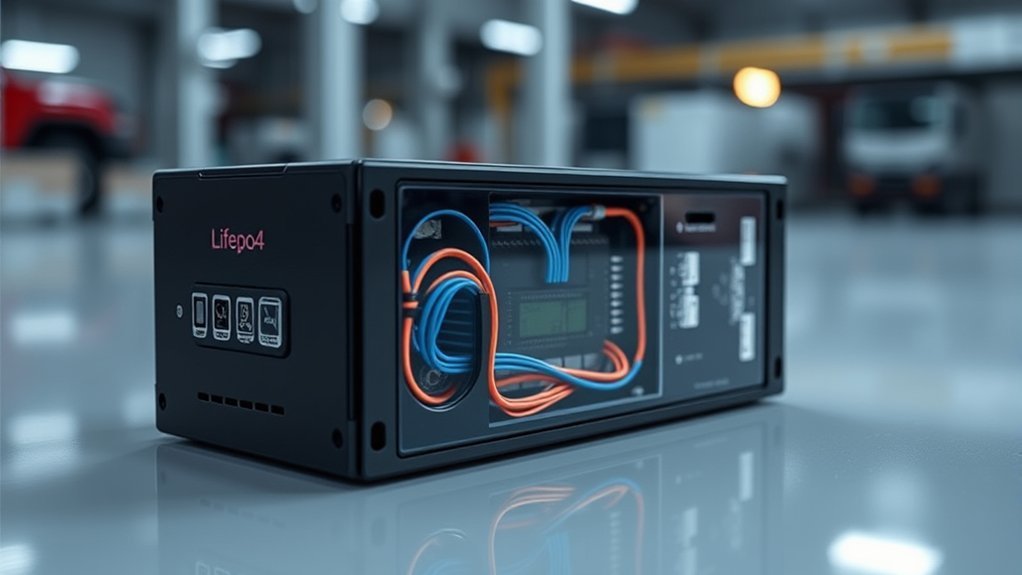
Compared to other lithium-ion battery chemistries, Lifepo4 technology offers several distinct advantages that enhance performance, safety, and longevity. Its stable chemical structure reduces the risk of thermal runaway, making it inherently safer. Lifepo4 batteries also exhibit a longer cycle life, often exceeding 2,000 charge cycles, which minimizes replacement frequency. Additionally, their design facilitates more efficient battery recycling, reducing environmental impact by enabling safer handling of materials. The environmental footprint of Lifepo4 is particularly lower, due to the absence of toxic cobalt and nickel found in other lithium-ion types. These attributes collectively contribute to a more sustainable energy storage solution, emphasizing safety, durability, and responsible end-of-life management. Consequently, Lifepo4 technology aligns well with increasing demands for environmentally conscious and efficient battery systems.
Common Uses of Lifepo4 Batteries in Daily Life and Industry

Due to their high safety standards, long cycle life, and stable chemical composition, Lifepo4 batteries are increasingly integrated into both daily life and industrial applications. They are favored in electric vehicles, renewable energy storage, and portable power systems because of their reliable performance and safety features. In industry, Lifepo4 batteries support grid stabilization and backup power solutions, reducing environmental impact through efficient energy management. Additionally, their recyclability promotes sustainable practices, minimizing waste and facilitating battery recycling processes. This reduces potential environmental hazards associated with battery disposal. The combination of safety, longevity, and environmental considerations makes Lifepo4 batteries an ideal choice for various sectors, fostering more sustainable energy consumption and supporting eco-friendly initiatives across multiple industries.
How Long Do Lifepo4 Batteries Last and What Affects Their Lifespan?
Understanding the lifespan of Lifepo4 batteries requires examining various operational and environmental factors that influence their performance over time. Typically, Lifepo4 batteries last between 2,000 to 5,000 charge cycles, translating to 8-10 years under ideal conditions. Factors such as charge/discharge rates, temperature, and depth of discharge considerably impact longevity. High temperatures accelerate degradation, reducing cycle life, while frequent deep discharges also shorten lifespan. Proper maintenance extends battery life and supports sustainable practices like battery recycling, minimizing environmental impact. Additionally, lifespan considerations influence recycling efforts, reducing waste and preserving resources. By managing operational parameters and environmental exposure, we can maximize Lifepo4 batteries’ durability, ensuring efficient energy storage and minimizing ecological footprint throughout their lifecycle.
Safety Features That Make Lifepo4 Batteries a Reliable Choice
Lifepo4 batteries are recognized not only for their longevity but also for their robust safety features, which contribute to their reliability in various applications. These batteries inherently resist thermal runaway, unlike other lithium-ion chemistries, reducing fire risk. They also incorporate advanced internal protection systems that prevent overcharge, over-discharge, and short circuits. Additionally, Lifepo4 batteries are environmentally friendly, simplifying battery recycling and minimizing environmental impact at end-of-life. These safety features make them suitable for critical applications, from renewable energy storage to electric vehicles. Their design ensures stability under extreme conditions, further enhancing safety. Ultimately, the combination of thermal stability, integrated protection, and eco-conscious design underscores why Lifepo4 batteries are a dependable choice.
Tips for Proper Maintenance and Charging of Lifepo4 Batteries
Proper maintenance and charging practices are vital to maximize the lifespan and performance of Lifepo4 batteries. Consistently adhering to recommended voltage and current limits prevents overcharging and deep discharges, which can degrade cells over time. Regularly monitoring battery voltage and temperature guarantees ideal operation and safety. To extend battery life, minimize the number of full charge-discharge cycles when possible, as excessive cycling accelerates capacity loss. When batteries reach end-of-life, responsible battery recycling is essential to prevent environmental harm and recover valuable materials. Maintaining proper charging routines, including using compatible chargers and avoiding prolonged exposure to extreme temperatures, preserves battery integrity. These practices collectively enhance longevity, efficiency, and sustainability of Lifepo4 batteries.
How to Choose the Right Lifepo4 Battery for Your Needs
To select the appropriate Lifepo4 battery, we must accurately assess the power requirements of the application, including voltage and current demands. Evaluating the expected lifespan guarantees the battery will meet long-term operational needs without premature failure. By aligning specifications with usage patterns, we optimize performance and cost-efficiency.
Determine Power Requirements
Understanding your power requirements is essential when selecting the appropriate Lifepo4 battery. Accurate assessment guarantees ideal performance, minimizes unnecessary capacity, and supports sustainable practices like battery recycling. To determine your needs, consider the total energy consumption of your devices and the required runtime. Key factors include:
- Continuous power draw and surge capacity
- Voltage and capacity specifications aligned with your load
- Future expansion or upgrades to avoid over- or under-sizing
Consider Battery Lifespan
How long your Lifepo4 battery lasts depends primarily on its lifespan, which is determined by factors like cycle life, depth of discharge, and operating conditions. When selecting a battery, consider its cycle life, as higher cycles extend overall longevity and reduce replacement frequency. Depth of discharge impacts longevity; shallow discharges preserve capacity, while deep discharges accelerate wear. Operating conditions, including temperature and load, also influence lifespan. Additionally, choosing batteries with a focus on battery recycling is essential for minimizing environmental impact, ensuring responsible disposal and reuse. A longer lifespan not only enhances performance but also aligns with sustainability goals, reducing waste and environmental footprint. Careful consideration of these factors helps optimize both economic efficiency and ecological responsibility.
Potential Limitations and Challenges of Using Lifepo4 Batteries
We recognize that Lifepo4 batteries can be limited by their higher initial costs and limited availability in some regions. Additionally, their performance is highly affected by temperature fluctuations, especially in extreme cold or heat. Understanding these challenges is essential for optimizing their application and longevity.
Cost and Availability
Is the cost and availability of Lifepo4 batteries a significant barrier to their widespread adoption? While their manufacturing costs have decreased due to technological advancements, initial expenses remain higher than some alternatives. Factors influencing availability include the global supply chain and resource constraints, which can limit large-scale deployment. Additionally, the battery recycling process impacts overall cost, as efficient recycling can reduce raw material demand and lower manufacturing costs. Key considerations include:
- Variability in raw material prices affects production costs and availability.
- Limited recycling infrastructure increases long-term costs.
- Economies of scale are still evolving, influencing affordability for consumers.
These elements collectively shape the economic landscape of Lifepo4 batteries, impacting their competitiveness and adoption rate in various industries.
Temperature Sensitivity
Lifepo4 batteries exhibit notable temperature sensitivity that can pose significant challenges during operation. Temperature effects influence both their performance and lifespan, with high temperatures accelerating degradation and low temperatures reducing capacity. Effective thermal management is essential to maintain ideal operating conditions, preventing overheating or excessive cooling that can impair battery function. Elevated temperatures can lead to thermal runaway if not properly controlled, while cold environments decrease chemical activity, diminishing power output. Designing systems that monitor and regulate temperature is vital for safety and longevity. We must consider these factors during installation and use, ensuring adequate cooling or heating solutions. Addressing temperature sensitivity through precise thermal management safeguards battery efficiency, enhances safety, and prolongs service life.
Future Trends and Innovations in Lifepo4 Battery Technology
Advancements in Lifepo4 battery technology are increasingly focused on enhancing energy density, improving safety features, and reducing manufacturing costs. Future innovations aim to address environmental impact through better battery recycling processes, minimizing waste and resource consumption. Researchers are exploring advanced cathode materials and electrode designs to boost energy storage capacity without compromising safety. Additionally, integrating smart management systems can optimize performance and lifespan.
Key trends include:
- Enhanced battery recycling techniques to reduce environmental footprint
- Development of sustainable materials to lower ecological impact
- Implementation of scalable manufacturing methods to decrease costs
These innovations will make Lifepo4 batteries more efficient, eco-friendly, and economically viable, aligning with global sustainability goals and advancing the technology’s future applications.
Frequently Asked Questions
Are Lifepo4 Batteries Environmentally Friendly and Recyclable?
We believe LiFePO4 batteries are environmentally friendly because they use eco-friendly materials and have efficient recycling processes, reducing waste and toxins. Their recyclability guarantees less environmental impact, making them a sustainable choice for eco-conscious applications.
How Do Lifepo4 Batteries Perform in Extreme Temperatures?
We find that Lifepo4 batteries maintain 80% capacity within -20°C to 60°C, demonstrating impressive thermal resilience and temperature tolerance. This technical robustness guarantees reliable performance in extreme environments, making them suitable for diverse demanding applications.
Can Lifepo4 Batteries Be Used for High-Power Applications?
Yes, Lifepo4 batteries excel in high-power applications due to their high current capabilities and rapid charging features, enabling efficient operation in demanding environments while maintaining safety and longevity, making them ideal for power-intensive uses.
What Are the Common Signs Indicating a Lifepo4 Battery Needs Replacement?
We notice signs like reduced capacity, longer charging times, and increased internal resistance, which indicate the battery’s lifespan is ending. Regular maintenance tips include monitoring voltage, avoiding deep discharges, and ensuring proper temperature to extend battery life.
How Does the Cost of Lifepo4 Batteries Compare to Other Lithium Options?
We find Lifepo4 batteries generally cost more than other lithium options due to their market pricing and safety features. The cost comparison reveals higher initial investments, but they offer longer lifespans and superior thermal stability, optimizing long-term value.
Conclusion
In conclusion, Lifepo4 batteries offer a reliable, safe, and eco-friendly energy solution, proven through their extensive use in electric vehicles and renewable storage. For instance, a solar-powered community successfully transitioned to Lifepo4 technology, reducing fire risks and extending battery life. As innovations continue, we can expect even more efficient and cost-effective options, making sustainable energy storage accessible for everyone. Embracing this technology means investing in a safer, greener future for all.