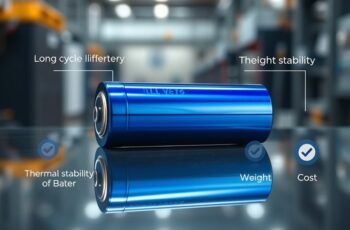
As we explore Lifepo4 batteries, it’s clear they offer notable advantages in safety, longevity, and environmental impact, making them a compelling choice for various applications. However, understanding their operational principles, maintenance needs, and long-term value requires a closer look at their features and how they compare to other technologies. This insight is essential for making informed decisions about energy storage solutions and optimizing performance over time.
Key Takeaways
- Lithium iron phosphate (LiFePO4) batteries support over 2,000 charge cycles with minimal capacity loss, ensuring long-term durability.
- They offer high thermal stability and safety, reducing risks of overheating, thermal runaway, and combustion.
- LiFePO4 batteries are environmentally friendly, easily recyclable, and contain less toxic materials compared to other lithium-ion batteries.
- Their robust chemical structure provides consistent performance, making them suitable for EVs, renewable energy storage, and backup systems.
- Despite higher initial costs, their long lifespan and safety features make LiFePO4 batteries cost-effective over time.
What Are Lifepo4 Batteries and How Do They Work?
Lifepo4 batteries, also known as lithium iron phosphate batteries, are a type of rechargeable lithium-ion battery characterized by their stable chemistry and high thermal stability. Their chemistry allows for extensive charging cycles—typically over 2,000—without significant capacity loss, making them highly durable. This longevity supports efficient battery recycling, as the materials can be recovered and reused multiple times, reducing environmental impact. Unlike other lithium-ion chemistries, Lifepo4’s thermal stability minimizes risks of overheating or thermal runaway during charging, enhancing safety. The stable chemistry guarantees consistent performance over many cycles, which is critical for applications requiring reliable energy storage. Overall, Lifepo4 batteries combine safety, longevity, and recyclability, driven by their robust chemistry and ability to sustain numerous charging cycles.
Key Safety Features of Lifepo4 Batteries

The inherent stability of Lifepo4 batteries’ chemistry directly contributes to their safety profile, making them a preferred choice in various applications. Unlike other lithium-ion chemistries, Lifepo4’s stable crystal structure minimizes risks of thermal runaway and combustion. This robustness is reinforced by strict safety protocols during manufacturing and operation, including venting systems and thermal management. The battery chemistry’s resilience reduces the likelihood of overcharge, over-discharge, or short-circuit hazards. Additionally, Lifepo4 cells exhibit low internal resistance, preventing excessive heat buildup. These safety features collectively enhance reliability, ensuring safe operation even under demanding conditions. Consequently, Lifepo4 batteries are favored for applications where safety is paramount, offering a balanced combination of chemical stability and rigorous safety measures.
Advantages of Using Lifepo4 Batteries Over Other Types

Compared to other lithium-ion chemistries, Lifepo4 batteries offer significant advantages in safety, stability, and longevity that make them a superior choice for many applications. Their robust chemical structure reduces risks of thermal runaway, making them inherently safer. Additionally, Lifepo4’s stable chemistry contributes to a longer cycle life, often exceeding 2000 cycles, which lowers total cost of ownership. The manufacturing processes for Lifepo4 batteries are more environmentally friendly, facilitating easier battery recycling and reducing hazardous waste. These factors collectively enhance sustainability and reduce long-term environmental impact. Moreover, the inherent thermal stability minimizes the need for complex cooling systems, improving system reliability and efficiency. Overall, Lifepo4 batteries’ advantages make them highly suitable for demanding, sustainable, and safe energy storage solutions.
Common Applications of Lifepo4 Batteries
Their safety, stability, and long cycle life make Lifepo4 batteries highly suitable for various applications. In electric vehicles and renewable energy systems, their reliable performance supports efficient energy storage and delivery. They are extensively used in charging stations due to their ability to withstand frequent cycling without significant capacity loss. Additionally, Lifepo4 batteries facilitate sustainable practices through battery recycling, minimizing environmental impact and resource waste. These batteries are also ideal for off-grid power systems, marine applications, and backup power supplies, thanks to their thermal stability and resistance to overcharging. Overall, their combination of safety and durability makes Lifepo4 batteries a preferred choice in sectors demanding longevity, safety, and environmental responsibility.
How Long Do Lifepo4 Batteries Last?
How long do Lifepo4 batteries typically last? Under ideal conditions, they offer 2,000 to 3,000 charge cycles, translating to roughly 8-10 years of reliable service. Their longevity is influenced by factors such as proper battery recycling practices and consistent maintenance of charging speed. Efficient charging at recommended rates minimizes stress on the cells, extending lifespan and reducing capacity fade. Additionally, high-quality materials and balanced cell management improve durability. The battery’s cycle life, combined with stable chemistry, ensures sustained performance over time. Overall, Lifepo4 batteries’ lifespan is rooted in technological resilience, but external factors like thermal management and charging protocols are critical for maximizing their operational life.
Factors That Affect Lifepo4 Battery Performance
Various factors can influence the performance and longevity of Lifepo4 batteries, making it essential to understand how external conditions and usage patterns impact their operation. Manufacturing processes directly affect cell quality, consistency, and overall durability, while subpar production can introduce defects that accelerate capacity fade. Additionally, battery recycling practices influence performance by ensuring proper disposal and reuse, reducing environmental stressors that could degrade battery materials over time. External factors such as temperature fluctuations, charge-discharge cycles, and load demands also play critical roles—excessive heat accelerates chemical degradation, whereas frequent deep discharges strain the battery’s structure. By optimizing manufacturing methods and promoting responsible recycling, we can mitigate performance issues and extend Lifepo4 batteries’ effective lifespan.
How to Properly Maintain and Care for Lifepo4 Batteries
Maintaining Lifepo4 batteries requires adherence to ideal charging protocols to prevent capacity loss and guarantee longevity. Regular inspections allow us to identify potential issues early, while proper storage techniques minimize degradation during periods of inactivity. Addressing these key practices helps sustain battery performance and extends service life.
Optimal Charging Practices
What are the most effective strategies for guaranteeing Lifepo4 batteries remain in ideal condition throughout their lifespan? Proper charging practices are critical, as they optimize battery longevity and performance. Maintaining optimal voltage levels during charging minimizes stress and extends usable charging cycles. Avoiding overcharging and deep discharges safeguards the battery’s internal chemistry, reducing degradation. Regularly monitoring temperature and voltage parameters helps prevent thermal runaway and capacity loss. Additionally, adopting a balanced approach to battery recycling ensures environmentally responsible disposal at end-of-life, preserving resources. These practices collectively support the battery’s health, maximizing lifespan and efficiency.
- Use dedicated chargers with voltage regulation for Lifepo4 chemistry
- Limit charging to 80-90% capacity to reduce stress
- Avoid frequent deep discharges to preserve cycle life
- Manage charging cycles to prevent thermal and electrical stress
Regular Battery Inspections
Regular inspections are essential for guaranteeing Lifepo4 batteries remain in ideal condition over time. Consistent checks help monitor voltage stability, which indicates the battery’s health and performance. We recommend measuring voltage levels periodically to detect potential imbalances or capacity loss early, preventing irreversible damage. During inspections, inspect for any signs of physical damage or corrosion, as these can compromise safety and efficiency. Proper maintenance also involves understanding the importance of battery recycling; responsibly disposing of aged or damaged cells minimizes environmental impact and supports sustainable practices. By maintaining a routine inspection schedule, we can optimize battery lifespan, ensure safety, and uphold performance standards. This proactive approach reduces the risk of unexpected failures and extends the lifecycle of your Lifepo4 batteries.
Proper Storage Techniques
Proper storage of Lifepo4 batteries is essential to preserving their longevity and performance. Maintaining an ideal state of charge—around 50-70%—reduces capacity loss over time. Storage environment should be cool and dry, avoiding temperature fluctuations that accelerate aging. It’s vital to periodically check stored batteries, especially if they contain residual charge, to prevent over-discharge or capacity degradation. During extended storage, disconnect batteries from devices to prevent parasitic drain. Additionally, responsible battery recycling aligns with sustainable manufacturing processes, minimizing environmental impact. Proper storage also involves understanding the lifecycle and end-of-use management, ensuring batteries are correctly recycled at the end of their lifespan, which supports eco-friendly manufacturing cycles. These practices maximize lifespan and facilitate the development of more sustainable battery technologies.
Cost Comparison: Lifepo4 Batteries vs. Other Battery Technologies
When comparing Lifepo4 batteries to other technologies, initial purchase costs are often higher, but their long-term value can justify the investment. We analyze the total cost of ownership, considering factors like lifespan and maintenance needs. This comparison helps determine whether Lifepo4 batteries offer a financially sound choice over time.
Initial Purchase Costs
Initial purchase costs for LiFePO4 batteries are generally higher than those of traditional lead-acid or nickel-based chemistries, primarily due to raw material expenses and advanced manufacturing processes. These costs reflect the complexity of producing high-purity cathode materials and ensuring safety standards. Additionally, manufacturing costs are elevated by the need for precise quality control and specialized equipment. While initial investment is higher, factors like battery recycling efficiency can influence overall economic viability. The higher upfront costs are often offset by longer cycle life and improved performance, reducing replacement frequency. Understanding these cost components helps clarify the economic landscape of LiFePO4 technology compared to other chemistries, emphasizing the importance of considering lifecycle benefits alongside initial expenditures.
- Raw material sourcing and purity standards
- Manufacturing process complexity
- Quality control and safety protocols
- Impact of battery recycling efficiencies
Long-Term Value
Although LiFePO4 batteries typically have higher upfront costs, their long-term value often surpasses that of traditional lead-acid and nickel-based chemistries. They offer more charge cycles, reducing replacement frequency and total cost of ownership. Additionally, their durability enhances battery recycling prospects, minimizing environmental impact. Over time, their stable chemistry maintains capacity better, leading to sustained performance. This combination results in lower lifecycle costs despite initial investments. To illustrate:
| Aspect | Lead-Acid/Nickel | LiFePO4 | Key Benefit |
|---|---|---|---|
| Cost of Replacement | Higher due to fewer cycles | Lower due to extended cycles | Reduced lifecycle costs |
| Charging Cycles | Fewer (300-500) | More (2000+) | Longer lifespan |
| Environmental Impact | Moderate | Low | Improved sustainability |
The superior longevity and recycling potential make LiFePO4 a more economically sound choice long-term.
Environmental Benefits of Choosing Lifepo4 Batteries
Choosing Lifepo4 batteries offers notable environmental advantages due to their longer lifespan and higher stability compared to traditional lithium-ion options. This durability reduces waste and minimizes the frequency of replacements, supporting effective battery recycling efforts. Additionally, Lifepo4’s thermal stability enhances safety, decreasing the risk of environmental contamination. Their chemical composition is less toxic, further lowering ecological impacts. These qualities facilitate better integration with renewable energy systems by providing reliable storage that supports renewable integration and grid stability.
- Longer operational life span reduces disposal frequency
- Safer chemical profile minimizes environmental hazards
- Supports sustainable battery recycling processes
- Enhances renewable energy storage efficiency
What Should You Consider Before Buying a Lifepo4 Battery?
When selecting a Lifepo4 battery, it’s important to evaluate several technical and practical factors to guarantee peak performance and safety. Key considerations include capacity, cycle life, charging speed, and environmental impact. Fast charging capabilities reduce downtime but require compatible chargers and thermal management to prevent overheating. Battery recycling is vital for sustainability, ensuring responsible disposal and reuse of materials. Additionally, safety features such as thermal cutoff and overcharge protection are essential. Here’s a quick comparison:
| Factor | Importance | Impact on Performance |
|---|---|---|
| Charging Speed | Faster charging saves time | Affects cycle longevity and safety |
| Battery Recycling | Reduces environmental footprint | Ensures sustainable disposal |
| Capacity | Determines runtime | Influences overall system efficiency |
| Cycle Life | Longevity of the battery | Cost-effectiveness over time |
Frequently Asked Questions
Are Lifepo4 Batteries Suitable for High-Temperature Environments?
Lifepo4 batteries have good heat resistance but require effective thermal management in high-temperature environments. We recommend implementing cooling systems to prevent thermal runaway and optimize performance, ensuring safety and longevity in such conditions.
How Do Lifepo4 Batteries Perform in Cold Weather Conditions?
We find that LiFePO4 batteries perform reliably in cold weather, maintaining a steady battery lifespan; however, their capacity slightly decreases in low temperatures, requiring proper thermal management for peak performance and longevity.
Can Lifepo4 Batteries Be Recycled Easily?
Lifepo4 batteries are like recyclable puzzle pieces; they can be disassembled for battery recycling, reducing environmental impact. Their design simplifies the process, making Lifepo4 recycling more efficient and less harmful to our planet.
What Are the Signs of a Failing Lifepo4 Battery?
We notice failing Lifepo4 batteries through signs like battery degradation, which reduces capacity, and voltage fluctuations during operation, indicating internal issues. Monitoring these indicators helps us identify potential failures before complete battery performance loss occurs.
Are Lifepo4 Batteries Compatible With Existing Power Systems?
We find Lifepo4 batteries generally compatible with existing power systems when adhering to proper battery safety protocols and charging protocols. Ensuring correct integration minimizes risks, optimizes performance, and maintains system reliability by following manufacturer guidelines and safety standards meticulously.
Conclusion
In summary, understanding the technical strengths, safety features, and environmental benefits of LiFePO4 batteries enables us to make informed decisions. Recognizing their durability, efficiency, and suitability for various applications helps us optimize performance and sustainability. By carefully considering cost, maintenance, and usage needs, we can select the most appropriate energy solution. Ultimately, choosing LiFePO4 batteries empowers us to enhance safety, extend lifespan, and promote environmentally responsible energy storage.