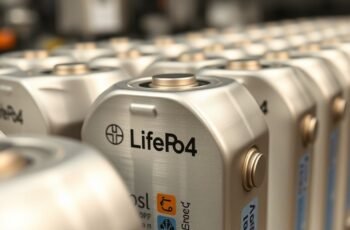
Consider a renewable energy system that relies on LiFePO4 batteries for storage; while these batteries are often grouped under the broader lithium-ion category, their chemistry raises important questions. Are they truly lithium batteries, or do their unique characteristics set them apart? Understanding this distinction is vital for evaluating their safety, longevity, and application suitability. Let’s explore how LiFePO4 fits within the lithium battery landscape and what implications this has for various uses.
Key Takeaways
- Yes, LiFePO4 batteries are a type of lithium-ion battery.
- They use lithium in the cathode material, classifying them within lithium battery technology.
- LiFePO4 batteries belong to the broader lithium-ion family due to their lithium-based chemistry.
- Despite different chemistry from cobalt or nickel-based lithium batteries, they still involve lithium.
- Their safety and performance features align with characteristics of lithium-ion batteries.
What Are Lithium Batteries and How Do They Work?
Lithium batteries are a type of rechargeable energy storage device that utilize lithium ions to transfer charge between electrodes. During charging, lithium ions move from the cathode to the anode through an electrolyte, while discharging reverses this process, generating electrical power. The efficiency and capacity of these batteries depend on materials and design, influencing their environmental impact. As lithium batteries become more widespread, battery recycling becomes critical to reduce waste and recover valuable materials, lessening ecological harm. Proper recycling also prevents hazardous leakage of chemicals and minimizes resource extraction impacts. Understanding these processes helps us evaluate lithium batteries’ sustainability, especially when considering alternatives like LiFePO4. Their role in reducing reliance on fossil fuels underscores the importance of developing environmentally responsible battery technologies.
Is LiFePO4 Considered a Lithium Battery?
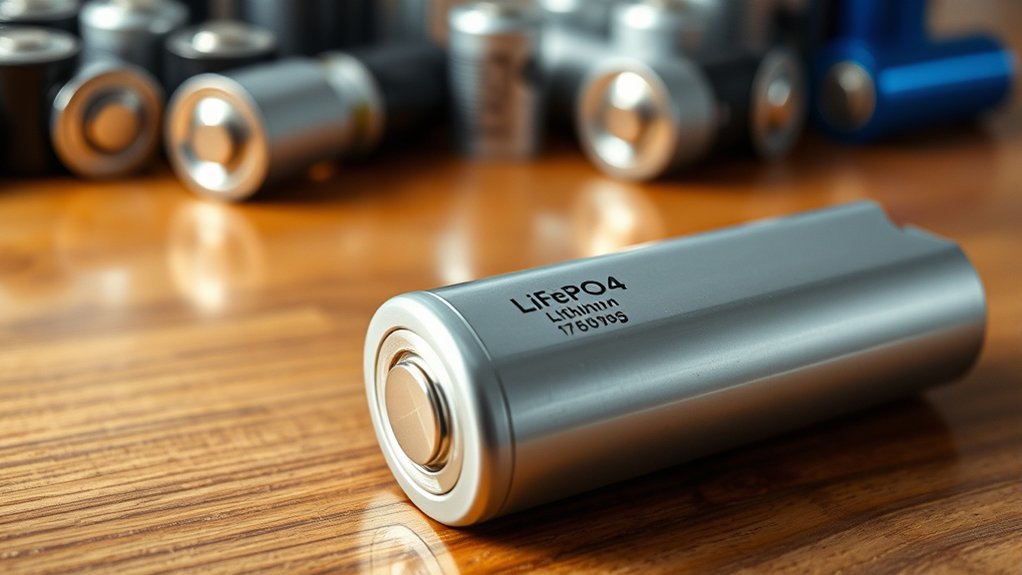
LiFePO4 batteries are often grouped with lithium batteries due to their use of lithium ions, but their chemical composition sets them apart. Their cathode material, lithium iron phosphate, influences both their chemistry classification and performance characteristics. Understanding these distinctions clarifies whether LiFePO4 should be categorized alongside traditional lithium-ion batteries.
Chemical Composition Differences
While LiFePO4 batteries utilize lithium as a core component, their chemical composition distinguishes them from other lithium-ion batteries. The electrolyte composition in LiFePO4 cells typically involves a lithium salt in an organic solvent, similar to other lithium batteries, but the cathode material differs markedly. Instead of cobalt or nickel-based cathodes, LiFePO4 uses lithium iron phosphate, which offers enhanced thermal stability and safety. The anode materials are generally graphite, consistent with most lithium-ion batteries, but the unique cathode chemistry influences overall electrochemical behavior. This composition results in a different voltage profile and capacity characteristics. Consequently, although lithium is integral to their structure, LiFePO4 batteries’ distinct electrolyte and cathode materials set them apart from traditional lithium-ion chemistries.
Battery Chemistry Classification
Since LiFePO4 batteries incorporate lithium as a fundamental element, they are generally classified within the broader category of lithium-ion batteries. This classification reflects their electrochemical properties, where lithium ions participate in energy transfer during charge and discharge cycles. Although they differ chemically from other lithium-ion chemistries—such as lithium cobalt oxide—they still fall under the lithium-ion umbrella. This distinction influences considerations around battery recycling and environmental impact, as lithium-based batteries require specialized recycling processes to recover valuable materials and minimize ecological harm. Recognizing LiFePO4 as a lithium battery underscores the importance of sustainable disposal practices and environmental responsibility, given the growing adoption of lithium-ion technology across various sectors.
Key Differences Between LiFePO4 and Other Lithium Batteries
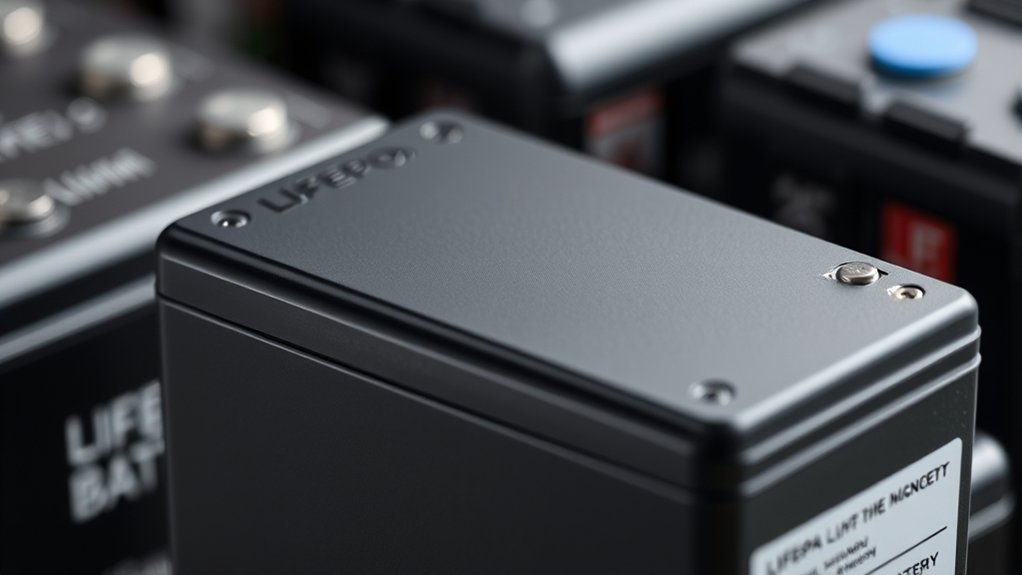
Understanding the key differences between LiFePO4 batteries and other lithium-ion chemistries is essential for selecting the right energy storage solution. LiFePO4 batteries stand out due to their enhanced safety, longer cycle life, and stable thermal profile. Unlike lithium cobalt oxide or lithium manganese oxide batteries, they exhibit lower risks of thermal runaway, impacting environmental safety and recycling processes.
Key distinctions include:
- Battery recycling: LiFePO4 batteries are easier to recycle due to fewer toxic materials, reducing environmental impact.
- Cycle life: They generally provide more charge-discharge cycles, extending lifespan and decreasing waste.
- Environmental impact: Their safety profile minimizes hazardous emissions, aligning with eco-friendly disposal practices.
These factors influence overall sustainability, safety, and the environmental footprint of lithium-ion energy storage solutions.
What Makes LiFePO4 Batteries Unique and Beneficial?
LiFePO4 batteries stand out due to their enhanced safety features, which considerably reduce the risk of thermal runaway and fires. Their longer lifespan and durability translate to more charge cycles and sustained performance over time, making them cost-effective. Additionally, their stable power output ensures consistent performance, even under varying load conditions.
Enhanced Safety Features
LiFePO4 batteries are distinguished by their intrinsic safety features that set them apart from other lithium-ion chemistries. Their chemical stability minimizes risks of thermal runaway, reducing the chance of fires or explosions. This stability enhances safety during operation and handling, especially in large-scale applications. Additionally, their environmentally friendly chemistry supports responsible battery recycling, lowering environmental impact. Key safety advantages include:
- Thermal stability prevents overheating and combustion risks
- Non-toxic materials facilitate safer battery recycling processes
- Stable voltage profile reduces sudden failures and safety hazards
These features make LiFePO4 batteries a safer choice for consumers and industry alike, with reduced safety concerns and a more sustainable environmental footprint. Their design prioritizes safety without compromising performance, aligning with modern ecological and safety standards.
Longer Lifespan Durability
Because of their chemical composition, LiFePO4 batteries exhibit a markedly longer lifespan compared to other lithium-ion chemistries, often surpassing 2000 charge cycles. This durability stems from the stable phosphate-based cathode, which resists degradation over time. Consequently, LiFePO4 batteries maintain capacity longer, reducing the frequency of replacements and waste. This durability positively impacts battery recycling efforts, as fewer units need disposal, lowering environmental impact. Additionally, their extended lifespan minimizes resource extraction and manufacturing emissions, making them a more sustainable choice. The combination of chemical stability and longevity enhances not only operational reliability but also environmental responsibility, making LiFePO4 batteries a technically advantageous and eco-conscious option for long-term energy storage solutions.
Stable Power Output
What precisely contributes to the stable power output of LiFePO4 batteries? Their unique chemical structure guarantees consistent voltage levels during discharge, which is essential for applications like the power grid and renewable energy systems. This stability minimizes voltage fluctuations, enabling reliable energy delivery. Key factors include:
- Flat discharge curve, maintaining voltage steadily until nearly depletion
- High cycle stability, preventing capacity fade over repeated use
- Thermal stability, reducing risk of overheating and ensuring consistent performance under various conditions
These attributes make LiFePO4 batteries especially suited for integrating renewable sources into the grid, where predictable power output is critical. Their ability to deliver stable, reliable energy enhances grid resilience and supports sustainable energy solutions.
How Do LiFePO4 Batteries Compare in Safety and Longevity?
While safety and longevity are critical factors in evaluating battery technologies, LiFePO4 batteries stand out due to their inherently stable chemistry. They resist thermal runaway and overcharge, reducing safety risks. Their lifespan exceeds 2,000 charge cycles, considerably outperforming traditional lithium-ion chemistries. This longevity minimizes frequent replacements, lowering environmental impact through reduced waste. Regarding battery recycling, LiFePO4’s stable composition simplifies disposal and reduces hazardous waste concerns. The table below compares safety and longevity aspects:
| Aspect | LiFePO4 | Traditional Lithium-ion |
|---|---|---|
| Safety | High (thermal stability) | Moderate (risk of thermal runaway) |
| Lifecycle (cycles) | >2,000 | 500-1,000 |
| Environmental Impact | Lower (less hazardous waste) | Higher (more toxic components) |
| Battery Recycling | Easier, less hazardous | More complex, riskier |
Which Applications Are Best Suited for LiFePO4 Batteries?
LiFePO4 batteries are particularly well-suited for applications that demand high safety, long cycle life, and reliable performance under demanding conditions. Their stability and durability make them ideal for renewable energy storage, where consistent energy output is critical for grid stability. In electric vehicles, LiFePO4 batteries provide a safer alternative with less thermal runaway risk, supporting longer lifespan and superior thermal management. Additionally, they excel in off-grid applications, backup power systems, and marine environments, where resilience and safety are paramount.
- Renewable energy storage systems ensuring stable, sustainable power
- Electric vehicles benefiting from safety and longevity
- Off-grid and backup power solutions demanding reliability and durability
Do LiFePO4 Batteries Require Special Care or Maintenance?
LiFePO4 batteries are renowned for their stable chemistry and long cycle life, which generally reduces the need for frequent maintenance compared to other lithium-ion chemistries. However, proper care extends their lifespan and performance. Adhering to specific charging protocols prevents overcharging or deep discharging, which can degrade the cells. Regular monitoring ensures peak operation, and responsible battery recycling avoids environmental impact at end-of-life. The table below highlights key maintenance considerations:
| Aspect | Best Practice |
|---|---|
| Charging protocols | Use chargers designed for LiFePO4, avoid overcharge |
| Battery recycling | Follow local regulations for environmentally safe disposal |
| State of charge | Keep between 20-80% for longevity |
| Maintenance | Minimal; periodic inspections suffice |
Following these guidelines ensures longevity, safety, and sustainability.
Frequently Asked Questions
Are Lifepo4 Batteries Environmentally Friendly?
We believe LiFePO4 batteries are environmentally friendly due to their superior battery safety and stability, reducing risks. Although they have lower energy density than some lithium batteries, their longevity minimizes waste, supporting sustainable energy storage solutions.
How Do Lifepo4 Batteries Perform in Extreme Temperatures?
Lifepo4 batteries excel like a sturdy oak in extreme temperatures, thanks to their thermal stability and temperature resilience. They maintain consistent performance, making them reliable even in harsh conditions, unlike many other lithium batteries.
Can Lifepo4 Batteries Be Recycled Easily?
We believe Lifepo4 batteries can be recycled more easily than other lithium batteries, reducing environmental impact through established battery recycling techniques. This promotes sustainable practices, minimizes waste, and enhances overall lifecycle management in energy storage systems.
What Is the Typical Lifespan of a Lifepo4 Battery?
Lifepo4 batteries, with their robust battery chemistry and impressive energy density, typically last 2000 to 7000 charge cycles—equivalent to 8-15 years—making them a powerhouse for longevity and reliable performance in demanding applications.
Are Lifepo4 Batteries Compatible With All Inverter Types?
Lifepo4 batteries, with their unique battery chemistry, are compatible with most inverter types, but verifying inverter compatibility is vital. We recommend consulting both battery and inverter specifications to guarantee peak performance and safety.
Conclusion
In summary, LiFePO4 batteries are a specialized subset of lithium batteries, distinguished by their unique chemistry and impressive safety profile. They’re like the steady heartbeat in energy storage, offering longevity and stability that many other lithium variants can’t match. As technology advances, their role in renewable energy and electric vehicles becomes even more essential. Understanding their nuances helps us harness their full potential, ensuring we make informed choices in our energy solutions.