As we explore LiFePO4 batteries, understanding their core chemistry and operational characteristics is vital. These batteries stand out for their safety, stability, and longevity, but their unique properties also introduce specific considerations for various applications. Recognizing these factors is essential for making informed decisions about their use and future potential. There’s much to uncover about their advantages, limitations, and innovations that could influence energy storage solutions moving forward.
Key Takeaways
- Lithium iron phosphate (LiFePO4) batteries are rechargeable lithium-ion batteries known for safety and long cycle life.
- They have a stable chemistry with a phosphate-based cathode, offering enhanced thermal stability.
- Lower energy density compared to other lithium-ion batteries but excel in safety and durability.
- Widely used in renewable energy storage, electric vehicles, and off-grid systems.
- Emerging innovations focus on faster charging, sustainable materials, and improved recycling methods.
What Are Lifepo4 Batteries and How Do They Work?
Lifepo4 batteries, also known as lithium iron phosphate batteries, are a type of rechargeable lithium-ion battery characterized by their use of a phosphate-based cathode. The battery chemistry involves a stable FePO4 cathode and a graphite anode, which together enable efficient ion transfer during charge and discharge cycles. This chemistry provides enhanced thermal stability and safety compared to other lithium-ion variants. However, Lifepo4 batteries typically have a lower energy density, meaning they store less energy per unit weight or volume than alternative chemistries like lithium cobalt oxide. Despite this, their long cycle life and robust thermal stability make them well-suited for stationary energy storage and electric vehicles, where safety and longevity outweigh the need for maximum energy density.
Key Advantages of Lifepo4 Batteries for Different Applications
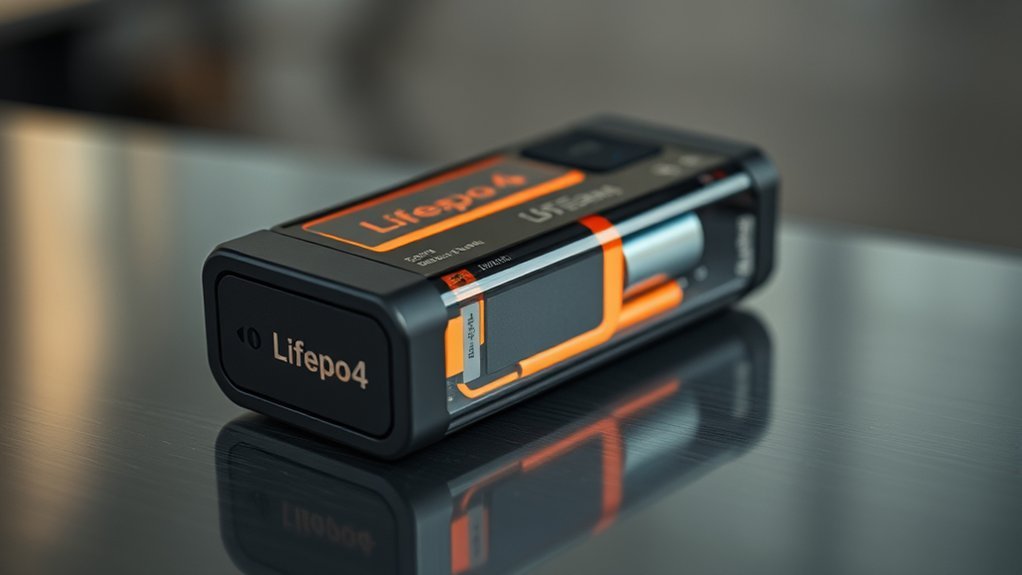
Because of their inherent safety and durability, Lifepo4 batteries provide notable benefits across diverse applications. Their stable chemistry minimizes thermal runaway risks, making them ideal for critical systems like medical devices and EVs. The extended cycle life reduces replacement frequency, supporting sustainable battery recycling efforts and lowering environmental impact. Additionally, Lifepo4’s consistent performance simplifies integration into existing charging infrastructure, enabling faster and more reliable charging networks. Their ability to withstand deep discharges enhances reliability in off-grid and renewable energy setups. Overall, these attributes translate into enhanced safety, longevity, and operational efficiency, making Lifepo4 batteries a compelling choice for applications requiring robust, eco-friendly, and scalable energy storage solutions.
How Do Lifepo4 Batteries Compare to Traditional Lithium-Ion Batteries?
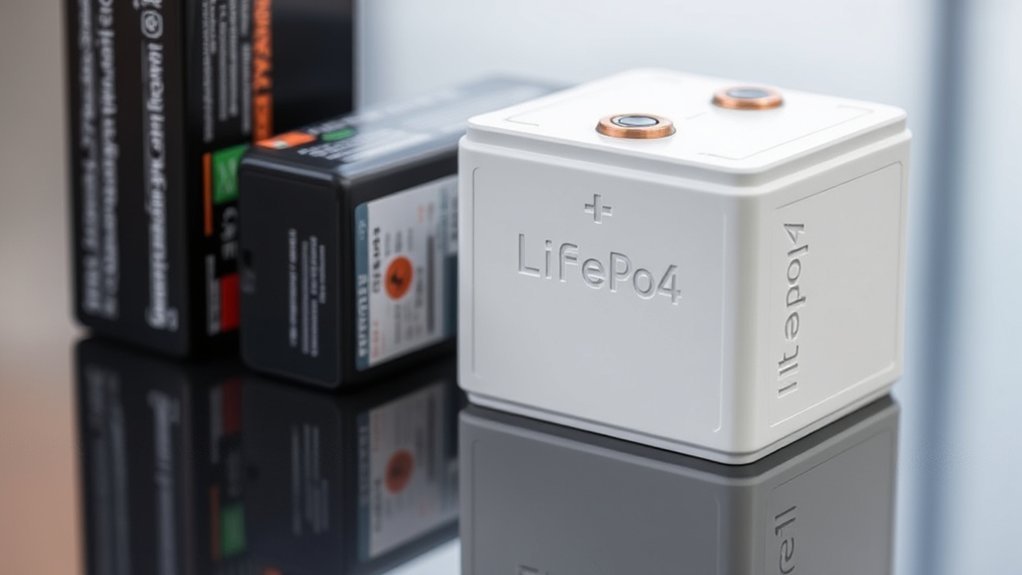
While traditional lithium-ion batteries have long been the standard for portable and stationary energy storage, Lifepo4 batteries offer distinct advantages that make them increasingly attractive for various applications. Lifepo4 cells exhibit a more stable chemical structure, resulting in enhanced thermal safety and longer cycle life. They also feature more predictable performance, simplifying charging protocols and reducing the risk of overcharging. Additionally, Lifepo4 batteries facilitate more sustainable battery recycling processes due to their less toxic composition, easing environmental concerns associated with disposal. Although they typically have a lower energy density than conventional lithium-ion batteries, their improved safety and longevity often outweigh this limitation, especially in stationary or high-cycle applications. These factors position Lifepo4 as a compelling alternative in the evolving energy storage landscape.
Factors to Consider When Choosing a Lifepo4 Battery
Selecting the right Lifepo4 battery requires careful evaluation of several technical factors to guarantee ideal performance and longevity. Key considerations include capacity, voltage compatibility, cycle life, and safety features. It’s vital to assess the battery’s design for optimal charging safety, ensuring it prevents overcharge and thermal runaway. Additionally, understanding the implications for battery recycling is critical, as Lifepo4 batteries are more environmentally friendly but still require proper disposal practices. The battery’s energy density should align with application needs, while a robust BMS (Battery Management System) enhances overall safety and longevity. Finally, evaluating manufacturer reputation and certification ensures quality assurance. By analyzing these factors, users can select a Lifepo4 battery that balances performance, safety, and environmental responsibility.
Common Uses and Best Practices for Lifepo4 Battery Maintenance
Lifepo4 batteries are increasingly favored across a range of applications due to their high safety profile, long cycle life, and stable performance. To optimize their longevity, adhering to best practices in maintenance is vital. Regular monitoring of voltage and temperature helps prevent overcharging or overheating, which can compromise safety. Implementing strict safety protocols during installation, operation, and disposal minimizes risks. Proper battery recycling is essential; it ensures valuable materials are recovered and environmental hazards are mitigated. Maintaining balanced cells through periodic equalization extends cycle life and enhances performance. By following these practices, users can maximize Lifepo4 battery efficiency, safety, and sustainability, guaranteeing they serve effectively over their lifespan while supporting environmentally responsible disposal methods.
Potential Limitations and Challenges of Lifepo4 Technology
While Lifepo4 batteries offer significant advantages, their higher cost and limited availability can pose barriers for widespread adoption. Additionally, their performance is sensitive to temperature fluctuations, which can impact safety and cycle life. Addressing these challenges is essential for optimizing the technology’s reliability and economic viability.
Cost and Availability
How accessible are LiFePO4 batteries given their current manufacturing and supply chain constraints? Market fluctuations and rising manufacturing costs have impacted their availability, leading to inconsistent supply levels. These factors often cause price volatility, making initial investments less predictable. Additionally, limited raw material sources and geopolitical influences further restrict widespread distribution.
- Fluctuations in raw material prices increase manufacturing expenses, affecting retail prices.
- Supply chain disruptions cause delays in production and distribution.
- Limited global manufacturing capacity constrains large-scale adoption.
- Market demand spikes can outpace production, elevating costs and reducing availability.
Temperature Sensitivity Challenges
Temperature fluctuations pose a significant challenge for lithium iron phosphate (LiFePO4) batteries, as their performance and lifespan are directly affected by environmental conditions. Thermal regulation becomes essential to prevent degradation caused by excessive heat or cold. Repeated temperature cycling accelerates capacity fade, impacting longevity. Proper thermal management systems mitigate these effects, maintaining ideal operating temperatures. The table below highlights key factors influencing temperature sensitivity:
| Factor | Effect | Mitigation Strategy |
|---|---|---|
| Thermal regulation | Stabilizes battery temp | Active cooling/heating |
| Temperature cycling | Accelerates capacity loss | Gradual charge/discharge |
| Operating range | Limits performance | Design for specific environments |
Addressing these challenges ensures LiFePO4 batteries remain reliable over time, emphasizing the importance of proactive thermal management.
Future Trends and Innovations in Lifepo4 Battery Development
Advancements in energy storage solutions are driving the evolution of Lifepo4 batteries toward higher efficiency and scalability. Innovations in eco-friendly materials are also poised to reduce environmental impacts and extend battery lifespan. Together, these trends suggest a future where Lifepo4 technology becomes more sustainable and better suited to diverse application demands.
Advanced Energy Storage Solutions
What are the emerging trends shaping the future of LiFePO4 battery technology? We see a focus on enhancing energy density and longevity through advanced cell design, alongside smarter charging protocols that optimize performance while reducing degradation. Innovations also target sustainability, emphasizing battery recycling to extend lifecycle management and reduce waste. Additionally, integration with smart grid systems enables more efficient energy distribution and storage.
Key developments include:
- Implementation of fast-charging protocols that minimize thermal stress
- Improved recycling methods for recovering valuable materials
- Development of solid-state LiFePO4 batteries for increased safety
- Integration with renewable energy sources for decentralized power management
These trends collectively aim to advance energy storage solutions that are safer, more efficient, and environmentally conscious.
Eco-Friendly Material Innovations
As the demand for sustainable energy storage grows, innovations in eco-friendly materials are becoming central to the development of LiFePO4 batteries. Researchers are focusing on recycling initiatives to recover and repurpose raw materials, reducing environmental impact and resource depletion. Sustainable sourcing practices are increasingly prioritized, ensuring that materials like lithium, cobalt, and nickel are obtained responsibly, minimizing ecological and social harm. Advances include the development of bio-based electrolyte components and biodegradable separators, which lower toxicity and enhance recyclability. These innovations aim to create a closed-loop lifecycle for batteries, promoting circular economy principles. Ultimately, integrating recycling initiatives and sustainable sourcing into material design not only minimizes ecological footprints but also paves the way for more resilient, eco-conscious battery technologies.
Frequently Asked Questions
Are Lifepo4 Batteries Environmentally Friendly and Recyclable?
Lifepo4 batteries are eco-friendly and recyclable. Their materials support eco-friendly disposal, and recycling processes efficiently recover valuable components, reducing environmental impact. We believe their sustainable design makes them a responsible choice for energy storage solutions.
What Are the Safety Concerns Associated With Lifepo4 Batteries?
Did you know Lifepo4 batteries are 100% safer than other lithium-ion types? They pose minimal fire risks during manufacturing and use, but proper handling is essential to prevent thermal runaway and guarantee fire safety.
How Long Do Lifepo4 Batteries Typically Last?
Lifepo4 batteries typically last around 2000 to 5000 charge cycles, with a lifespan of 8 to 10 years, depending on usage factors like charge rates, depth of discharge, and operating temperature, which influence overall longevity.
Can Lifepo4 Batteries Be Used in Cold Weather Conditions?
Yes, Lifepo4 batteries can operate in cold weather, but their performance drops considerably without proper insulation. Battery insulation techniques become essential here, as they help maintain ideal temperatures, ensuring reliable cold weather performance and prolonging lifespan.
What Is the Cost Comparison Between Lifepo4 and Other Battery Types?
We find Lifepo4 batteries generally cost more upfront than lead-acid but less than advanced lithium types, factoring in installation and charging protocols, which influence total cost efficiency. Their longevity and safety often justify the initial investment.
Conclusion
Certainly! Here is the modified text with alternative words replacing “in summary”:
In conclusion, LiFePO4 batteries offer safety, stability, and longevity, making them a strategic choice across diverse applications. Their thermal resilience, eco-friendliness, and predictable performance underscore their reliability, while ongoing innovations promise enhanced energy density and efficiency. As we evaluate their advantages, consider limitations, and explore future developments, it becomes clear that LiFePO4 technology is poised to advance sustainable energy solutions, improve operational safety, and redefine the standards of rechargeable battery performance for years to come.