Did you know that LiFePO4 batteries can often exceed 2,000 charge cycles with minimal capacity loss? This remarkable durability makes them a compelling choice for demanding energy storage needs. As we explore their structure and performance, you’ll see how their unique chemistry offers advantages over other lithium-ion types. Understanding their core principles is essential for evaluating their suitability in various applications—so, let’s examine what sets them apart and how they function.
Key Takeaways
- Lithium iron phosphate (LiFePO4) is a rechargeable lithium-ion battery with a stable, safe chemistry.
- It offers a long cycle life, typically exceeding 2,000 charge and discharge cycles.
- Known for enhanced safety, stability, and reduced risk of thermal runaway.
- Commonly used in renewable energy storage, electric vehicles, and backup power systems.
- Features a lower energy density but benefits from durability, recyclability, and safety.
What Is a LiFePO4 Battery and How Does It Work?
A LiFePO4 battery, also known as a lithium iron phosphate battery, is a type of rechargeable lithium-ion battery distinguished by its cathode material, which enhances safety and stability. Its chemistry allows for a higher number of charge cycles, typically exceeding 2,000, making it more durable over time. This longevity reduces the frequency of battery recycling, which is essential for environmental sustainability. The battery’s stable chemistry minimizes thermal runaway risks, ensuring safer operation. During discharge, lithium ions move from the cathode to the anode; upon charging, they reverse. The robust structure also allows for consistent performance under varied conditions. Overall, the combination of safety, longevity, and recyclability highlights LiFePO4’s technical advantages in energy storage applications.
Benefits of Using LiFePO4 Batteries in Your Projects
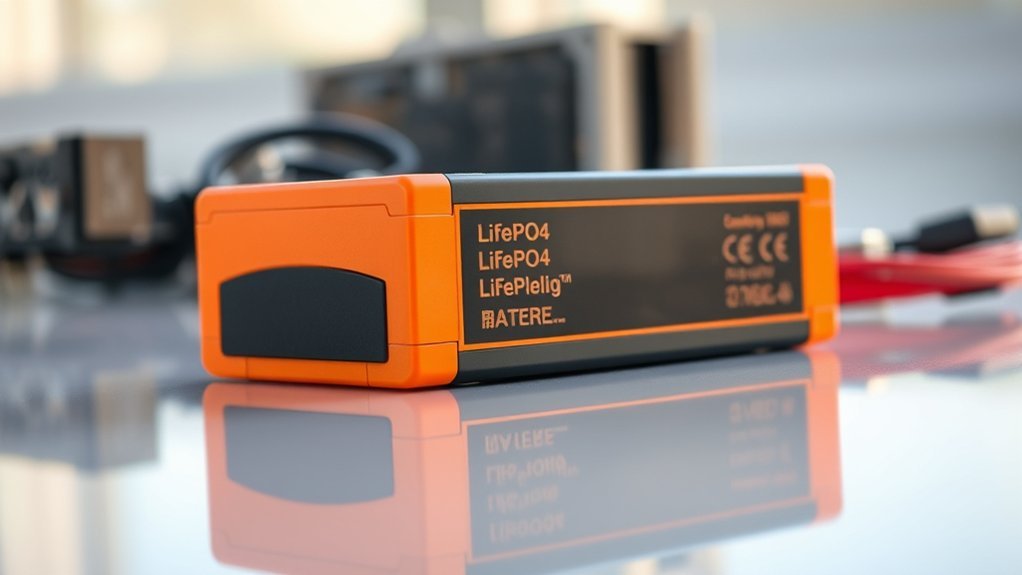
The use of LiFePO4 batteries in projects offers significant technical advantages, primarily due to their superior safety profile and long cycle life. Their stable chemistry reduces thermal runaway risks, enhancing safety during operation. Additionally, their extended cycle life translates to fewer replacements and lower long-term costs. From an environmental perspective, LiFePO4 batteries facilitate easier battery recycling, minimizing ecological impact. Proper charging protocols are essential to maximize lifespan and efficiency; these batteries tolerate high charge and discharge rates without degradation, provided protocols are followed. This makes them suitable for demanding applications. Overall, their safety, durability, and recyclability make LiFePO4 batteries a reliable choice for sustainable, long-term energy storage solutions, optimizing project performance and reducing operational risks.
How LiFePO4 Batteries Compare to Other Battery Types
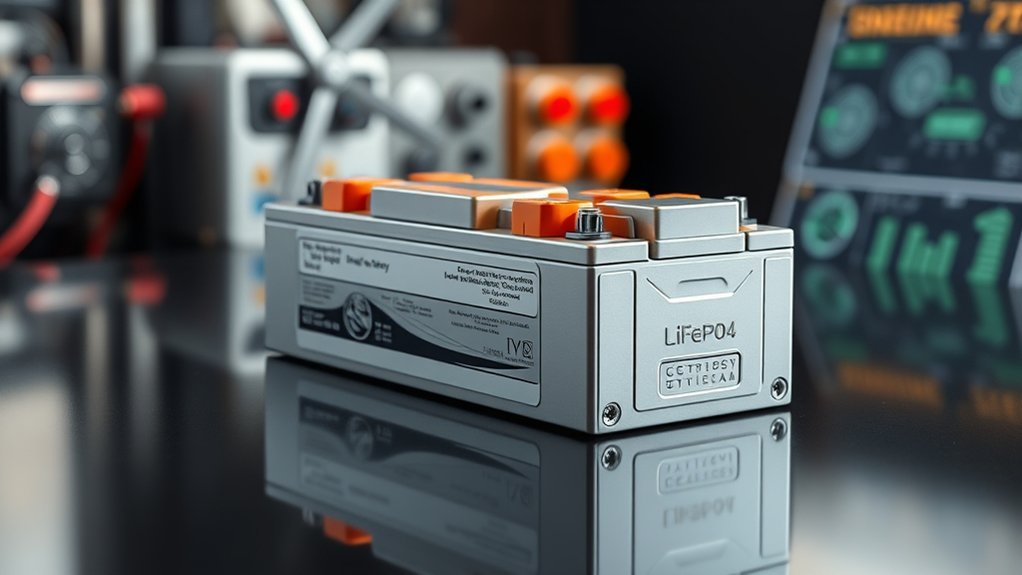
When comparing LiFePO4 batteries to other types, energy density is a key factor, as it influences size and weight for specific applications. We also consider cost and overall longevity, since these directly impact long-term performance and maintenance expenses. Analyzing these points helps us determine which battery technology best fits different operational demands.
Energy Density Differences
How do LiFePO₄ batteries measure up in energy density compared to other common chemistries? While they offer superior safety and stability, their energy density remains lower than lithium-ion variants like NMC or LCO. Typically, LiFePO₄ cells deliver around 90-160 Wh/kg, whereas other chemistries can exceed 200 Wh/kg. This lower density limits their use in applications where space and weight are critical. However, their enhanced battery safety reduces risks of thermal runaway, making them preferable for stationary storage and electric vehicles prioritizing safety over maximum energy. Recycling methods for LiFePO₄ are well-established, supporting environmental sustainability. Despite their lower energy density, their durability and safety profile make them a practical choice in many contexts, especially where safety is paramount.
Cost and Longevity
LiFePO₄ batteries stand out for their cost-effectiveness and long service life compared to many other lithium-ion chemistries. Their durability allows for more charge-discharge cycles, reducing replacement frequency and optimizing total cost of ownership. Additionally, proper charging protocols are essential to maximize lifespan and maintain performance, as LiFePO₄ chemistry is less prone to thermal runaway but sensitive to overcharging. When considering battery recycling, LiFePO₄ batteries are more environmentally friendly, with less hazardous material, making recycling processes safer and more sustainable. This longevity combined with efficient recycling options underscores their economic and ecological advantages over other chemistries, which often require more frequent replacement and involve more complex disposal procedures.
Common Applications of LiFePO4 Technology
Due to its high energy density, thermal stability, and long cycle life, LiFePO₄ batteries are increasingly adopted across various sectors. In renewable energy storage, their reliable performance supports solar and wind systems. Electric vehicles benefit from their safety profile and longevity, making them a preferred choice. Additionally, stationary applications, such as backup power for data centers, leverage LiFePO₄’s stability. Proper battery recycling practices are essential to minimize environmental impact, given the growing deployment. Efficient charging protocols optimize lifespan and performance, ensuring safe operation and preventing degradation. Their inherent stability allows for more flexible charging strategies, which is critical in high-demand applications. Overall, LiFePO₄ technology’s versatility makes it suitable for diverse industries, emphasizing safety, sustainability, and efficiency.
What to Consider When Choosing a LiFePO4 Battery
Choosing the right LiFePO₄ battery requires careful consideration of several technical factors to guarantee peak performance and safety. Critical aspects include understanding capacity and cycle life, guaranteeing effective thermal management, evaluating safety features, and considering environmental impact through battery recycling.
- Thermal management: Proper heat dissipation prevents overheating, extending battery lifespan and maintaining efficiency.
- Capacity and cycle life: Higher capacities and longer cycle life optimize power output and longevity, essential for demanding applications.
- Safety features: Look for built-in protections against overcharge, over-discharge, and short circuits to enhance operational safety.
- Environmental impact: Consider battery recycling options to reduce ecological footprint and promote sustainability.
Focusing on these factors ensures a balanced, durable, and eco-conscious choice tailored to specific needs.
The Future of LiFePO4 Batteries in Sustainable Energy
As the global push for renewable energy accelerates, the role of advanced battery technologies becomes increasingly critical in shaping a sustainable future. LiFePO4 batteries are poised to play a significant part due to their inherent safety, longevity, and stability. Their potential for widespread adoption hinges on improvements in battery recycling processes to minimize environmental impact and resource depletion. Advancements in recycling technology will guarantee that valuable materials are recovered efficiently, reducing waste and lowering the environmental footprint. Additionally, ongoing research aims to optimize manufacturing and disposal methods, further mitigating ecological concerns. As we move forward, integrating sustainable practices with LiFePO4 battery development will be essential to maximize their benefits in renewable energy systems and secure a truly environmentally responsible energy shift.
Frequently Asked Questions
How Long Do Lifepo4 Batteries Typically Last?
Lifepo4 batteries typically last 2000-5000 cycles, translating to 8-10 years with proper battery maintenance and adherence to charging protocols. Regular monitoring and avoiding overcharging extend their lifespan and guarantee peak performance over time.
Are Lifepo4 Batteries Safe in All Conditions?
We find LiFePO4 batteries are generally safe in most conditions, thanks to stable battery chemistry and environmental safety features. However, extreme heat or physical damage can compromise safety, highlighting the importance of proper handling and usage.
Can Lifepo4 Batteries Be Recycled?
We can recycle LiFePO4 batteries through specialized battery recycling processes, reducing environmental impact by recovering valuable materials. This method minimizes waste, promotes sustainability, and guarantees proper handling of hazardous components, aligning with environmentally responsible practices.
What Is the Cost Comparison With Other Batteries?
We find LiFePO4 batteries highly cost-efficient due to their longevity and safety, though initial costs are higher. Market availability is excellent, making them a competitive choice compared to lead-acid and other lithium-ion batteries in long-term applications.
How Do Temperature Extremes Affect Lifepo4 Performance?
Temperature extremes accelerate battery degradation in LiFePO4 cells, reducing lifespan and performance; effective thermal management is essential to maintain ideal operating conditions, preventing damage and ensuring consistent energy delivery across varying environmental temperatures.
Conclusion
In summary, LiFePO4 batteries offer a compelling balance of safety, longevity, and environmental friendliness, making them a practical choice for various demanding applications. While their energy density may not match all alternatives, their durability and stability ensure dependable performance over time. As technology advances, these batteries are poised to play an essential role in sustainable energy solutions—proving that sometimes, the best horse in the race is the one that keeps running smoothly.