Imagine a solar energy system relying on LiFePO4 batteries for storage, where safety and longevity are critical. Understanding what “LiFePO4” stands for can clarify why this chemistry is becoming a preferred choice. It’s more than just a name; it reflects the specific materials that influence performance, safety, and application suitability. Exploring the components behind the abbreviation reveals important distinctions that could impact your decision-making process.
Key Takeaways
- LiFePO4 stands for Lithium Iron Phosphate.
- It is a specific lithium-ion battery chemistry used as a cathode material.
- The components include Lithium, Iron, and Phosphate.
- It is known for safety, stability, and long cycle life.
- Commonly used in electric vehicles and renewable energy systems.
What Does “LiFePO4” Mean in Battery Chemistry?
LiFePO4 stands for Lithium Iron Phosphate, a specific compound used as a cathode material in rechargeable batteries. Its historical development traces back to the early 1990s when research shifted toward safer, more stable lithium-ion chemistries. Market trends reveal a steady increase in LiFePO4 adoption due to its thermal stability, long cycle life, and environmental friendliness. This compound’s unique crystal structure enhances battery safety, making it increasingly preferred in electric vehicles and energy storage systems. As demand for reliable, sustainable energy solutions grows, the market for LiFePO4 batteries continues to expand rapidly. Advances in manufacturing and material processing further solidify its role, aligning technical performance with evolving industry needs and regulatory standards.
Breaking Down the Full Name: Lithium, Iron, Phosphate Components
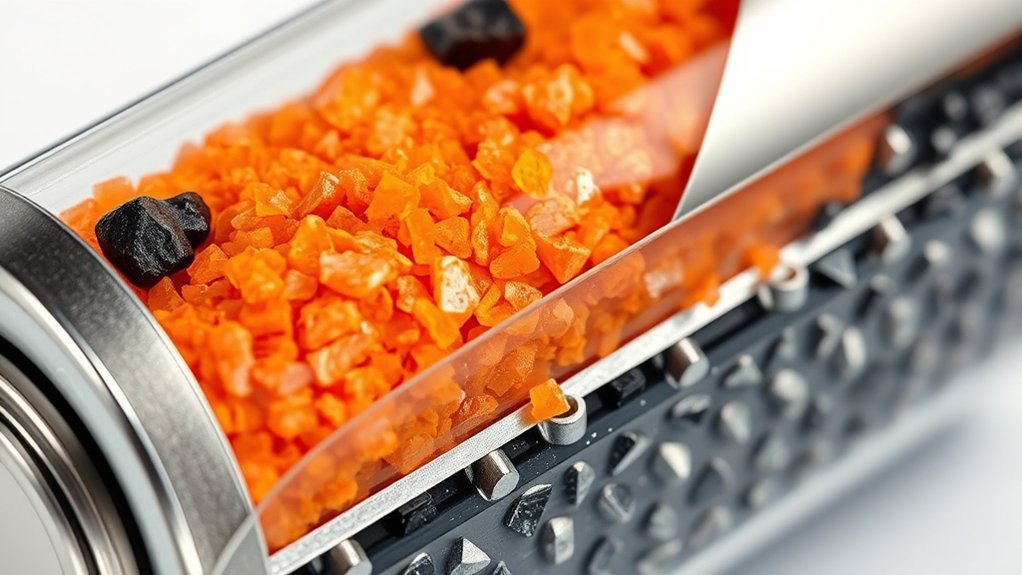
To understand the composition of Lithium Iron Phosphate batteries, it’s essential to examine each component in their full chemical name. Lithium provides the essential charge carrier, enabling high energy density and fast charging capabilities. Iron offers a more abundant and environmentally friendly alternative to other transition metals, reducing environmental impact during extraction. Phosphate acts as a stable, non-toxic structural backbone, enhancing thermal stability and safety. From a manufacturing perspective, the choice of iron and phosphate simplifies processes and minimizes hazardous waste compared to other lithium-ion chemistries. Overall, these components work synergistically, balancing performance with environmental considerations, and making LiFePO4 batteries a responsible choice in terms of sustainability and manufacturing efficiency.
How Lifepo4 Batteries Differ From Other Lithium-Ion Types
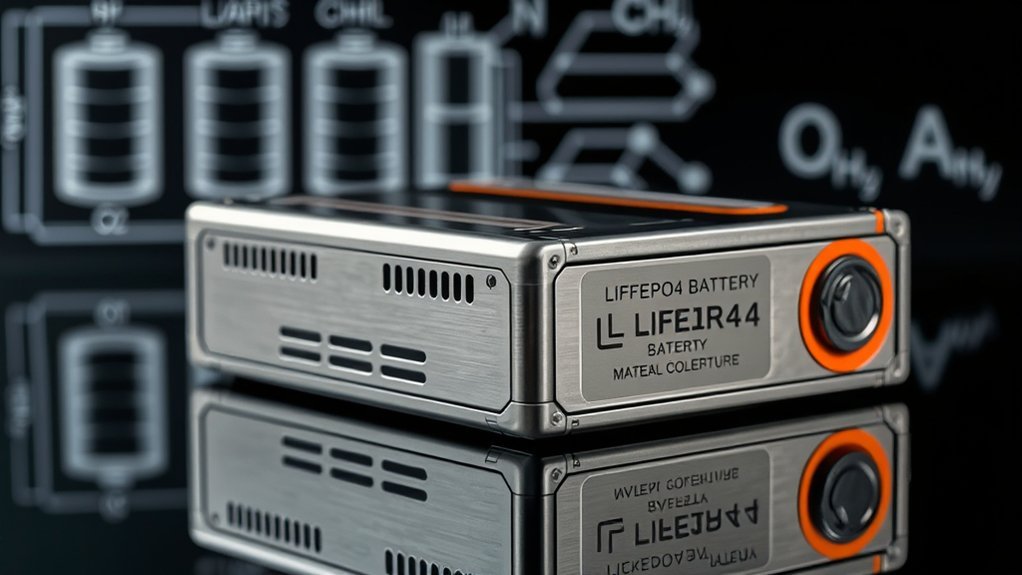
Lifepo4 batteries offer notable advantages in safety and stability compared to other lithium-ion chemistries, primarily due to their robust chemical structure. They also deliver consistent performance with longer cycle life, reducing the need for frequent replacements. Understanding these differences helps us evaluate their suitability for various applications more effectively.
Safety and Stability
What sets Lifepo4 batteries apart in regards to safety and stability is their inherently robust chemical composition, which considerably reduces the risk of thermal runaway compared to other lithium-ion chemistries. This stability stems from the strong FePO4 bonds, making them less prone to overheating or combustion under stress. Consequently, Lifepo4 batteries enhance safety, even during mechanical damage or overcharging. From a cost considerations perspective, their lower failure rate minimizes replacement costs and safety-related liabilities. Environmentally, Lifepo4’s non-toxic, stable chemistry results in less hazardous waste and a reduced environmental impact during manufacturing and disposal. Overall, these attributes make Lifepo4 batteries a safer, more stable choice, aligning safety protocols with ecological responsibility and long-term economic benefits.
Performance and Longevity
How do Lifepo4 batteries stand out regarding performance and longevity compared to other lithium-ion chemistries? These batteries offer increased cycle life, often exceeding 2000 cycles, which enhances overall longevity. Their stable chemistry reduces capacity fade over time, maintaining performance more effectively. Additionally, Lifepo4 batteries exhibit superior thermal stability, minimizing risks of overheating and extending lifespan. From an environmental perspective, their longevity supports better battery recycling outcomes by reducing waste. Their stable chemistry also lessens the environmental impact, as fewer toxic materials are released during disposal. Compared to other lithium-ion types, Lifepo4’s durability and safety profile make them a more sustainable choice, aligning with eco-conscious initiatives focused on minimizing environmental impact through longer-lasting, recyclable energy storage solutions.
Why “LiFePO4” Is Considered Safer and More Durable
Because of its chemical stability, LiFePO4 batteries are inherently safer than other lithium-ion chemistries, reducing risks of thermal runaway and fires. This stability also enhances durability, as the cathode material resists degradation over multiple cycles, extending lifespan. Additionally, LiFePO4’s non-toxic composition supports more sustainable battery recycling, minimizing environmental impact. The stable chemistry simplifies disassembly and reduces hazardous waste, making the recycling process more efficient and safer for waste management facilities. These factors contribute to a lower overall environmental footprint compared to other lithium-ion chemistries, which often involve more toxic materials and complex recycling procedures. Consequently, LiFePO4 batteries not only offer enhanced safety and durability but also promote responsible lifecycle management, aligning with growing environmental concerns.
Common Uses of LiFePO4 Batteries in Real-World Applications
LiFePO4 batteries are increasingly favored across various industries due to their safety, longevity, and stable performance. Their widespread adoption spans electric vehicles, renewable energy storage, and backup power systems, where reliability is critical. These batteries are also advantageous in applications emphasizing sustainability, given their compatibility with battery recycling processes that minimize environmental impact. The inherent stability of LiFePO4 chemistry reduces risks of thermal runaway, making them safer for large-scale deployment. Additionally, their extended cycle life reduces the frequency of replacements, further decreasing waste. As industries seek to lower environmental footprints, the combination of recyclability and lower toxic emissions makes LiFePO4 batteries a preferred choice for eco-conscious applications, aligning performance with environmental responsibility.
What Should You Know Before Choosing a LiFePO4 Battery?
Before selecting a LiFePO4 battery, we need to evaluate its expected lifespan and how it aligns with our application’s longevity requirements. Compatibility with specific devices and systems is vital to guarantee ideal performance and safety. Understanding these factors helps us make informed decisions that maximize efficiency and durability.
Battery Lifespan Expectations
What should you expect regarding the lifespan of a LiFePO4 battery when making your selection? Typically, these batteries offer 2,000 to 5,000 charge cycles, considerably surpassing other lithium-ion chemistries. This durability translates into an operational life of 8-10 years under ideal conditions. The extended lifespan reduces the frequency of replacement, positively impacting the environment by minimizing waste and supporting battery recycling efforts. Additionally, LiFePO4 batteries possess a stable chemistry that mitigates thermal runaway risks, enhancing safety and longevity. Their durability and recyclability lessen environmental impact, making them a sustainable choice. However, factors like operating temperature, depth of discharge, and maintenance influence actual lifespan, underscoring the importance of proper management to maximize performance and lifespan.
Compatibility With Devices
How do you guarantee a LiFePO4 battery seamlessly integrates with your devices? Confirming compatibility involves evaluating charging compatibility, as LiFePO4 batteries require specific voltage and current parameters to prevent damage and optimize performance. Devices designed for traditional lead-acid or lithium-ion batteries may need adjustments or compatible charge controllers to support LiFePO4 chemistry. Device integration also depends on the battery’s form factor, terminal configuration, and overall power output, which must align with your device’s power requirements. Properly matching these specifications minimizes risks of overcurrent or undervoltage issues. Before selecting a LiFePO4 battery, verify that your device’s system supports these parameters, and consider whether additional components like BMS (Battery Management Systems) are necessary to ensure safe, reliable operation.
Frequently Asked Questions
How Long Do Lifepo4 Batteries Typically Last?
Lifepo4 batteries typically last 2000 to 5000 cycles, translating to 8-10 years with proper battery safety and storage considerations. Regular monitoring and avoiding overcharging extend their lifespan, ensuring peak performance and longevity.
Are Lifepo4 Batteries Environmentally Friendly?
Lifepo4 batteries are eco-friendly, utilizing eco-friendly materials that reduce environmental impact. Their manufacturing process results in a considerably lower carbon footprint, making them a sustainable choice for energy storage and reducing overall environmental harm.
Can Lifepo4 Batteries Be Recycled?
Yes, LiFePO4 batteries can be recycled through specialized battery recycling processes, substantially reducing their environmental impact. We analyze their components, recover valuable materials, and minimize waste, ensuring sustainable lifecycle management and alignment with eco-friendly practices.
What Are the Cost Differences Compared to Other Lithium Batteries?
Like comparing apples and oranges, Lifepo4 batteries tend to be costlier than traditional lithium-ion types initially, but factors like longer lifespan and safety can balance the cost comparison, making them a smarter, more economical choice over time.
How Do Temperature Conditions Affect Lifepo4 Performance?
Lifepo4 batteries exhibit temperature sensitivity, with performance declining outside ideal thermal ranges. Proper thermal management is essential to maintain efficiency, prevent overheating, and guarantee safety, especially in extreme cold or heat conditions.
Conclusion
In summary, LiFePO4 batteries offer a compelling combination of safety, longevity, and environmental friendliness, making them a reliable choice despite their slightly lower energy density. While some might worry about their size or weight compared to other lithium-ion options, their stability and long cycle life often outweigh these concerns. By understanding their technical advantages, you can confidently select a battery that guarantees both performance and safety in your applications.