As we explore LiFePO4 batteries, understanding their unique chemistry and operational principles, which distinguish them from other lithium-ion cells, is crucial. Their inherent stability contributes to safety and longevity, yet they present specific considerations for application and performance. Gaining a detailed technical perspective can reveal both their advantages and limitations, prompting questions about how they compare to alternative options and what future developments might shape their role in energy solutions.
Key Takeaways
- LiFePO4 batteries are rechargeable lithium-ion batteries with a lithium iron phosphate cathode, known for safety and longevity.
- They offer high thermal stability and resistance to overheating, reducing fire and thermal runaway risks.
- These batteries have a longer cycle life, often exceeding 2,000 charge-discharge cycles.
- Their stable chemistry makes them suitable for critical applications like electric vehicles and energy storage.
- While having lower energy density, they provide reliable performance with eco-friendly and recyclable components.
What Are LiFePO4 Batteries and How Do They Work?
LiFePO4 batteries, also known as lithium iron phosphate batteries, are a type of rechargeable lithium-ion battery characterized by their unique cathode chemistry. This chemistry involves lithium iron phosphate, which influences the battery’s stability and safety profile. Unlike other lithium-ion chemistries, LiFePO4 offers a lower energy density but provides enhanced thermal stability and longer cycle life. The cathode’s stable crystal structure reduces the risk of thermal runaway and improves overall safety. Regarding their working mechanism, lithium ions move between the anode and cathode during charge and discharge cycles, facilitated by the electrolyte. While their energy density is lower compared to other lithium chemistries, the consistent battery chemistry ensures reliable performance and longevity, making LiFePO4 a preferred choice in applications prioritizing safety and durability.
Key Advantages of LiFePO4 Compared to Traditional Lithium-Ion Batteries
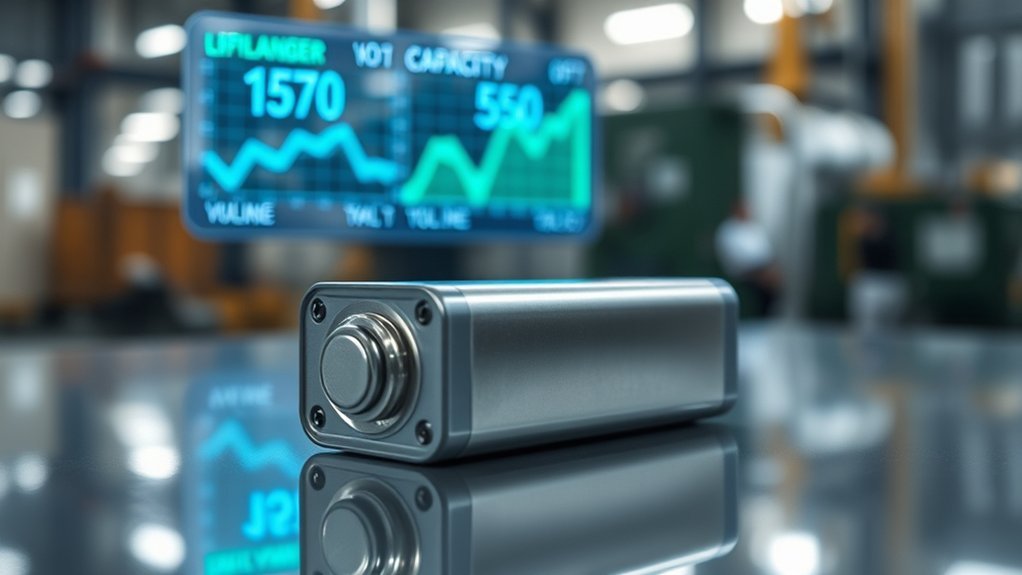
LiFePO4 batteries offer notable safety advantages due to their thermally stable chemistry, reducing the risk of thermal runaway. They also feature a considerably longer cycle life, enabling more charge-discharge cycles before capacity diminishes. Additionally, their superior thermal stability enhances performance in high-temperature environments, making them a reliable choice across various applications.
Enhanced Safety Features
While traditional lithium-ion batteries are widely used, they pose notable safety concerns due to their thermal instability and propensity for thermal runaway under certain conditions. LiFePO4 batteries considerably mitigate these risks through inherent chemical stability, reducing the likelihood of catastrophic failure. Their robust safety certifications demonstrate compliance with rigorous standards, emphasizing accident prevention. Unlike other lithium-ion chemistries, LiFePO4’s stable phosphate structure resists overheating and combustion, even when damaged or improperly handled. This enhanced safety profile makes them suitable for critical applications like electric vehicles and grid storage. By prioritizing safety, LiFePO4 batteries provide reliable performance with minimized risk, offering peace of mind for users and manufacturers alike. This inherent safety advantage underscores their growing adoption across safety-sensitive industries.
Longer Cycle Life
Have you ever wondered why LiFePO4 batteries excel in long-term applications? Their remarkable cycle life, often exceeding 2,000 cycles, considerably surpasses traditional lithium-ion batteries. This durability reduces replacement frequency, enhancing cost effectiveness over time. Additionally, their stable chemistry supports sustainable battery recycling, minimizing environmental impact. The extended lifespan translates into lower costs per cycle, making them economically advantageous for large-scale and renewable energy setups. To illustrate:
| Aspect | Traditional Lithium-Ion | LiFePO4 | Impact |
|---|---|---|---|
| Cycle Life | 500-1,000 cycles | 2,000+ cycles | Longer lifespan, fewer replacements |
| Cost Effectiveness | Moderate | High | Lower total ownership cost |
| Battery Recycling | Limited efficiency | Improved process | Eco-friendlier disposal |
This combination of longevity and sustainability underscores LiFePO4’s superiority for enduring, cost-effective energy solutions.
Superior Thermal Stability
The inherent chemical structure of LiFePO4 provides it with markedly superior thermal stability compared to traditional lithium-ion batteries. This stability greatly enhances safety, especially under thermal stress or abuse conditions. Its robust lattice minimizes heat generation during charge and discharge cycles, simplifying thermal management. Effective heat dissipation prevents temperature spikes, reducing the risk of thermal runaway. Visualize:
- Steady heat flow during rapid charging
- Minimal temperature fluctuations under load
- Reduced need for complex cooling systems
- Enhanced safety margins in high-temperature environments
This chemical resilience allows LiFePO4 batteries to maintain performance without aggressive cooling solutions. Their superior thermal stability ensures safer operation, longer lifespan, and reliable energy delivery, making them ideal for applications demanding consistent thermal management and heat dissipation.
Common Applications of LiFePO4 Batteries in Renewable Energy and Mobility
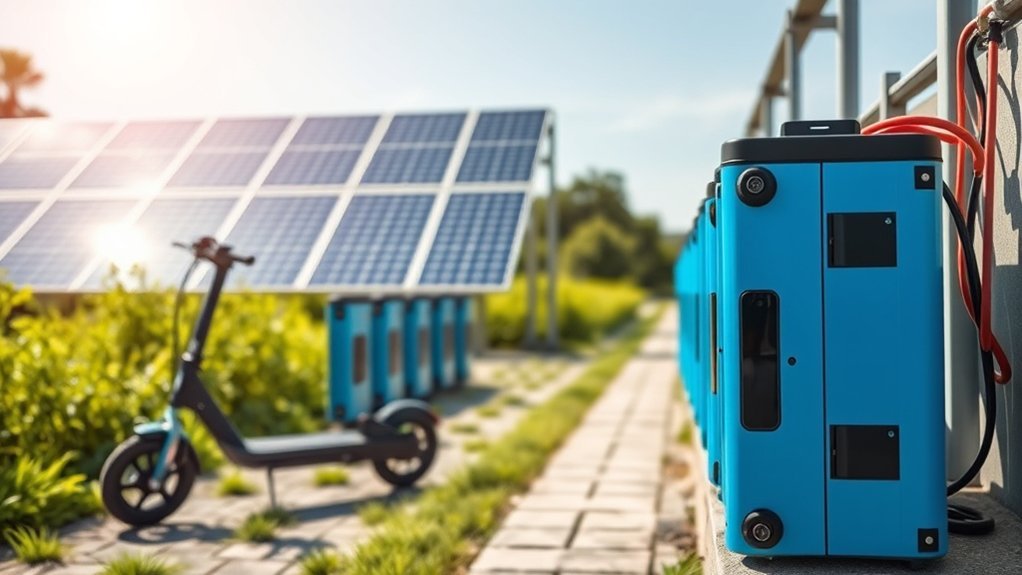
LiFePO4 batteries have gained significant traction in renewable energy and mobility sectors due to their high safety profile, long cycle life, and stable performance. They are extensively used in grid energy storage systems, where their durability enhances reliability and supports energy management. In electric vehicles, LiFePO4 batteries offer a robust and safe power source, facilitating rapid charging and discharging cycles essential for mobility. Their manufacturing processes emphasize environmentally conscious practices, including recycling initiatives that minimize waste and recover valuable materials. Battery recycling is particularly crucial to sustainability, ensuring raw material conservation and reducing ecological impact. These applications demonstrate how LiFePO4 batteries’ technical advantages combined with sustainable manufacturing practices make them integral to advancing renewable energy and mobility infrastructures.
How to Choose the Right LiFePO4 Battery for Your Needs
Selecting the appropriate LiFePO4 battery requires a careful assessment of your specific energy needs, operational conditions, and system compatibility. To optimize performance, consider factors like capacity, discharge rates, and cycle life. For example, high-capacity models suit large-scale energy storage, while rapid discharge models benefit portable applications. Additionally, evaluate environmental impact and battery recycling options to guarantee sustainability. When choosing, visualize the following:
- Capacity aligned with energy demand
- Discharge rate matching load requirements
- Longevity consistent with usage cycles
- Compatibility with existing systems
Understanding LiFePO4 Battery Charging and Maintenance Tips
Effective management of LiFePO4 batteries requires precise charging techniques, proper storage, and routine maintenance to guarantee longevity and safety. We must understand ideal voltage and current parameters during charging, as well as best practices for storing batteries at appropriate states of charge. Implementing systematic maintenance routines helps monitor performance and prevent capacity degradation over time.
Proper Charging Techniques
Have you ever wondered why proper charging techniques are essential for maintaining the performance and longevity of LiFePO4 batteries? Correct charging practices maximize the battery’s lifespan and efficiency by preventing overcharge, which can degrade chemical stability. Consistent, controlled charging aligns with manufacturing processes that guarantee high-quality, stable electrode materials. Proper charging involves:
- Using a dedicated charger with a lithium iron phosphate profile
- Avoiding full discharges to protect cell integrity
- Monitoring voltage levels to prevent exceeding 3.65V per cell
- Implementing regular maintenance for peak cycle life
Adhering to these techniques supports sustainable practices like battery recycling, reducing environmental impact. Understanding these methods highlights the importance of precise manufacturing processes that produce resilient, recyclable batteries, ultimately extending their useful life and performance.
Optimal Storage Practices
Ever wondered how to best preserve the performance and lifespan of your LiFePO4 batteries during periods of inactivity? Essential storage practices involve maintaining a state of charge around 50-70%, avoiding deep discharges that can harm cell chemistry. Temperature control is key; storing batteries in a cool, dry environment minimizes capacity loss and reduces environmental impact by limiting degradation. Proper storage also facilitates responsible recycling processes, ensuring components are recoverable rather than ending up as waste. Regularly inspecting batteries for signs of swelling or corrosion helps prevent environmental hazards. Implementing these practices extends battery life, reduces the need for frequent replacements, and supports sustainable recycling efforts, ultimately minimizing ecological footprint throughout the battery’s lifecycle.
Regular Maintenance Routines
To guarantee peak performance and longevity of LiFePO4 batteries, regular maintenance routines must include precise charging practices and vigilant monitoring. Proper charging involves avoiding overcharging, maintaining a consistent voltage, and using compatible chargers to prevent capacity degradation. Monitoring should focus on temperature, voltage, and state of charge, reducing risks of thermal runaway. Additionally, integrating battery recycling protocols ensures environmental sustainability, while cost analysis helps maximize maintenance investments. Visualize these routines as:
- Checking and calibrating voltage levels during charge cycles
- Inspecting for corrosion or physical damage regularly
- Using data logging to track performance trends
- Planning recycling and disposal based on lifecycle assessments
These practices enable informed decisions that extend battery life and reduce long-term costs, ensuring top-tier performance and environmental responsibility.
Potential Challenges and Limitations of LiFePO4 Technology
While LiFePO4 batteries offer notable advantages, they also present several challenges that can impact their widespread adoption. One primary concern is the environmental impact of manufacturing processes, which involve mining raw materials like lithium and phosphorus, raising sustainability questions. Additionally, manufacturing challenges include ensuring consistent quality control and addressing potential safety issues during cell assembly. The environmental footprint extends beyond production, as recycling and disposal methods need further development to minimize ecological harm. Furthermore, the relatively high cost of raw materials and complex manufacturing procedures can hinder large-scale deployment. Addressing these challenges requires technological advancements and sustainable practices to improve overall lifecycle impacts, making LiFePO4 technology more accessible and environmentally responsible in the future.
Comparing Lifepo4 Batteries With Other Lithium Battery Types
LiFePO4 batteries are often compared to other lithium-based chemistries, such as lithium-ion (Li-ion) and lithium-polymer (LiPo) batteries, due to their distinct performance characteristics and applications. They generally offer a longer battery lifespan, with more charge cycles before capacity diminishes, and are known for greater thermal stability. Compared to Li-ion and LiPo, LiFePO4 batteries have a lower environmental impact because they contain fewer toxic materials and are more easily recyclable. Visualize these differences as:
- Extended lifespan with consistent performance over time
- Safer thermal profile, reducing fire risks
- Lower environmental footprint during disposal
- More stable, reliable power delivery
These factors make LiFePO4 a preferred choice in applications demanding durability and eco-friendliness.
Future Trends and Innovations in LiFePO4 Battery Technology
Advancements in materials science and manufacturing processes are driving rapid innovations in LiFePO4 battery technology. We see promising developments in wireless charging systems, which could streamline integration in portable and stationary applications, reducing wear on connectors and improving device longevity. Additionally, ongoing research into recycling methods aims to enhance sustainability by developing efficient, eco-friendly processes for reclaiming lithium, iron, and phosphate materials. These innovations not only extend battery lifespan but also address environmental concerns associated with battery disposal. We anticipate that future breakthroughs will leverage improved electrode materials and advanced manufacturing techniques to boost energy density and cycle life further. Together, these trends suggest a more sustainable, efficient, and versatile landscape for LiFePO4 batteries, aligning performance with environmental responsibility.
Frequently Asked Questions
Are Lifepo4 Batteries Safe for All Temperatures?
Lifepo4 batteries offer excellent thermal stability and broad temperature tolerance, but they’re not safe at extreme temperatures. We recommend monitoring environmental conditions closely to prevent overheating or freezing, ensuring ideal performance and safety across various applications.
How Long Do Lifepo4 Batteries Typically Last?
We find Lifepo4 batteries typically last 8-10 years, with durability factors like proper charge management and temperature control influencing their lifespan. Investigating these elements reveals their resilience and reliability over extensive use.
Can Lifepo4 Batteries Be Recycled Easily?
Lifepo4 batteries can be recycled, but recycling challenges exist due to complex materials, impacting their environmental footprint. We analyze these processes to improve efficiency and reduce environmental impact, emphasizing the importance of advanced recycling techniques for sustainable battery management.
What Is the Cost Difference Between Lifepo4 and Traditional Batteries?
Like a tightrope walker balancing costs, we find Lifepo4 batteries generally cost more upfront—around 2 to 3 times higher—yet offer longer lifespan and stability. Market pricing favors traditional batteries initially, but Lifepo4’s durability shifts the balance over time.
Are Lifepo4 Batteries Suitable for High-Drain Devices?
Yes, Lifepo4 batteries excel in high-drain devices due to their stable battery capacity and fast charging speed. These features enable consistent power delivery and quick recharge cycles, making them highly suitable for demanding applications.
Conclusion
In summary, LiFePO4 batteries offer a compelling balance of safety, longevity, and environmental sustainability—attributes vital for a sustainable future. With over 20 million units deployed worldwide, their adoption underscores their reliability and growing significance in energy storage solutions. As technology advances, we can expect further enhancements in energy density and cost-effectiveness, solidifying LiFePO4’s role in powering cleaner, safer, and more resilient energy systems.