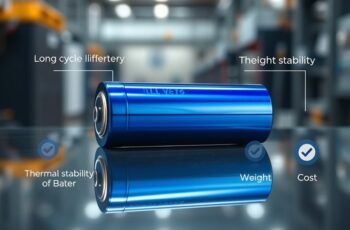
Like a steady lighthouse guiding ships through foggy waters, LiFePO4 batteries stand out in the landscape of energy storage, offering a compelling blend of safety, durability, and environmental stability. While their advantages are clear, understanding how they compare to traditional and other lithium-ion options reveals nuances that could influence your choice. As we explore their mechanics, costs, and applications, you’ll see why these batteries are increasingly considered a reliable cornerstone for sustainable energy solutions—and whether they truly meet your specific needs.
Key Takeaways
- Lifepo4 batteries offer superior safety due to stable chemistry, reducing explosion and thermal runaway risks.
- They have a longer cycle life (2,000-5,000 cycles), enhancing durability and reducing replacement costs.
- Their thermal stability and eco-friendly materials make them safer and more environmentally sustainable.
- While initially more expensive, their longevity and low maintenance improve overall cost-effectiveness.
- They are ideal for renewable energy storage and electric vehicles due to high performance and reliability.
What Are Lifepo4 Batteries and How Do They Work?
Have you ever wondered what makes LiFePO4 batteries stand out from other lithium-ion types? Their distinct chemistry guarantees superior battery safety, reducing risks of thermal runaway and fires. During manufacturing processes, strict quality controls minimize defects, enhancing reliability. LiFePO4 batteries operate through a stable cathode material, lithium iron phosphate, which provides a robust structure that resists overcharging and deep discharge. This chemistry results in longer cycle life and thermal stability. Unlike other lithium-ion variants, their safety profile stems from the chemical stability of the phosphate compound, which suppresses dangerous reactions under stress. Consequently, their design emphasizes safety and durability, making them suitable for high-demand applications. Understanding how these batteries work underscores their resilience and the importance of meticulous manufacturing to ensure consistent performance.
What Are the Main Advantages of Lifepo4 Batteries?
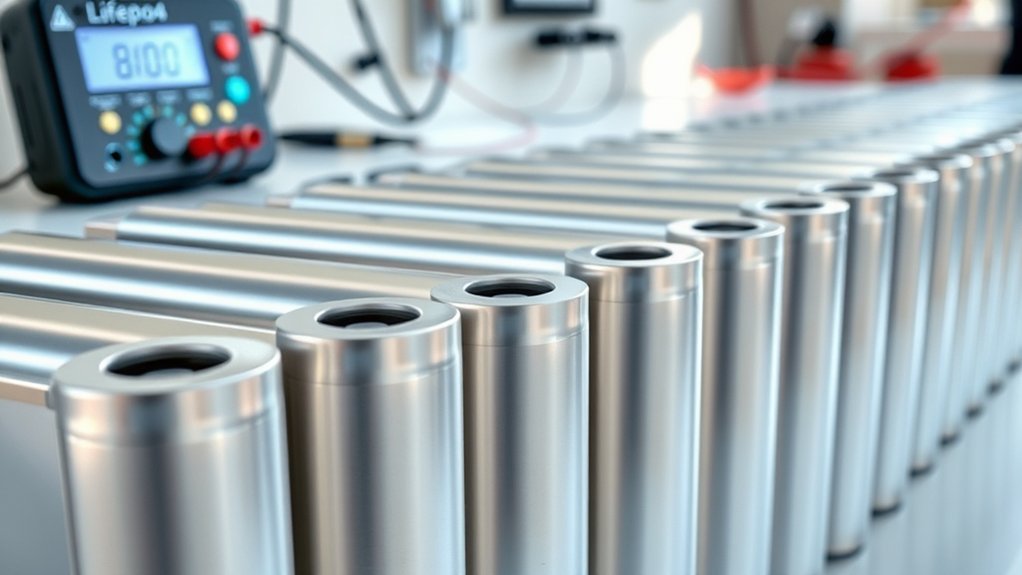
LiFePO4 batteries offer several compelling advantages that set them apart from other lithium-ion chemistries. Their inherent stability enhances battery safety by reducing risks of thermal runaway and fires. Additionally, they boast a lower environmental impact due to the absence of toxic heavy metals like cobalt. This makes recycling and disposal more sustainable. The table below summarizes key benefits:
| Advantage | Explanation | Impact |
|---|---|---|
| Battery safety | More stable chemistry minimizes explosion risk | Safer for users and applications |
| Environmental impact | Non-toxic materials reduce ecological footprint | Eco-friendly disposal |
| Longevity | Extended cycle life enhances durability | Cost-effective over time |
These attributes make Lifepo4 batteries a technically superior choice for many applications.
Are Lifepo4 Batteries Cost-Effective Compared to Traditional Batteries?
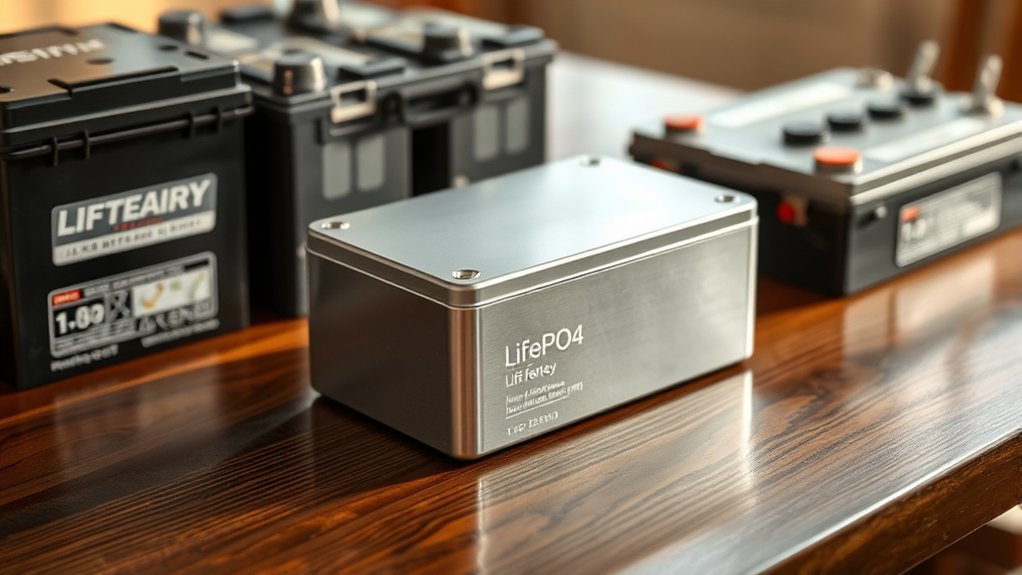
Although the initial purchase price of Lifepo4 batteries can be higher than traditional lead-acid or other lithium-ion options, their overall cost-effectiveness becomes evident when considering long-term performance and maintenance costs. Market trends show increasing adoption driven by their superior cycle life, stability, and lower replacement frequency, which reduces total ownership costs. Additionally, Lifepo4 batteries have a lower environmental impact through reduced hazardous waste and energy-efficient manufacturing processes. While the upfront investment is higher, their durability and safety features lead to decreased maintenance expenses and longer intervals between replacements. Consequently, the combination of extended lifespan, improved safety, and favorable environmental profile supports their cost-effectiveness, making Lifepo4 batteries a strategic choice for consumers aiming to optimize long-term value.
What Are the Potential Drawbacks of Using Lifepo4 Batteries?
Despite their many advantages, Lifepo4 batteries present certain drawbacks that users should carefully consider. One concern is their environmental impact, particularly related to the manufacturing process and disposal. While Lifepo4 batteries are generally safer and produce fewer toxic emissions, their production involves resource-intensive processes that can contribute to environmental degradation. Recycling challenges also pose significant issues; although the chemistry makes them more environmentally friendly than other lithium-ion batteries, recycling infrastructure is still developing. Proper disposal requires specialized facilities to recover valuable materials and prevent pollution. Without effective recycling systems, the long-term environmental benefits of Lifepo4 batteries could be compromised. Consequently, understanding these drawbacks is essential for making informed decisions about their sustainable use and better management of their lifecycle impacts.
Which Applications Benefit Most From Lifepo4 Batteries?
Renewable energy storage and electric vehicle performance are prime applications where Lifepo4 batteries demonstrate clear advantages. Their stability, longevity, and safety features make them ideal for large-scale energy systems and high-demand transportation solutions. Analyzing these applications highlights how Lifepo4’s technical benefits directly translate into operational efficiencies.
Renewable Energy Storage
Which applications stand to gain the most from LiFePO4 batteries in renewable energy storage? These batteries excel in grid stabilization, solar, and wind energy systems due to their high cycle life and thermal stability. Their safety profile reduces risks associated with thermal runaway, making them suitable for large-scale installations. Additionally, their environmentally friendly composition minimizes environmental impact, especially when paired with effective battery recycling strategies. Lifepo4 batteries’ long lifespan reduces replacement frequency, decreasing waste and resource consumption. Their stable chemistry supports consistent energy discharge, essential for renewable sources’ intermittent nature. Overall, these qualities make Lifepo4 batteries a sustainable, efficient choice for renewable energy storage applications, aligning with environmental and operational goals.
Electric Vehicle Performance
How do Lifepo4 batteries enhance electric vehicle performance compared to other chemistries? They offer superior thermal stability, which reduces overheating risks during high-demand operation, and have a longer lifecycle, lowering total cost of ownership. Their stable chemistry supports rapid charging without degrading battery integrity. Additionally, Lifepo4 batteries are environmentally friendly due to easier battery recycling processes and reduced toxic material use, minimizing environmental impact. The table below compares key performance metrics:
| Feature | Lifepo4 | Lead-Acid | NMC |
|---|---|---|---|
| Cycle Life | 2000+ cycles | 500-1000 cycles | 1000-2000 cycles |
| Thermal Stability | High | Moderate | Moderate |
| Environmental Impact | Low (easier recycling) | Higher (toxic materials) | Moderate |
This makes Lifepo4 ideal for electric vehicles prioritizing longevity, safety, and sustainability.
How Do Lifepo4 Batteries Compare to Other Lithium-Ion Options?
LiFePO4 batteries distinguish themselves from other lithium-ion chemistries through their superior safety profile, longer lifespan, and thermal stability. Their battery chemistry offers enhanced thermal stability, reducing risks of thermal runaway and fires. However, compared to alternatives like NMC or NCA, LiFePO4 generally has a lower energy density, meaning less energy storage per unit volume or weight. While this limits their application in high-energy-demand scenarios, their consistent performance and safety advantages make them ideal for stationary storage and electric vehicles where longevity and reliability are prioritized. The chemical structure of LiFePO4 contributes to its stability, but the trade-off remains in energy density, which might be a limiting factor for certain high-performance applications. Overall, LiFePO4’s benefits outweigh its limitations in specific use cases.
What Should You Consider When Choosing a Lifepo4 Battery?
When selecting a Lifepo4 battery, we need to analyze key factors such as capacity and size to guarantee it meets our power requirements without unnecessary bulk. Charging and discharging rates are critical for optimizing performance and lifespan, so understanding these specifications helps prevent system failures. Additionally, evaluating longevity and warranty coverage provides insight into the long-term reliability and total cost of ownership.
Battery Capacity and Size
Selecting the appropriate battery capacity and size requires careful assessment of your application’s power demands and spatial constraints. Battery chemistry influences capacity, as Lifepo4 batteries offer high energy density with stable performance over time. When considering size, a clear size comparison helps determine if a compact form factor fits your setup without sacrificing capacity. Larger batteries deliver increased capacity but may require more space, impacting installation flexibility. Conversely, smaller batteries with comparable capacity may involve multiple units, affecting weight and complexity. Evaluating your system’s current draw and future expansion plans ensures adequate capacity selection. Ultimately, understanding the interplay between battery chemistry and size comparison helps you choose a Lifepo4 battery that balances performance, size, and longevity for your specific needs.
Charging and Discharging Rates
Understanding the charging and discharging rates of a Lifepo4 battery is essential for optimizing performance and guaranteeing safety. These rates determine how quickly a battery can be charged or discharged without compromising its integrity. Exceeding recommended rates can cause thermal stress and reduce overall lifespan, impacting battery recycling efforts and increasing environmental impact. To illustrate, consider the following:
| Charging Rate | Discharging Rate |
|---|---|
| 0.5C to 1C | 1C to 3C |
| Balanced for longevity | Optimized for power delivery |
| Affects cycle life | Affects system efficiency |
Choosing a battery with appropriate rates ensures sustainable use and minimizes environmental footprint, aligning performance with responsible disposal and recycling practices.
Longevity and Warranty
Evaluating a Lifepo4 battery’s longevity and warranty coverage is crucial to guaranteeing reliable performance over its lifespan. Lifepo4 batteries typically offer a longer cycle life—often 2,000 to 5,000 cycles—reducing replacement frequency and overall lifecycle costs. An extensive warranty reflects manufacturer confidence and provides security against early failure. When considering longevity, it’s vital to analyze how the battery’s design impacts its durability and how well it supports sustainable practices like battery recycling, which minimizes environmental impact. A robust warranty can also indicate better quality control. Ultimately, choosing a Lifepo4 battery with proven longevity and a solid warranty not only guarantees reliability but aligns with eco-conscious goals by supporting responsible disposal and recycling practices.
Is a Lifepo4 Battery Right for Your Needs?
When considering whether a Lifepo4 battery suits your application, evaluating its core advantages and limitations relative to your specific power needs is vital. Lifepo4 batteries offer high energy density, fast charging, and excellent thermal stability, making them suitable for diverse uses. However, their initial cost and specific voltage profiles may pose challenges. From an environmental perspective, Lifepo4 batteries have a lower environmental impact due to safer chemistries and easier battery recycling processes. This reduces long-term waste concerns compared to other chemistries. Still, determining whether their capacity aligns with your energy demands is essential. If sustainability and lifecycle management are priorities, Lifepo4 batteries could be a strategic choice, provided their performance metrics match your technical requirements.
Frequently Asked Questions
How Long Do Lifepo4 Batteries Typically Last Before Needing Replacement?
Lifepo4 batteries typically last 8-10 years or around 2,000-3,000 charging cycles, depending on usage. Their battery capacity remains stable over time, making them a reliable choice for long-term applications with proper maintenance.
Are Lifepo4 Batteries Environmentally Friendly and Recyclable?
We believe LiFePO4 batteries are environmentally friendly, thanks to their stable chemical composition and safer recycling processes. While not entirely risk-free, they offer a greener option, and ongoing improvements aim to close the recycling loop efficiently.
What Safety Features Do Lifepo4 Batteries Include?
We find Lifepo4 batteries incorporate safety features like robust battery manufacturing standards and strict charging protocols, preventing overcharge and thermal runaway, ensuring safer operation. These technical safeguards make them a reliable choice for various applications.
Can Lifepo4 Batteries Be Used in Extreme Weather Conditions?
Lifepo4 batteries stand strong like a fortress, thanks to their temperature resilience and material durability. We find they perform reliably in extreme weather, maintaining safety and efficiency, making them a smart choice for challenging environments.
How Do Lifepo4 Batteries Perform in High-Drain Applications?
Lifepo4 batteries excel in high-drain applications due to their stable battery chemistry, providing consistent power stability under heavy loads. We find their rapid charge acceptance and minimal voltage sag make them ideal for demanding, high-current scenarios.
Conclusion
In summary, while LiFePO4 batteries offer remarkable safety, longevity, and environmental benefits, their true potential depends on your specific application. Are they the perfect choice for your energy needs? The answer lies in understanding their capabilities and limitations in detail. As the landscape of energy storage evolves, the decision becomes more nuanced. Stay tuned—there’s more to uncover about whether LiFePO4 is the right fit for your future.