Like pioneers steering uncharted territory, we must carefully weigh the advantages and limitations of LiFePO4 batteries before making a decision. These batteries promise safety, longevity, and environmental benefits, but come with higher upfront costs and specific maintenance needs. To determine if they suit your application, we need to analyze their performance, costs, and long-term value — considerations that could profoundly influence your choice. Let’s explore whether this technology aligns with your energy goals.
Key Takeaways
- LiFePO4 batteries offer superior safety due to stable chemistry and thermal stability.
- They have a longer cycle life, reducing replacement costs over time.
- Their environmental benefits include lower toxicity and easier recyclability.
- Higher initial costs are offset by reduced maintenance and longer lifespan.
- Ideal for off-grid, renewable energy, and electric vehicle applications requiring reliable, eco-friendly power.
What Are the Main Benefits of LiFePO4 Batteries?
LiFePO4 batteries are increasingly favored due to their notable advantages in safety, longevity, and performance. Their stable chemistry minimizes thermal runaway risks, making them safer for various applications. Additionally, these batteries boast a longer cycle life, reducing replacement frequency and overall lifecycle costs. From an environmental perspective, LiFePO4 batteries have a lower environmental impact, partly because they are more amenable to sustainable battery recycling processes. This recyclability helps mitigate concerns about hazardous waste and resource depletion. Their reduced need for maintenance and longer lifespan contribute to less frequent disposal, further lowering environmental footprint. Overall, these features position LiFePO4 batteries as a technically and environmentally advantageous choice, aligning safety, efficiency, and eco-consciousness in energy storage solutions.
How Do LiFePO4 Batteries Compare to Traditional Lead-Acid Options?
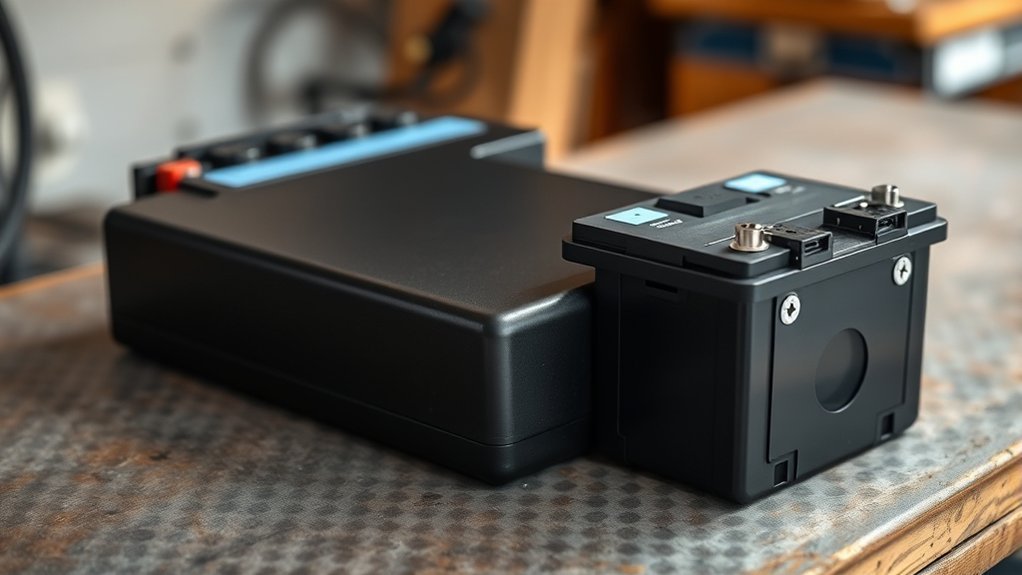
While traditional lead-acid batteries have been the standard for decades, they often fall short in areas such as cycle life, weight, and maintenance requirements when compared to newer technologies like LiFePO4 batteries. The battery chemistry of LiFePO4 offers higher energy density, longer cycle life, and greater thermal stability, which translates to improved performance and safety. Additionally, LiFePO4 batteries are markedly lighter, reducing logistical and installation burdens. From an environmental perspective, the recycling impact of LiFePO4 is less severe than that of lead-acid, which contains toxic materials requiring careful disposal. Overall, the technical advantages of LiFePO4 in performance and sustainability make them a compelling alternative to traditional lead-acid options, especially in applications demanding longevity and reduced environmental footprint.
What Factors Should You Consider Before Buying a LiFePO4 Battery?

Before investing in a LiFePO4 battery, it is essential to evaluate several key factors to guarantee it meets your specific needs. Battery safety is paramount; LiFePO4 batteries are inherently safer than other lithium variants due to their stable chemistry, reducing risks of thermal runaway. Assessing the environmental impact is also critical, as LiFePO4 batteries have a lower toxicity profile and are more environmentally friendly than traditional lead-acid options. Consider the battery’s lifespan, recharge efficiency, and degradation rate, which influence long-term sustainability. Additionally, verify compatibility with your system’s voltage and capacity requirements. Focusing on these factors ensures that the battery’s safety, environmental footprint, and operational performance align with your goals, providing a reliable, eco-conscious energy solution.
Is a LiFePO4 Battery Cost-Effective for Your Needs?
Evaluating the cost-effectiveness of a LiFePO4 battery requires careful analysis of both upfront expenses and long-term savings. Although the initial investment is higher than traditional batteries, savings accrue through:
- Longer lifespan, reducing replacement frequency
- Higher cycle life, supporting sustained energy output
- Lower maintenance costs, minimizing operational expenses
- Improved safety and stability, decreasing risk-related costs
Additionally, considering battery recycling and environmental impact is essential. LiFePO4 batteries are more environmentally friendly due to safer chemistry and easier recycling processes, which can offset costs over time. While the upfront price may seem steep, the durability, reduced maintenance, and ecological benefits make them a cost-effective choice for many applications.
Who Should Consider Using a LiFePO4 Battery?
Individuals with off-grid power requirements often benefit from the stable, long-lasting performance of LiFePO4 batteries. Electric vehicle enthusiasts appreciate their high cycle life and safety features, which enhance overall efficiency and reliability. Consequently, these groups should carefully evaluate LiFePO4 technology as a strategic energy solution.
Off-Grid Power Needs
Off-grid power systems demand reliable, long-lasting energy sources, and LiFePO4 batteries have become a compelling option due to their superior safety, lifespan, and performance characteristics. For those managing off-grid setups, these batteries excel in scenarios like:
- Sustaining remote cabins with minimal maintenance.
- Supporting solar or wind energy systems during extended periods of low sunlight or wind.
- Reducing replacement frequency, therefore lowering lifecycle costs.
- Minimizing environmental impact through enhanced battery recycling processes that mitigate waste and pollution.
Their durability ensures consistent power, while their safer chemistry reduces risks. Considering environmental impact, LiFePO4 batteries offer advantages over traditional lead-acid options, especially when paired with responsible disposal and recycling practices that diminish ecological footprint.
Electric Vehicle Enthusiasts
Are LiFePO4 batteries suitable for electric vehicle enthusiasts seeking ideal performance and longevity? Their battery chemistry offers high thermal stability and consistent voltage output, making them well-suited for EV applications demanding reliability. These batteries excel in cycle life, reducing replacement frequency and total cost of ownership. Additionally, their environmental impact is particularly lower than other lithium-ion chemistries, due to fewer toxic materials and safer disposal options. Enthusiasts prioritizing sustainability will find LiFePO4’s eco-friendly profile advantageous. The combination of stable performance, extended lifespan, and reduced environmental footprint makes them a compelling choice for those committed to long-term efficiency and responsible energy use. Overall, LiFePO4 batteries align well with the needs of dedicated electric vehicle users seeking durability and environmental consciousness.
How Do You Properly Maintain and Maximize the Lifespan of a LiFePO4 Battery?
Maintaining a LiFePO4 battery requires precise charging protocols to prevent over- or under-voltage conditions that can degrade its capacity. Regular maintenance, such as monitoring voltage levels and ensuring proper thermal management, is essential for longevity. By adhering to these techniques, we can optimize performance and extend the battery’s effective lifespan.
Proper Charging Techniques
Proper charging techniques are essential for maximizing the lifespan and performance of a LiFePO4 battery. Adhering to proper procedures guarantees battery safety and ideal charging speed, preventing overvoltage and overheating.
To achieve this, consider these key practices:
- Use a charger specifically designed for LiFePO4 chemistry, guaranteeing voltage and current parameters are accurate.
- Maintain a steady charging speed—avoid rapid charging that can stress cells and reduce longevity.
- Keep the voltage within the recommended range—typically around 3.65V per cell—to prevent overcharging.
- Monitor temperature during charging; excessive heat can compromise safety and battery integrity.
Implementing these strategies helps preserve battery health and secure safe, efficient operation over time.
Regular Maintenance Practices
To maximize the lifespan of a LiFePO4 battery, consistent and methodical maintenance is vital, as neglect can lead to capacity loss and reduced safety margins. Regular monitoring of voltage and temperature guarantees peak performance and prevents over-discharge or overheating, which compromise longevity. Proper storage safety involves maintaining a stable, cool environment, ideally at 40-60% state of charge, to minimize capacity degradation. Additionally, adhering to responsible battery recycling protocols is essential when the battery reaches end-of-life, reducing environmental impact and reclaiming valuable materials. Routine inspections for physical damage and corrosion further preserve safety and functionality. Implementing these maintenance practices helps extend operational life, sustains safety standards, and promotes environmentally sustainable disposal through proper recycling.
Frequently Asked Questions
Are Lifepo4 Batteries Safe for All Applications?
We find LiFePO4 batteries generally safe for many applications due to their stable chemistry, low environmental impact, and manageable battery weight. However, proper handling and compatibility assessments are crucial, especially in high-stress or sensitive environments.
How Long Do Lifepo4 Batteries Typically Last?
Lifepo4 batteries typically last 8 to 10 years, with a usage lifespan of around 2,000 to 3,000 charge cycles. Their longevity hinges on proper management, making them a resilient choice in energy storage.
Can Lifepo4 Batteries Be Recycled Easily?
Yes, LiFePO4 batteries can be recycled through established recycling processes, reducing environmental impact by recovering valuable materials. These processes are efficient, minimizing waste and promoting sustainability, making LiFePO4 batteries a more eco-friendly energy storage option.
What Are the Charging Requirements for Lifepo4 Batteries?
Charging our LiFePO4 batteries demands precise control, akin to tuning a fine instrument, balancing voltage and current for ideal battery maintenance. They charge at a moderate speed, ensuring longevity while preventing overheating or damage through proper voltage regulation.
Do Lifepo4 Batteries Perform Well in Cold Temperatures?
We find that LiFePO4 batteries perform adequately in cold weather, but their battery lifespan can be affected. Cold temperatures reduce capacity temporarily, so we recommend thermal management strategies to optimize performance and longevity in cold environments.
Conclusion
In weighing our options, selecting a LiFePO4 battery presents a nuanced balance of benefits and considerations. Its longevity and safety profile often outweigh the initial investment, especially when durability and environmental impact are priorities. By carefully analyzing our specific needs and maintenance strategies, we can navigate toward an informed choice that aligns with our sustainable and performance goals. Ultimately, embracing this technology offers a refined pathway to reliable, eco-conscious energy management.