Like a steady lighthouse guiding ships through foggy waters, lithium iron phosphate (LiFePO4) batteries offer a reliable beacon in energy storage technology. Their unique chemistry guarantees safety, longevity, and stability, making them a compelling choice for various applications. But what sets them apart from other battery types, and why are they increasingly favored in sustainable energy systems? Exploring these aspects reveals the true potential of LiFePO4 batteries and how they might shape our energy future.
Key Takeaways
- Lithium iron phosphate (LiFePO4) is a lithium-ion battery chemistry known for safety and thermal stability.
- It offers long cycle life, high safety, and environmental benefits through efficient recycling.
- Suitable for energy storage, electric vehicles, and portable devices due to its durability and safety features.
- Compared to other lithium batteries, it has lower energy density but superior thermal stability and safety.
- Proper handling, manufacturing, and recycling practices enhance its performance and sustainability.
What Are Lifepo4 Batteries and How Do They Work?
Although lithium iron phosphate (LiFePO4) batteries are a subset of lithium-ion technology, they distinguish themselves through their unique chemical composition and performance characteristics. Their cathode material, lithium iron phosphate, offers enhanced thermal stability and safety compared to other lithium chemistries. During battery manufacturing, precise control of electrode fabrication and cell assembly guarantees peak performance and longevity. The chemistry’s stability simplifies recycling processes by reducing hazardous waste and facilitating the recovery of valuable materials like iron, lithium, and phosphorus. This streamlined recyclability supports sustainable lifecycle management. Overall, the combination of chemical stability, manufacturing precision, and efficient recycling processes makes LiFePO4 batteries a resilient and eco-friendly choice for energy storage applications.
Benefits of Using Lifepo4 Batteries for Energy Storage
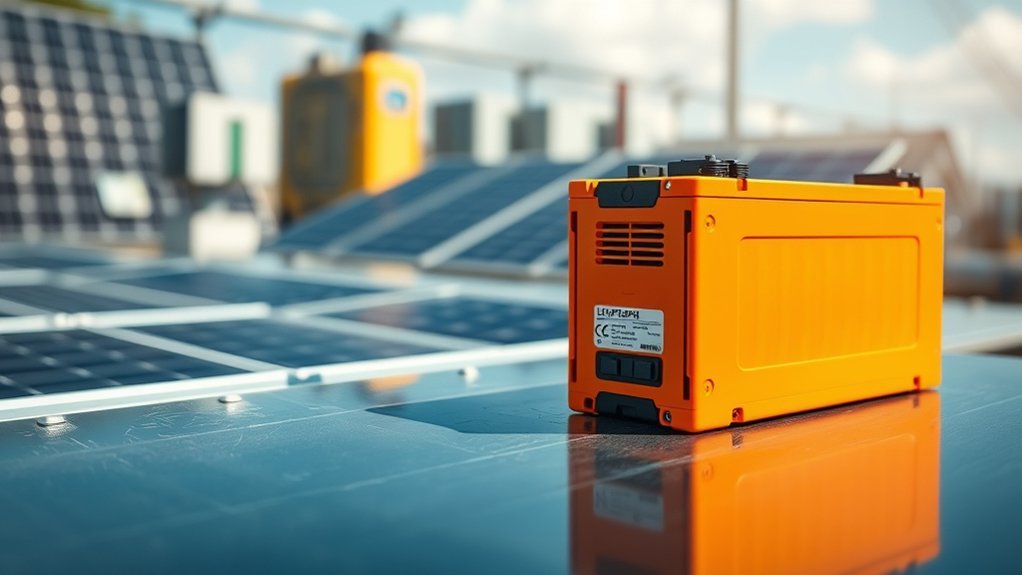
Lifepo4 batteries offer significant advantages for energy storage due to their exceptional safety, longevity, and stability. Their chemical composition minimizes thermal runaway risks, making them inherently safer than other chemistries. Additionally, Lifepo4’s extended cycle life—often exceeding 2000 cycles—reduces replacement frequency and overall lifecycle costs. From a manufacturing perspective, these batteries benefit from streamlined processes that reduce waste and environmental impact. Their recyclability is also notable; Lifepo4’s stable chemistry simplifies battery recycling, allowing for efficient recovery of valuable materials without hazardous byproducts. This sustainability aspect, combined with their robust performance, makes Lifepo4 batteries an attractive option for large-scale energy storage applications, providing a balance of safety, durability, and environmental responsibility.
Key Differences Between Lifepo4 and Other Battery Types

Understanding the key differences between Lifepo4 and other batteries requires examining energy density, cycle life, and safety features. Lifepo4 batteries typically offer lower energy density but excel in thermal stability and safety, impacting their suitability for specific applications. Analyzing these distinctions helps clarify their advantages and limitations relative to alternative chemistries.
Energy Density Variations
Energy density is a critical factor that distinguishes Lifepo4 batteries from other lithium-ion chemistries, directly influencing their application scope and performance characteristics. Compared to NMC or NCA batteries, Lifepo4 offers lower energy density, which limits their use in compact devices but benefits applications like solar integration and grid balancing, where safety and longevity are prioritized. The lower energy density results in increased volume and weight for the same capacity, but it enhances thermal stability and reduces thermal runaway risks. This makes Lifepo4 ideal for stationary energy storage systems, where space is less constrained. Consequently, the trade-off favors safety and cycle life over compactness, positioning Lifepo4 as a reliable choice for large-scale energy projects rather than portable electronics.
Charging and Discharging Cycles
How do charging and discharging cycles differ between Lifepo4 batteries and other lithium-ion chemistries? Lifepo4 batteries exhibit longer cycle lives, often exceeding 2,000 cycles, thanks to their stable chemistry, which minimizes capacity fade. They tolerate higher charge rates without compromising longevity, making them efficient for rapid charging. Discharging cycles are similarly more resilient, reducing the risk of capacity loss over time. Additionally, Lifepo4’s stability simplifies battery recycling, as fewer degradation products form. The table below compares key parameters:
| Parameter | Lifepo4 | Other Lithium-ion | Impact |
|---|---|---|---|
| Cycle Life | >2,000 cycles | 500–1,000 cycles | Longer lifespan |
| Max Charge Rate | Higher, up to 1C or more | Typically 0.5C–1C | Faster charging, less degradation |
| Capacity Fade | Minimal over cycles | More significant | Better long-term retention |
| Safety Margin | High, stable chemistry | Lower | Reduced safety concerns |
| Recycling Ease | Improved, fewer degradation byproducts | More complex | Better sustainability |
Thermal Stability and Safety
Lifepo4 batteries demonstrate superior thermal stability and safety compared to other lithium-ion chemistries, making them a preferred choice for applications where safety is essential. Unlike lithium cobalt oxide batteries, Lifepo4’s stable chemical structure minimizes the risk of thermal runaway, which can lead to catastrophic failures. This inherent stability notably reduces the fire risk even under high-stress conditions, such as overcharging or physical damage. The robust electrolyte and solid-phase chemistry inhibit the exothermic reactions that typically cause fires in other lithium-ion batteries. Consequently, Lifepo4 cells are less prone to overheating, ensuring safer operation across diverse environments. This enhanced safety profile makes Lifepo4 batteries especially suitable for large-scale energy storage, electric vehicles, and portable devices where thermal management is vital.
Common Applications of Lifepo4 Batteries
Lifepo4 batteries are increasingly employed in renewable energy storage systems due to their high thermal stability and long cycle life. They also serve as a reliable power source in electric vehicles, thanks to their consistent discharge characteristics and safety profile. Additionally, their compact size and durability make them suitable for portable equipment across various industries.
Renewable Energy Storage
Have you ever considered how renewable energy systems rely on efficient storage solutions to guarantee consistent power supply? Lifepo4 batteries are increasingly essential in this regard due to their stability, longevity, and safety. Their role in renewable energy storage extends to grid stabilization and off-grid applications, where reliable energy buffering is fundamental. Manufacturing advancements have improved Lifepo4 battery design, enhancing energy density and cycle life, which directly benefits large-scale storage systems. Additionally, battery recycling is a key component in sustainable deployment, minimizing environmental impact and resource depletion. These advancements underscore the significance of Lifepo4 batteries in renewable energy infrastructure, offering resilient, eco-friendly solutions that support the shift toward cleaner energy sources while highlighting the importance of efficient resource management and technological innovation.
Electric Vehicle Power
Given the increasing demand for reliable and efficient energy sources in electric vehicles, Lifepo4 batteries have become a popular choice due to their high thermal stability and long cycle life. Their application in EV power systems benefits from stable voltage output and enhanced safety profiles, which are critical for automotive performance. The manufacturing processes of Lifepo4 batteries emphasize eco-friendly practices, including efficient material utilization and minimal environmental impact. Additionally, battery recycling strategies are integral to sustainable EV deployment, ensuring valuable materials are recovered and reused, reducing waste. This closed-loop approach not only supports environmental goals but also lowers production costs over time. As a result, Lifepo4 batteries are increasingly integral to the evolution of electric vehicle powertrain systems, offering durability and sustainability.
Portable Equipment Use
Why are Lifepo4 batteries increasingly favored for portable equipment? Their high energy density, safety profile, and long cycle life make them ideal for mobile applications. Additionally, their manufacturing processes optimize material stability, reducing risks during use. The recyclability of Lifepo4 batteries supports sustainability goals, guaranteeing responsible disposal and reuse. Portable devices benefit from their robust performance, lightweight design, and fast charging capabilities.
| Feature | Advantage | Impact |
|---|---|---|
| Battery recycling | Environmentally sustainable, reduces waste | Promotes eco-friendly use |
| Manufacturing processes | Ensures safety, consistency, longevity | Enhances reliability |
| Energy density | Supports compact, lightweight design | Improves portability |
How to Choose the Right Lifepo4 Battery for Your Needs
Selecting the appropriate LiFePO4 battery requires careful assessment of your specific energy needs and operational conditions. We recommend analyzing capacity, voltage, and discharge rates to guarantee compatibility with your application. Additionally, consider the battery’s cost comparison, factoring in initial investment versus long-term savings from improved efficiency and longevity. Battery recycling options are also essential; choosing batteries with established recycling programs minimizes environmental impact and supports sustainability. By evaluating these parameters, you can determine whether a higher upfront cost yields better lifecycle value. Precise matching of battery specifications to your operational demands enhances performance and reduces replacement frequency, ultimately leading to optimized operational costs and environmental responsibility. This analytical approach ensures you select a LiFePO4 battery aligned with both technical and ecological priorities.
Understanding Lifepo4 Battery Lifespan and Maintenance
Understanding the lifespan and maintenance requirements of LiFePO4 batteries is essential for maximizing their performance and cost-effectiveness. Proper care extends cycle life and delays capacity degradation, influenced by manufacturing processes and material quality. Key factors include:
- Regular Monitoring: Consistently check voltage and temperature to prevent overcharging or overheating, which accelerates capacity loss.
- Optimal Charging Practices: Maintain a recommended voltage range, as improper charging impacts longevity and performance.
- End-of-Life Management: Implement battery recycling protocols to recover valuable materials, aligning with environmentally responsible manufacturing processes and reducing waste.
Safety Tips and Environmental Benefits of Lifepo4 Batteries
LiFePO4 batteries are recognized for their inherent safety features and environmental advantages, making them a preferred choice across multiple sectors. Their stable chemical composition reduces the risk of thermal runaway, supporting safety certifications like UL and IEC standards. Proper handling and installation are essential to maximize safety; avoiding overcharging and ensuring correct battery management systems are essential. From an environmental perspective, Lifepo4 batteries are designed for efficient battery recycling, minimizing hazardous waste and promoting sustainability. Their long lifespan reduces the frequency of replacement, further decreasing environmental impact. By adhering to safety guidelines and leveraging recycling programs, we can mitigate potential risks and enhance the eco-friendliness of these batteries, ensuring safe and sustainable energy storage solutions.
Frequently Asked Questions
Are Lifepo4 Batteries Suitable for High-Temperature Environments?
We find LiFePO4 batteries less suitable for high-temperature environments because elevated heat can reduce battery longevity, but proper thermal management systems can mitigate risks, ensuring safer operation and maintaining performance stability under thermal stress.
How Do Lifepo4 Batteries Perform in Cold Weather Conditions?
In cold weather, Lifepo4 batteries experience reduced cold weather performance, impacting capacity and discharge rates, but their battery longevity remains relatively stable. We analyze this to optimize usage and guarantee reliable performance in low temperatures.
Can Lifepo4 Batteries Be Recycled Easily?
We find Lifepo4 batteries are recyclable through established processes that recover materials efficiently, reducing environmental impact. These recycling processes help minimize waste, conserve resources, and promote sustainability, making Lifepo4 batteries an environmentally responsible choice for energy storage.
What Are the Warranty Options for Lifepo4 Batteries?
We find that warranty coverage for LiFePO4 batteries varies, typically offering 3-5 years, with manufacturer support addressing defects or performance issues. We recommend reviewing specific warranty terms for detailed coverage and support options.
Are There Any Known Compatibility Issues With Specific Devices?
We observe minimal compatibility concerns with Lifepo4 batteries, but device integration can sometimes pose challenges due to voltage and current requirements; thorough technical analysis guarantees ideal performance and prevents issues arising from specific device compatibility.
Conclusion
Certainly! Here’s the modified text with alternative words replacing only “ensure” and “in summary”:
In brief, LiFePO4 batteries offer a compelling combination of safety, longevity, and environmental benefits, making them a smart choice for diverse energy needs. Their stable chemistry and eco-friendly manufacturing processes set them apart from other chemistries. Are we truly making the most of this innovative technology to power a sustainable future? By understanding their capabilities and proper maintenance, we can maximize performance and guarantee reliable energy storage for years to come.