Imagine lifting two batteries of the same capacity—one a heavy brick, the other a feather. The stark difference in weight stems from their chemistry and construction, influencing not only portability but also overall system design. As we compare LiFePO4 and lead acid batteries, understanding these weight disparities becomes essential for optimizing performance and efficiency. What factors contribute to this gap, and how might they shape future choices?
Key Takeaways
- LiFePO4 batteries are approximately 50% lighter than equivalent lead-acid batteries due to higher energy density.
- The lightweight construction of LiFePO4 allows for easier handling and improved portability of devices.
- Lead-acid batteries are bulkier and heavier because of dense lead plates and sulfuric acid components.
- Reduced weight of LiFePO4 enhances vehicle efficiency, ease of installation, and space-saving design options.
- The lighter weight of LiFePO4 batteries contributes to longer lifespan and overall energy efficiency.
How Do LiFePO4 and Lead Acid Batteries Compare in Weight?
When comparing the weight of LiFePO4 and lead acid batteries, it’s essential to recognize that energy density plays a crucial role in overall weight. LiFePO4 batteries typically provide higher energy density, enabling a more compact design with less weight for equivalent capacity. This advantage directly impacts battery longevity, as the reduced weight often correlates with improved efficiency and longer lifespan due to less mechanical stress. Additionally, manufacturing costs for LiFePO4 are generally higher initially, but their lighter weight can reduce structural and support costs in applications where weight is critical. Conversely, lead acid batteries are heavier for the same capacity, which can lead to increased structural requirements and potentially shorter longevity due to the added mechanical strain. Therefore, weight differences are tightly linked to both longevity and manufacturing considerations.
Understanding the Weight Differences Between Lithium Iron Phosphate and Lead Acid Batteries
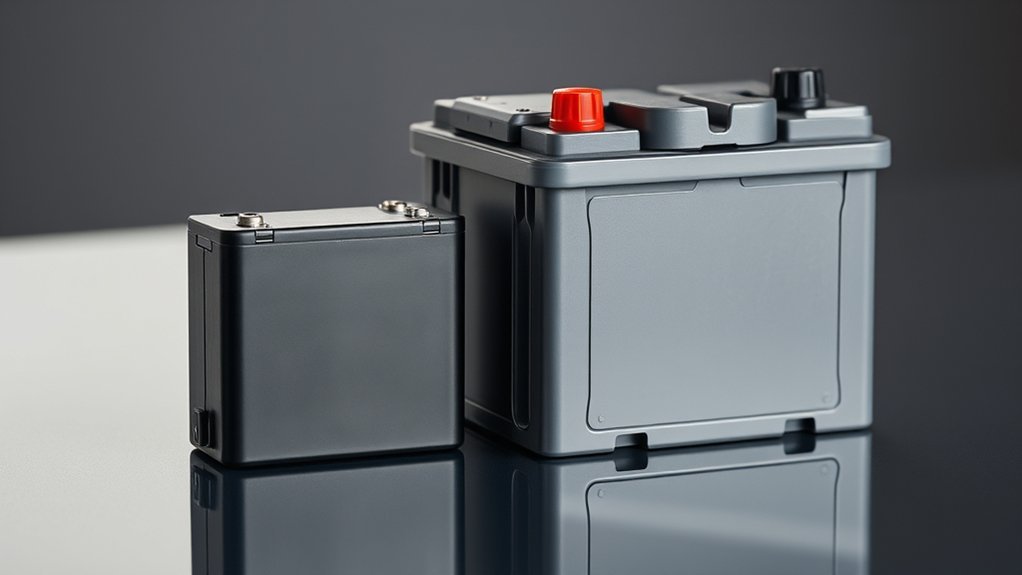
To accurately compare the weight differences between lithium iron phosphate (LiFePO4) and lead acid batteries, it’s essential to analyze their respective energy densities and construction materials. LiFePO4 batteries feature a higher energy density, allowing for more power storage in a smaller, lighter package, which directly impacts overall weight. Conversely, lead acid batteries require bulkier, heavier components due to their lower energy density. This weight disparity also influences battery longevity, as LiFePO4 cells typically last longer and maintain performance better over time. Manufacturing costs differ markedly, with LiFePO4 batteries often being more expensive upfront, but their reduced weight and longer lifespan can justify the investment. Overall, these factors contribute to the notable weight differences observed between the two battery types.
Why Does Weight Matter When Choosing a Battery for Portable Applications?
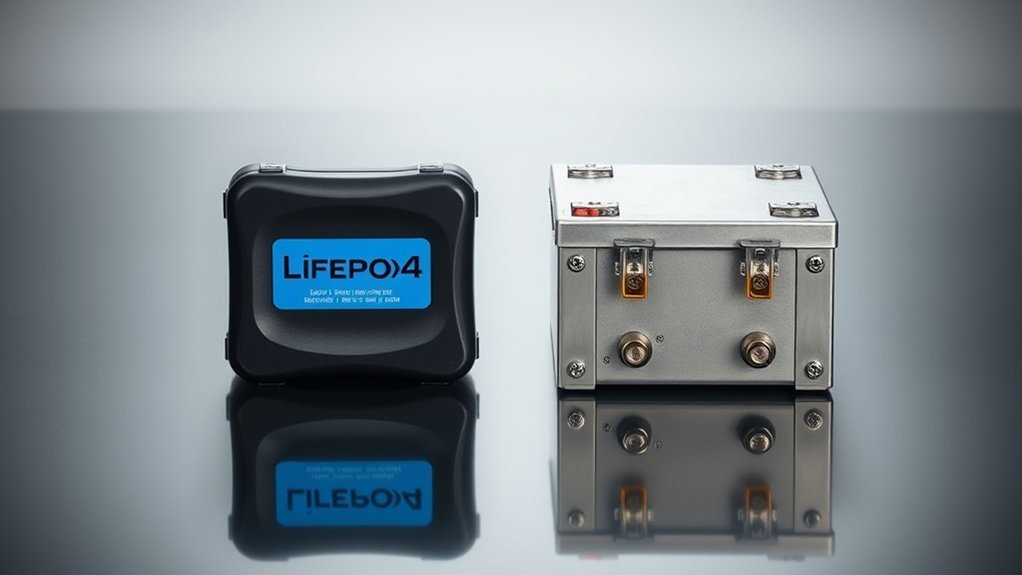
The weight of a battery directly affects its portability and ease of transport, which are critical in mobile applications. Heavier batteries can hinder device performance by adding strain or reducing efficiency, and they complicate handling and installation processes. Understanding these impacts helps in selecting a battery that optimizes both operational effectiveness and user convenience.
Portability and Ease of Transport
Weight considerably influences the portability and ease of transport of batteries, especially in applications requiring frequent movement or deployment in confined spaces. The battery’s chemistry directly affects its weight, as different chemistries possess varying material densities; for instance, Lithium Iron Phosphate (LiFePO4) batteries typically have a lower material density compared to lead-acid counterparts. This lower density results in a lighter overall weight, enhancing portability. Material density, combined with design considerations, determines how compact and manageable a battery is for portable use. Lighter batteries reduce strain during handling and simplify transportation logistics. Consequently, understanding how battery chemistry impacts weight through material density is essential when selecting a battery designed for mobility and ease of transport, particularly in applications where weight savings greatly improve operational efficiency.
Impact on Device Performance
Why does the weight of a battery considerably influence device performance in portable applications? Heavier batteries tend to increase strain on device components, potentially leading to reduced efficiency and faster wear. This added weight can also impact battery longevity, as increased physical stress may accelerate internal degradation. Additionally, lighter batteries like Lifepo4 often require advanced manufacturing processes, which can elevate manufacturing costs but improve overall performance stability. Conversely, heavier lead-acid batteries may offer lower initial costs but compromise device operation due to increased weight and reduced energy density. In portable systems, selecting a battery with an essential weight-performance balance is vital, as it directly affects device runtime, reliability, and long-term operational costs. Hence, weight considerations are integral to maximizing device performance and lifespan.
Handling and Installation Efficiency
Handling and installation of portable batteries are markedly affected by their weight, directly influencing operational efficiency and safety. Heavier batteries, like traditional lead acid types, pose challenges in transport and positioning, increasing the risk of damage during handling. Conversely, lighter Lifepo4 batteries improve ease of installation, reducing labor time and potential mishaps. Additionally, weight impacts battery durability; lighter designs often incorporate advanced materials that enhance charging cycles and overall longevity. Efficient handling minimizes stress on battery connections and mounting points, preserving integrity over repeated cycles. For portable applications, minimizing weight not only streamlines installation but also ensures consistent performance by reducing mechanical strain, which can otherwise compromise battery durability and cycle life. Ultimately, weight considerations directly relate to operational safety, maintenance, and long-term reliability.
How Much Lighter Are LiFePO4 Batteries Than Lead Acid Alternatives?
Have you ever wondered just how much lighter LiFePO4 batteries are compared to traditional lead-acid options? On average, LiFePO4 batteries are about 50% lighter for the same capacity, substantially reducing overall weight. This weight difference stems from their higher energy density and more efficient manufacturing processes, which also lower manufacturing costs over time. Furthermore, the extended battery lifespan of LiFePO4 units—often exceeding 2,000 charge cycles—contributes to their lighter design by enabling thinner, more streamlined construction without sacrificing durability. Consequently, these batteries not only improve portability but also optimize space and structural requirements. This combination of reduced weight, longer lifespan, and cost-effective manufacturing makes LiFePO4 a compelling alternative to bulkier, heavier lead-acid batteries.
Impact of Battery Weight on Performance and Handling
The reduced weight of LiFePO4 batteries considerably influences their performance and operational handling. Lighter batteries decrease overall system weight, enhancing efficiency and maneuverability, especially in mobile applications. This weight reduction often correlates with improved battery durability, as less physical stress reduces degradation over time. Additionally, lower weight can positively impact manufacturing costs by simplifying installation and reducing structural support requirements. However, the lighter design may also demand more precise engineering to maintain safety and longevity. The handling benefits extend to quicker installation and easier maintenance, which further improves operational uptime. Ultimately, the lighter weight of LiFePO4 batteries contributes to more responsive, durable, and cost-effective energy systems, making them a strategic choice for applications where performance and handling are critical.
Factors That Influence Battery Weight Beyond Chemistry Type
Beyond the chemistry itself, several factors profoundly influence a battery’s weight. One key element is the battery chemistry, which determines the inherent material density and structural requirements. For example, Lifepo4 and lead acid batteries differ in their chemical composition, affecting their internal design and weight distribution. Additionally, manufacturing processes substantially impact overall weight; advanced techniques like optimized electrode fabrication and precision assembly can reduce unnecessary material use. The choice of casing, separators, and reinforcement materials further influences weight, as sturdier designs tend to be heavier. Even cell configuration and internal architecture play roles, with more complex arrangements generally adding weight. Ultimately, these factors—beyond the fundamental chemistry—shape the final battery weight, emphasizing the importance of manufacturing efficiency and material selection in lightweight battery design.
Real-World Use Cases: When Weight Savings Make the Biggest Difference
In portable equipment and remote off-grid applications, weight savings directly impact operational efficiency and logistics. Reduced battery mass can extend device portability and ease transportation, especially in constrained environments. Analyzing these use cases highlights how lightweight batteries like Lifepo4 can offer tangible performance advantages over traditional lead acid options.
Portable Equipment Efficiency
Have you considered how weight savings can directly impact the efficiency and usability of portable equipment? Lighter batteries, such as Lifepo4, enhance mobility, reduce strain on supporting structures, and improve overall operational agility. This is especially critical in applications where frequent handling or transportation occurs. Additionally, battery durability plays a key role; Lifepo4’s longer cycle life means less frequent replacements, maximizing system uptime. From a manufacturing perspective, the reduced weight of Lifepo4 modules can lower shipping and installation costs, providing economic benefits over lead acid alternatives. These factors collectively improve portable equipment efficiency by minimizing downtime and logistical burdens, making weight savings a strategic advantage in real-world scenarios that demand optimal performance and cost-effective operation.
Remote Off-Grid Applications
Remote off-grid applications often demand lightweight, reliable power sources to maximize efficiency and ease of deployment. In these scenarios, battery lifespan is crucial, as frequent replacements are costly and impractical. Lithium iron phosphate (LiFePO4) batteries excel here due to their longer cycle life compared to lead acid, ensuring durability over extended periods. Additionally, charging speed plays an essential role; LiFePO4 batteries typically charge faster, reducing downtime and enabling quicker turnaround in remote settings. The weight savings offered by LiFePO4 batteries substantially reduce logistical challenges, especially when transporting equipment to hard-to-reach locations. Overall, selecting a lighter, more durable power source enhances operational efficiency, minimizes maintenance, and guarantees consistent power delivery in remote off-grid environments.
Pros and Cons of Lightweight LiFePO4 Batteries in Different Settings
Although lightweight LiFePO4 batteries offer significant advantages in various applications, their deployment also presents certain challenges that must be carefully considered. Their reduced weight enhances portability and installation flexibility, especially in transportation and aerospace settings. However, concerns around battery safety remain, as proper management systems are crucial to prevent thermal runaway. Environmentally, LiFePO4 batteries have a lower environmental impact compared to traditional lead-acid batteries due to their longer lifespan and reduced toxic waste. Nonetheless, the recycling process for lithium-based batteries is still evolving, posing future ecological challenges. Overall, while their benefits in weight savings and safety are clear, understanding their environmental footprint and ensuring robust safety measures are essential for their ideal use across different settings.
How to Calculate the Weight Savings for Your Specific Battery Needs
To accurately assess weight savings, we start by identifying your specific capacity requirements and understanding the weight-to-energy ratios of each battery type. Next, we apply a clear calculation methodology that compares the energy stored per unit weight for LiFePO4 and lead-acid options. This approach guarantees a precise evaluation tailored to your application’s demands.
Battery Capacity Requirements
Determining the appropriate battery capacity for your application is essential to accurately assess potential weight savings when comparing LiFePO4 and lead acid batteries. To do this, consider your energy demands, factoring in the battery lifespan, which influences how often replacements are required. Accurate capacity calculation involves analyzing total energy needs (kWh) and ensuring the chosen battery can sustain operation over the desired period. Charging efficiency also impacts capacity requirements; higher efficiency in LiFePO4 batteries means less energy loss during charging, reducing the needed capacity to meet load demands. By precisely calculating your energy requirements with these factors in mind, you can better compare weight implications and optimize your selection between LiFePO4 and lead acid options.
Weight-to-Energy Ratio
Calculating the weight-to-energy ratio provides a direct comparison of the efficiency differences between LiFePO4 and lead acid batteries. To determine potential weight savings, we analyze the energy density (Wh/kg) of each type, factoring in battery longevity and charging efficiency. LiFePO4 batteries typically offer higher energy density, enabling more energy storage per unit weight. This translates to significant weight reductions in applications where space and weight are critical. furthermore, their superior charging efficiency reduces energy loss during cycles, enhancing overall system efficiency. Lead acid batteries, with lower energy density and shorter battery longevity, require larger, heavier units for the same energy output. By quantifying these parameters, we can accurately assess how selecting LiFePO4 batteries minimizes weight while maintaining performance needs.
Calculation Methodology
When evaluating the potential weight savings of switching from lead acid to LiFePO4 batteries, we start by establishing the specific energy requirements of your application. This involves calculating the total energy needed, considering both capacity and discharge duration. Next, we compare the energy density of each battery type, factoring in their respective battery durability, which influences cycle life and overall lifespan. To determine weight savings, we analyze the ratio of energy stored per unit weight, adjusting for manufacturing costs that impact material selection and design complexity. This methodology ensures an accurate assessment of how much weight can be reduced while maintaining performance. By focusing on these parameters, we develop a precise calculation that informs your decision-making process regarding battery replacement options.
Future Trends: Will Advancements Reduce the Weight Gap Further?
As battery technology continues to evolve, advances in material science and manufacturing processes are poised to further narrow the weight gap between LiFePO4 and lead-acid batteries. Innovations such as enhanced electrode materials and optimized cell design can improve battery longevity while reducing overall weight. Additionally, economies of scale and improved manufacturing techniques are expected to lower manufacturing costs, making lightweight LiFePO4 batteries more accessible. Specifically:
- Development of lightweight composite materials for cell casings
- Improved electrode formulations for higher energy density
- Streamlined production processes reducing material waste
- Integration of advanced manufacturing automation to lower costs
These trends suggest that future improvements will not only reduce weight but also enhance durability and affordability, making LiFePO4 increasingly competitive with traditional lead-acid batteries.
Frequently Asked Questions
Are Lifepo4 Batteries More Durable Despite Their Lighter Weight?
We believe LiFePO4 batteries are more durable despite their lighter weight, thanks to longer battery lifespan and lower manufacturing costs. Their robust chemistry reduces degradation over time, making them a technically superior choice for longevity and cost-efficiency.
How Does Battery Weight Affect Installation Costs?
Lighter batteries ease installation costs, like a feather lifting a load, reducing labor and infrastructure expenses. This also benefits battery recycling efforts, minimizing environmental impact by making handling safer and more efficient, ultimately supporting sustainable energy solutions.
Can Lighter Batteries Improve Overall Vehicle Efficiency?
Yes, lighter batteries can improve vehicle efficiency by reducing overall weight, which enhances battery capacity utilization and decreases manufacturing costs, leading to better performance and lower energy consumption in the long run.
What Safety Considerations Are Linked to Battery Weight?
Like balancing a tightrope, proper weight distribution in batteries affects safety; heavier battery materials can increase risk, while uneven weight shifts may compromise structural integrity, making careful design vital to prevent accidents and guarantee maximum safety.
Do Lighter Batteries Require Different Maintenance Routines?
Lighter batteries often demand tailored maintenance routines, focusing on optimized charging protocols to maximize battery longevity. We analyze their specific chemistries, ensuring proper care to prevent degradation and extend lifespan, unlike standard protocols used for heavier lead acid counterparts.
Conclusion
In conclusion, the weight disparity between LiFePO4 and lead-acid batteries profoundly influences their application, especially in portable systems. The markedly lighter LiFePO4 batteries resemble a feather’s grace amid the dense heaviness of lead-acid counterparts, offering enhanced agility and efficiency. As technology advances, we anticipate this weight gap to narrow further, solidifying LiFePO4’s role as a sleek, high-performance energy solution that frees us from the constraints of mass and bulk, propelling innovations into a lighter, more efficient future.