Like a shifting tide revealing new shores, the landscape of energy storage is evolving beyond traditional lead-acid batteries. As we analyze alternatives, LiFePO4 batteries emerge not just as a trend but as a technically sound option with distinct advantages. Their potential to redefine reliability, safety, and sustainability invites a closer look, especially for those seeking long-term solutions. Exploring this shift raises important questions about performance, cost, and future-proofing—topics that warrant thorough examination.
Key Takeaways
- LiFePO4 batteries offer longer cycle life and higher efficiency than traditional lead acid batteries.
- They provide improved safety with better thermal stability and reduced risk of thermal runaway.
- LiFePO4 has a lower environmental impact due to easier recycling and reduced toxic waste.
- Despite higher initial costs, LiFePO4 batteries lower total ownership costs through durability and longevity.
- Proper maintenance and system compatibility are essential for optimal performance of LiFePO4 as a lead acid alternative.
Understanding the Limitations of Lead Acid Batteries
While lead acid batteries have been a longstanding choice for energy storage, their limitations considerably impact performance and longevity. These batteries often suffer from reduced capacity over time due to sulfation and cyclic aging, leading to decreased efficiency. Their relatively short cycle life demands frequent replacements, increasing costs and resource consumption. From an environmental perspective, lead acid batteries pose significant concerns: improper battery recycling can result in lead and acid leaks, contaminating soil and water sources. This environmental impact underscores the importance of effective recycling processes, yet many batteries still end up improperly disposed of. Consequently, these issues highlight the need for alternative solutions that offer longer lifespan, better environmental safety, and improved overall performance.
Why Consider LiFePO4 as a Lead Acid Battery Alternative?

LiFePO4 (lithium iron phosphate) batteries present a compelling alternative to traditional lead acid options due to their superior performance characteristics and enhanced safety profile. They offer longer cycle life, higher charge efficiency, and improved thermal stability, reducing risks such as thermal runaway. From an environmental perspective, LiFePO4 batteries are more sustainable, with easier battery recycling processes and a lower environmental impact during disposal. Their reduced lead content minimizes ecological hazards. Consider this comparison:
| Feature | Lead Acid | LiFePO4 |
|---|---|---|
| Battery Recycling | Complex, hazardous waste | Safer, more efficient |
| Environmental Impact | Higher pollution risk | Lower ecological footprint |
This analysis underscores why LiFePO4 is increasingly viewed as a responsible, durable choice.
Key Advantages of LiFePO4 Batteries Over Traditional Lead Acid Options
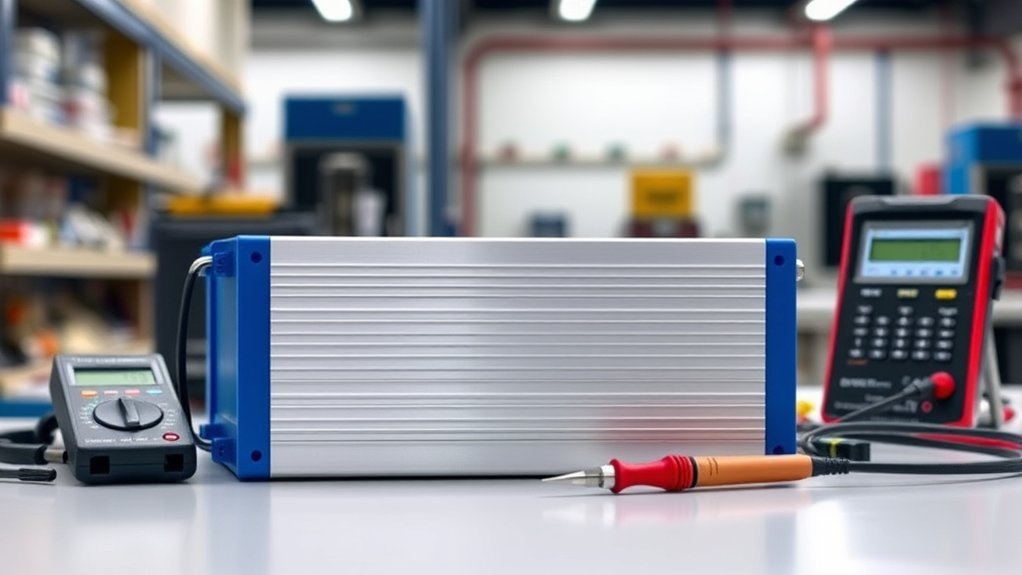
LiFePO4 batteries offer several key advantages over traditional lead acid options, making them a more reliable and efficient choice for various applications. Their longer cycle life reduces the frequency of replacements, minimizing waste and lowering overall lifecycle costs. From an environmental perspective, LiFePO4 batteries have a *particularly* lower environmental impact due to safer chemistry and reduced toxic waste, easing concerns around battery disposal and recycling. Additionally, their compatibility with sustainable battery recycling processes enhances eco-friendliness. In contrast, lead acid batteries pose challenges in recycling, often leading to environmental contamination and health hazards. Overall, LiFePO4 batteries provide a technically superior solution with greater durability, safety, and environmental benefits, making them a compelling alternative to traditional lead acid technologies.
How to Choose the Right LiFePO4 Battery for Your Needs?
Choosing the appropriate LiFePO4 battery requires a clear understanding of your specific application requirements, including power capacity, voltage, and cycle life expectations. To make an informed decision, consider the following:
- Power and Capacity Needs: Match the battery’s Ah rating to your energy demands to guarantee sufficient runtime.
- Voltage Compatibility: Select a battery that aligns with your system’s voltage requirements for ideal performance.
- Longevity and Environmental Impact: Evaluate cycle life to ensure durability and consider battery recycling options to minimize environmental footprint.
Installation and Maintenance Tips for LiFePO4 Systems
Proper installation and regular maintenance are crucial to maximize the performance and lifespan of your LiFePO4 systems. Guaranteeing correct wiring, secure connections, and proper ventilation prevents issues like voltage imbalances, which can impact efficiency. Regular voltage calibration is critical to maintain accurate battery management system (BMS) readings, preventing overcharge or deep discharge that damages cells. Incorporate routine checks for signs of wear or corrosion, and perform necessary cleaning to sustain prime operation. Additionally, responsible battery recycling at the end of life is essential to minimize environmental impact and recover valuable materials. Implementing these practices ensures system reliability, prolongs battery life, and maintains safety standards, ultimately providing a stable power source while supporting sustainable disposal methods.
Comparing Costs: Is LiFePO4 a Smarter Investment Than Lead Acid?
While the initial purchase cost of batteries often influences buying decisions, a thorough cost analysis must also consider long-term financial implications. LiFePO4 batteries typically have higher upfront costs than lead acid batteries, but their extended lifespan offsets this difference. Over time, LiFePO4 offers:
- Lower replacement frequency, reducing total ownership costs
- Greater efficiency, leading to decreased energy waste
- Improved environmental impact due to easier battery recycling and fewer hazardous materials
Although lead acid batteries may seem more affordable initially, their shorter life span and higher maintenance costs diminish their overall value. Additionally, LiFePO4’s eco-friendly profile aligns with sustainable practices, making it a smarter investment when considering long-term savings and environmental responsibility.
Future Trends in Lithium Iron Phosphate Battery Technology
As advancements in materials science and manufacturing processes accelerate, lithium iron phosphate (LiFePO4) battery technology is poised to undergo significant improvements that will enhance performance, safety, and cost-effectiveness. Future trends focus on optimizing electrode materials and electrolyte formulations to increase energy density and cycle life. Additionally, innovations in battery recycling methods aim to reduce environmental impact, making LiFePO4 more sustainable. These developments will support larger-scale adoption across industries like renewable energy and electric vehicles. The table below highlights key areas of progress:
| Area | Expected Impact |
|---|---|
| Battery Recycling | Reduced waste, improved sustainability |
| Environmental Impact | Lower emissions, eco-friendly design |
| Material Innovation | Higher performance, safety enhancements |
Frequently Asked Questions
How Long Do Lifepo4 Batteries Typically Last Compared to Lead Acid?
We find LiFePO4 batteries last 8-10 times longer than lead-acid, with fewer replacements needed. Their durability reduces costs and environmental impact, especially considering battery recycling and cost comparison, making them a more sustainable, long-term energy storage solution.
Are Lifepo4 Batteries Environmentally Friendly?
Like a wise old sage, LiFePO4 batteries are environmentally friendly due to their lower environmental impact and safer recycling processes, making them a more sustainable choice, as their longevity reduces waste and minimizes ecological harm.
Can Lifepo4 Batteries Be Recycled Easily?
Yes, LiFePO4 batteries are recyclable, supporting responsible battery recycling practices that reduce environmental impact. Their stable chemistry simplifies recycling processes, making them a more sustainable choice compared to traditional lead-acid batteries.
What Are the Safety Concerns With Lifepo4 Batteries?
We worry about weak points in battery manufacturing and fire safety, as LiFePO4 batteries can pose thermal runaway risks if damaged or improperly handled. Careful manufacturing and vigilant safety protocols help prevent potential fires and failures.
How Do Lifepo4 Batteries Perform in Extreme Weather Conditions?
We find Lifepo4 batteries exhibit strong temperature resilience, maintaining performance in extreme conditions. In cold weather, they deliver reliable capacity and efficiency, making them suitable for diverse environments where traditional batteries may falter.
Conclusion
In weighing the options, LiFePO4 batteries clearly emerge as the superior choice—offering longevity, safety, and sustainability that lead acid batteries simply can’t match. Their advanced chemistry and long-term cost savings make them a smarter investment for future-proof energy storage. As technology advances, embracing LiFePO4 becomes not just a choice, but a strategic move—one that aligns efficiency with environmental responsibility, ensuring we’re powering a more sustainable future with every cycle.