It’s often assumed that all deep cycle batteries are interchangeable, but the truth is more nuanced. Lithium-ion and LiFePO4 chemistries each have distinct advantages and trade-offs that substantially impact long-term performance and safety. Understanding these differences is essential for making an informed choice suited to your application. Yet, the decision isn’t straightforward, prompting us to examine their key characteristics more closely.
Key Takeaways
- LiFePO4 batteries offer longer cycle life and greater thermal stability for deep cycle applications.
- Lithium-ion batteries have higher energy density, providing more power in a smaller, lightweight package.
- LiFePO4 is safer with lower risk of thermal runaway, ideal for long-term, consistent deep cycling.
- Lithium-ion batteries typically require more careful monitoring and safety measures during deep cycling.
- Cost-wise, LiFePO4 may have higher initial investment but offers better longevity and overall value for deep cycle use.
What Are Lithium-Ion and LiFePO4 Batteries and How Do They Work?
Lithium-ion and LiFePO4 batteries are both rechargeable electrochemical cells that store and release energy through the movement of lithium ions, but they differ considerably in chemistry and performance characteristics. Lithium-ion batteries utilize a cobalt-based cathode, providing high energy density but raising concerns about environmental impact and recycling challenges. Conversely, LiFePO4 batteries employ an iron phosphate cathode, offering enhanced thermal stability and longer cycle life, which contribute to reduced waste and easier battery recycling. These factors influence their sustainability profiles, with LiFePO4 being more environmentally friendly due to lower toxicity and simpler recycling processes. Understanding these chemical differences is essential for evaluating their suitability in deep cycle applications, where environmental impact and end-of-life management are increasingly significant considerations.
Comparing Energy Density and Power Output in Deep Cycle Batteries
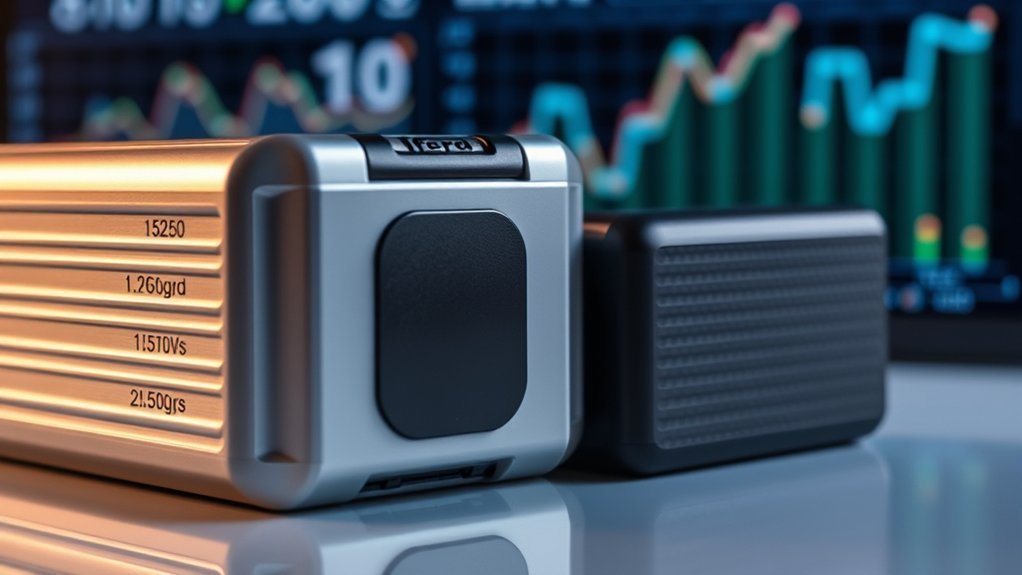
While both Lithium-ion and LiFePO4 batteries are capable of powering deep cycle applications, their energy density and power output differ considerably, influencing their application suitability. Lithium-ion batteries generally have higher energy density, allowing more stored energy in a smaller form factor, which benefits space-constrained setups. Conversely, LiFePO4 batteries typically offer lower energy density but excel in delivering higher power output due to their stable chemistry, making them ideal for high-demand cycles. From an environmental impact perspective, LiFePO4 batteries are more eco-friendly, featuring safer chemistry and easier battery recycling processes. This distinction is critical for long-term sustainability, as higher energy density batteries can reduce material use but may pose greater recycling challenges, impacting their overall environmental footprint.
Safety, Longevity, and Thermal Stability: Which Battery Is Safer for Your Setup?
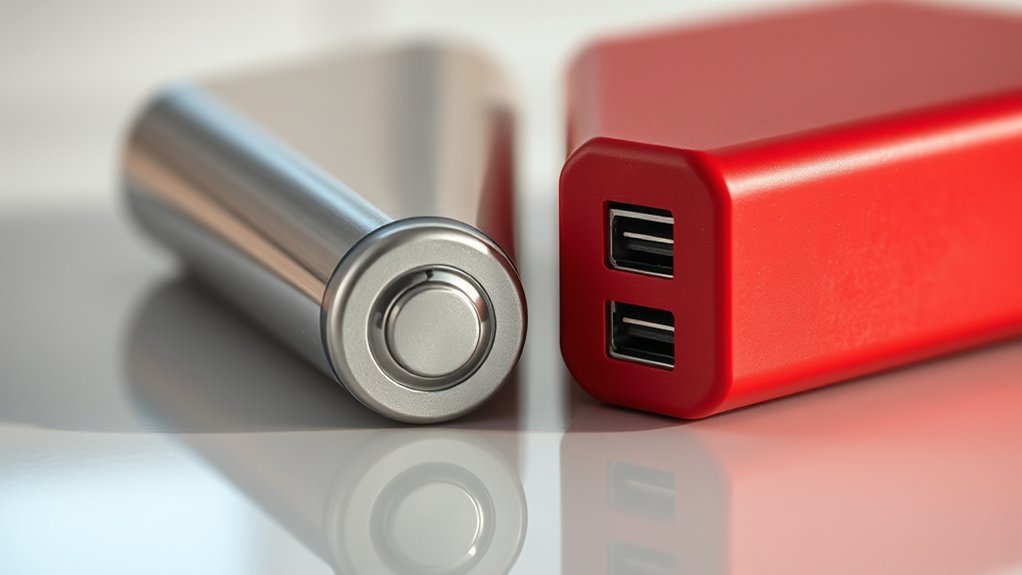
Although both Lithium-ion and LiFePO4 batteries are widely used in deep cycle applications, their safety profiles, longevity, and thermal stability differ considerably. Lithium-ion batteries pose a higher risk of thermal runaway, which can lead to fires or explosions, especially if damaged or improperly managed. In contrast, LiFePO4 batteries demonstrate superior thermal stability and are less prone to overheating, making them inherently safer. Their extended lifespan reduces the frequency of battery recycling, lowering environmental impact over time. additionally, LiFePO4’s stable chemistry facilitates more environmentally friendly recycling processes, further enhancing sustainability. Overall, LiFePO4 batteries offer a safer, more stable option for long-term use, minimizing safety concerns and environmental risks associated with thermal instability and waste management.
Cost, Maintenance, and Overall Value of Lithium-Ion vs LiFePO4 Batteries
Understanding the purchase costs, maintenance needs, and long-term value of lithium-ion versus LiFePO4 batteries is essential for making informed decisions. We will compare initial investments, operational requirements, and lifecycle benefits to determine which option offers better overall value. This analysis aims to clarify the economic and practical considerations critical for deep cycle applications.
Purchase Cost Differences
When comparing the purchase costs of Lithium-Ion and LiFePO4 batteries for deep cycle applications, it’s essential to take into account not only the initial price but also long-term expenses related to maintenance and overall value. LiFePO4 batteries generally have a higher upfront cost, but their extended lifespan and greater cycle durability often offset initial investments. Additionally, manufacturing sustainability and battery recycling play vital roles in cost considerations; LiFePO4 batteries tend to utilize more environmentally friendly materials and are easier to recycle, reducing environmental impact and disposal costs. Conversely, Lithium-Ion batteries may involve higher costs over time due to faster degradation and more complex recycling processes. Ultimately, an analytical approach reveals that initial costs are just one component of the total value equation.
Maintenance Requirements Comparison
Maintenance requirements markedly influence the long-term value of lithium-based batteries, with LiFePO4 and Lithium-Ion technologies exhibiting distinct profiles. LiFePO4 batteries generally demand less frequent maintenance, thanks to more stable chemistry, which extends charging cycle life and simplifies battery recycling procedures. In contrast, Lithium-Ion batteries might require more vigilant monitoring of voltage and temperature to prevent capacity loss over repeated cycles. Additionally, LiFePO4’s resilience to thermal stress reduces degradation, lowering replacement costs. Key considerations include:
- Longer lifespan and higher number of charging cycles for LiFePO4
- Reduced maintenance complexity and costs with LiFePO4
- Battery recycling impacts, favoring LiFePO4’s environmentally friendly profile
These factors collectively influence ongoing operational costs and overall value.
Long-Term Value Analysis
Evaluating the long-term value of lithium-based batteries requires analyzing their costs, maintenance demands, and overall performance over multiple cycles. Lithium-ion batteries generally have higher initial costs but benefit from lower maintenance and higher energy density, translating to better long-term value. LiFePO4 batteries, while more affordable upfront, often require more frequent replacement, impacting total lifecycle costs. Battery recycling plays a vital role, especially given the environmental impact of raw material extraction and disposal. Lithium-ion batteries pose challenges due to toxic electrolyte components, whereas LiFePO4 batteries are more environmentally friendly and easier to recycle. Overall, LiFePO4 offers advantages in sustainability and lower environmental impact, making it a compelling choice for long-term applications despite higher upfront costs.
Best Use Cases: When to Choose Lithium-Ion Over LiFePO4 for Deep Cycling
Lithium-ion batteries are often the preferred choice over LiFePO4 for deep cycling in applications demanding higher energy density and faster charge-discharge rates. They excel where weight and space savings are critical, such as in portable devices or electric vehicles, where rapid energy replenishment is essential. When considering battery recycling and environmental impact, lithium-ion systems present challenges due to their complex chemistries, but advancements are improving recyclability.
Lithium-ion batteries offer high energy density and fast charging, ideal for portable devices and electric vehicles.
- Use lithium-ion when high energy density outweighs safety concerns
- Opt for applications requiring rapid cycling and quick recharge times
- Situations where minimizing environmental footprint through efficient recycling is prioritized
Installation Tips and Compatibility: Making the Right Choice for Your System
Making certain of compatibility with existing systems requires careful assessment of voltage and capacity requirements, as well as understanding each battery type’s specifications. Installation safety precautions are critical to prevent hazards and ensure longevity, especially when integrating new batteries. By analyzing these factors, we can make informed decisions that optimize system performance and safety.
Compatibility With Existing Setup
When integrating lithium-ion or LiFePO4 batteries into an existing system, it’s essential to evaluate compatibility to prevent potential issues and guarantee peak performance. The primary considerations involve battery chemistry and charging protocols, which influence system integration. Lithium-ion and LiFePO4 batteries have distinct electrochemical properties that affect voltage, capacity, and lifespan. Ensuring your charger supports the specific battery chemistry is critical, as improper charging protocols can reduce efficiency or damage the cells. Additionally, verifying the system’s inverter compatibility with higher voltage or different discharge profiles safeguards operational stability.
- Confirm charger specifications align with battery chemistry requirements
- Check inverter voltage and current compatibility
- Evaluate system wiring and BMS integration for seamless operation
Installation Safety Precautions
Proper installation of lithium-based batteries requires careful attention to safety protocols to prevent hazards and guarantee system integrity. Ensuring proper ventilation, correct wiring, and secure mounting minimizes risks such as thermal runaway or electrical faults. Additionally, we must consider the environmental impact; selecting batteries with established recycling programs reduces waste and promotes sustainable battery recycling practices. Precautions during installation also include the use of appropriate protective gear and adherence to manufacturer guidelines. Properly installed batteries not only enhance safety but also extend lifespan, reducing the need for premature replacements. Recognizing the environmental significance of responsible disposal, we should prioritize systems that support efficient battery recycling. This approach minimizes ecological harm and aligns with best practices for sustainable energy storage solutions.
System Voltage and Capacity
Selecting the appropriate system voltage and capacity is crucial for enhancing battery performance and guaranteeing compatibility with your energy setup. Properly matching voltage stability with your system’s demands depends on understanding the battery chemistry, as Lithium Ion and LiFePO4 differ in their voltage profiles and stability characteristics. Confirming correct capacity prevents overloading or underutilization, maximizing efficiency and lifespan. When designing your system, consider:
- Compatibility of battery chemistry with existing inverter and charge controllers
- The impact of voltage stability on system reliability during deep cycling
- Scalability options for future capacity expansion without compromising performance
Aligning these factors ensures the system operates within ideal parameters, prolongs battery life, and maintains consistent power delivery. Proper voltage and capacity planning is essential for safe, efficient deep cycle applications.
Which Deep Cycle Battery Is Right for You? Key Factors to Consider
Choosing the right deep cycle battery requires a careful assessment of several technical factors that directly impact performance and longevity. Key considerations include cycle life, charge/discharge efficiency, and safety features. Additionally, evaluating the environmental impact of the battery type is essential, especially regarding battery recycling and disposal procedures. Lithium-ion batteries typically offer higher energy density and longer lifespan, but their recycling process can be complex and costly, raising environmental concerns. Conversely, LiFePO4 batteries generally have a more sustainable profile due to safer chemistry and easier recycling processes. Understanding these factors helps guarantee you select a battery that aligns with your energy needs, budget, and environmental values, ultimately maximizing efficiency while minimizing ecological footprint.
Frequently Asked Questions
How Do Temperature Variations Affect Lithium-Ion and Lifepo4 Battery Performance?
Temperature variations impact thermal stability and temperature resilience differently; lithium-ion batteries are more sensitive, risking thermal runaway at high temps, while LiFePO4 offers superior stability, maintaining performance across a broader temperature range with less degradation.
Can Lithium-Ion or Lifepo4 Batteries Be Recycled Easily?
Imagine a future where batteries return to life through efficient recycling; lithium-ion and Lifepo4 batteries are recyclable, reducing environmental impact. Their recovery processes, though evolving, are essential for sustainable battery recycling and minimizing ecological footprints.
Which Battery Type Performs Better in Cold Weather Conditions?
We find Lifepo4 batteries perform better in cold weather, maintaining capacity and stability, despite being slightly heavier and more expensive, offering a favorable cost comparison over lithium-ion, especially for critical deep cycle applications in colder climates.
Are There Specific Charger Requirements for Lithium-Ion Versus Lifepo4 Batteries?
Think of charging protocols as the secret handshake for battery safety; lithium-ion and Lifepo4 batteries require different chargers to guarantee ideal performance and safety, preventing damage and extending lifespan through precise, manufacturer-recommended charging procedures.
How Do Discharge Rates Impact the Lifespan of Each Battery Type?
Discharge rates considerably influence battery lifespan, as higher rates stress the battery chemistry, reducing energy density and accelerating degradation. Lifepo4 batteries typically tolerate higher discharge rates, extending longevity, whereas lithium-ion batteries are more sensitive, impacting their overall cycle life.
Conclusion
In the landscape of deep cycle batteries, choosing between lithium-ion and LiFePO4 is akin to selecting the right vessel for a voyage—each offers unique strengths tailored to specific conditions. LiFePO4’s stability and longevity act as a sturdy ship, ideal for demanding, long-term journeys, while lithium-ion’s higher energy density is like a sleek yacht for short, high-energy excursions. Ultimately, understanding your system’s demands guides you to the most reliable, efficient power source for your voyage ahead.