It’s interesting how a simple coincidence, like noticing reduced runtime in a LiFePO4 battery, often masks underlying issues that compromise performance. These problems typically stem from electrode aging, electrolyte breakdown, or manufacturing inconsistencies, which gradually diminish capacity and safety. Identifying and addressing these concerns requires a careful, analytical approach to battery health, especially since improper handling or environmental factors can accelerate degradation. Exploring these challenges reveals the critical factors influencing longevity and reliability—factors you need to understand thoroughly.
Key Takeaways
- Capacity loss over cycles due to electrode aging and electrolyte breakdown.
- Charging difficulties caused by damaged cells or improper charging cycles.
- Safety hazards like thermal runaway if safety features are not properly implemented.
- Temperature sensitivity leading to degradation if not managed with cooling or protective enclosures.
- Potential for increased internal resistance, resulting in voltage drops and reduced performance.
Common Causes of Capacity Loss in LiFePO4 Batteries
While LiFePO4 batteries are known for their stability and long cycle life, they are still susceptible to capacity loss over time. This degradation primarily stems from battery degradation mechanisms such as electrode material aging and electrolyte breakdown, which diminish capacity with repeated cycles. Manufacturing defects also play a significant role, including inconsistencies in cell assembly or improper formation processes that lead to uneven current distribution or internal resistance increases. These defects can accelerate capacity fade and reduce overall lifespan. Understanding these causes helps us identify early signs of capacity loss and emphasizes the importance of quality control during production. Addressing both battery degradation and manufacturing defects is essential to maintaining peak performance and prolonging the functional life of LiFePO4 batteries.
Troubleshooting Charging Difficulties With Lifepo4 Batteries
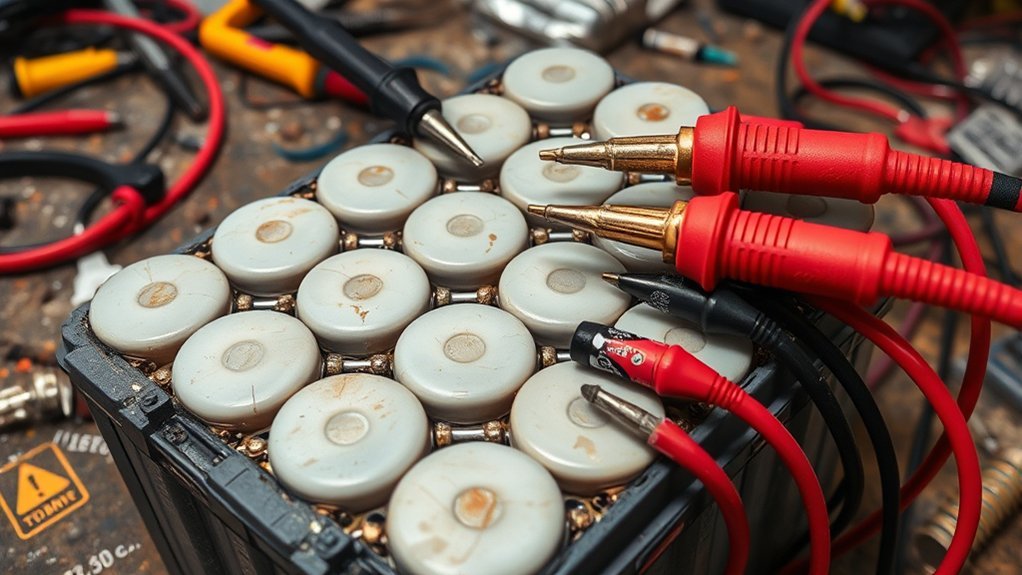
Charging difficulties in LiFePO4 batteries can often be traced to specific electrical or mechanical issues that interfere with ideal performance. A common cause is an incomplete or improper charging cycle, which can leave the battery in a state that hampers subsequent charging. Mechanical faults such as damaged connectors or worn-out terminals can also disrupt the flow of current, hindering proper charge acceptance. Additionally, degraded cells may resist charging, emphasizing the importance of battery recycling to remove aged or faulty units from the system. Regular monitoring of voltage and current during charging helps identify abnormal patterns indicative of underlying issues. Addressing these problems promptly improves cycle life and guarantees consistent performance, while neglecting them can accelerate capacity loss and increase the need for battery recycling.
Understanding Safety Risks and How to Mitigate Them
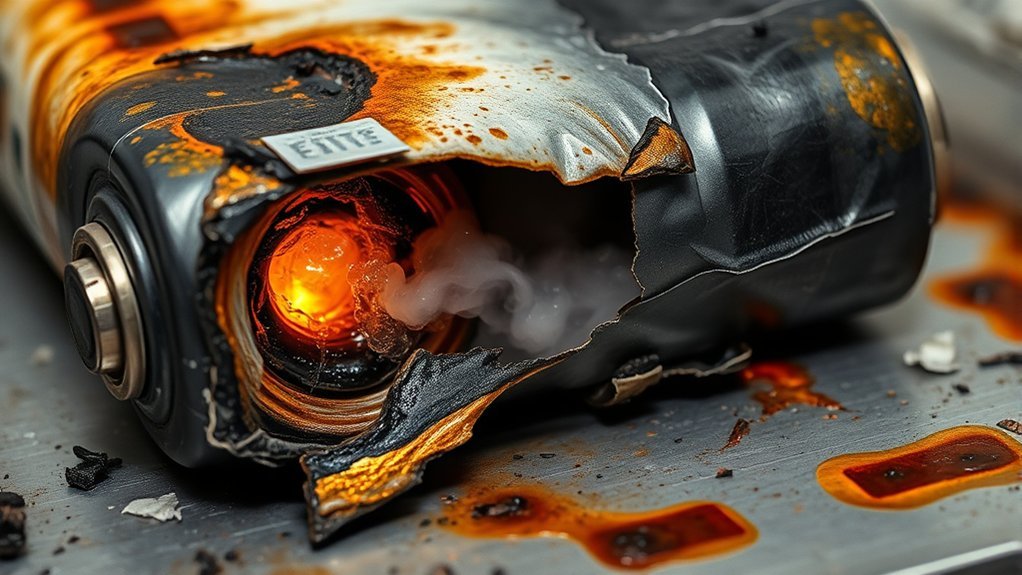
Understanding safety risks associated with LiFePO4 batteries is vital because improper handling can lead to hazardous situations. These risks include thermal runaway, fire hazards, and chemical exposure, which can be mitigated through strict adherence to manufacturing standards. Properly designed batteries incorporate safety features such as venting mechanisms and thermal cut-offs, reducing the likelihood of failure. Additionally, responsible battery recycling prevents environmental contamination and reduces the risk of misuse or accidental fires from discarded units. To minimize hazards, users should:
- Follow manufacturer guidelines for installation and maintenance.
- Confirm batteries meet established manufacturing standards for safety.
- Properly recycle batteries to prevent environmental and safety hazards.
Awareness of these factors is essential for safe handling and long-term battery integrity.
Managing Temperature and Environmental Factors for Longevity
Effective management of temperature and environmental conditions is critical for maximizing the lifespan and performance of LiFePO4 batteries. Proper thermal management guarantees that operating temperatures remain within ideal ranges, preventing degradation caused by excessive heat or cold. Maintaining environmental resilience involves protecting batteries from humidity, dust, and temperature fluctuations that can accelerate capacity loss. Implementing active cooling or heating systems, along with protective enclosures, can stabilize temperatures and shield batteries from environmental stressors. Consistent monitoring of ambient and battery temperatures enables timely adjustments, reducing thermal stress. By controlling these factors, we enhance battery durability, minimize capacity fade, and ensure safer operation over extended periods. Ultimately, meticulous management of temperature and environmental conditions sustains battery health, supporting reliable performance and prolonged service life.
Signs Indicating When to Replace Your LiFePO4 Battery
Over time, several clear indicators can signal that your LiFePO4 battery is nearing the end of its effective lifespan. First, a consistent decline in capacity results in shorter runtime, indicating reduced efficiency. Second, increased internal resistance causes voltage drops under load, impairing performance. Third, abnormal heating during charge or discharge suggests internal degradation. Recognizing these signs is vital for responsible battery recycling; delaying replacement may lead to safety hazards and environmental harm. When replacement becomes necessary, adhering to proper recycling protocols ensures safe disposal and minimizes environmental impact. Properly managing end-of-life batteries supports sustainable practices, emphasizing the importance of timely replacement and environmentally conscious battery recycling. These indicators help prevent operational failures while promoting responsible lifecycle management.
Frequently Asked Questions
Can Lifepo4 Batteries Be Recycled Safely?
Yes, lifepo4 batteries can be recycled safely using established recycling methods that minimize environmental impact. Proper battery disposal involves specialized facilities, ensuring materials like lithium and phosphate are recovered efficiently and safely, reducing hazards and supporting sustainable practices.
How Do Cold Temperatures Affect Lifepo4 Battery Performance?
Cold temperatures impair LiFePO4 battery performance by reducing ion mobility, but effective thermal management enhances cold resilience. We recommend insulating batteries and using heaters to maintain ideal temperatures, ensuring reliable operation in low-temperature environments.
Are There Specific Brands More Prone to Problems?
Like fragile ships steering stormy seas, some brands with questionable reliability and inconsistent manufacturing quality tend to develop problems more often. We recommend choosing reputable brands known for rigorous quality control to guarantee peak Lifepo4 battery performance.
What Is the Maximum Number of Charge Cycles for Lifepo4 Batteries?
We find Lifepo4 batteries typically offer 2,000 to 3,000 charge cycles, translating to a battery lifespan of around 8-10 years, depending on usage and adherence to charge cycle limits, ensuring peak performance and longevity.
Do Lifepo4 Batteries Lose Capacity Over Time Even Without Use?
Yes, Lifepo4 batteries experience capacity decline over time due to battery aging, even without use. This natural capacity fade results from internal chemical changes, reducing overall performance and emphasizing the importance of proper storage and maintenance to mitigate aging effects.
Conclusion
By understanding the root causes of LiFePO4 battery issues, we can better anticipate and address potential problems. Regular monitoring and maintenance act as a safety net, preventing small issues from snowballing into major failures. Staying vigilant about temperature, environmental conditions, and signs of aging guarantees longevity. Think of it as tending a finely tuned engine—consistent care keeps it running smoothly, safeguarding both performance and safety in the long run.