When selecting a battery for home backup, we must weigh safety, longevity, and environmental impact. Lifepo4 and lithium-ion batteries each offer distinct advantages and challenges that influence their suitability for different applications. Understanding their performance, cost implications, and installation requirements is essential for making an informed decision. As we explore these options, it becomes clear that choosing the right technology depends on specific needs and priorities, prompting a closer look at each type’s characteristics.
Key Takeaways
- Lifepo4 batteries offer enhanced safety, thermal stability, and longer cycle life, making them ideal for reliable home backup.
- Lithium-ion batteries provide higher energy density but require strict safety measures and more complex thermal management.
- Lifepo4 is more environmentally friendly and easier to recycle, supporting sustainable home energy solutions.
- While initially more expensive, Lifepo4’s longer lifespan reduces replacement costs over time.
- Compatibility with existing systems and environmental conditions should guide the choice between Lifepo4 and lithium-ion for home backup.
What Are Lifepo4 and Lithium-Ion Batteries? An Overview of Home Backup Options
When considering home backup energy storage, understanding the fundamental differences between Lifepo4 and lithium-ion batteries is essential. Lifepo4 batteries utilize a phosphate-based cathode, resulting in improved thermal stability and longer cycle life, while lithium-ion batteries typically employ cobalt or nickel-based cathodes, offering higher energy density. Manufacturing processes differ markedly; Lifepo4 cells involve more environmentally friendly methods and produce less hazardous waste, easing battery recycling efforts. In contrast, lithium-ion manufacturing often generates more toxic byproducts, complicating recycling. These distinctions influence not only performance and safety but also the sustainability of the energy storage system. Recognizing how manufacturing processes impact battery recyclability helps inform more eco-conscious choices for reliable, long-term home backup solutions.
How Do Lifepo4 and Lithium-Ion Batteries Differ in Performance and Safety?
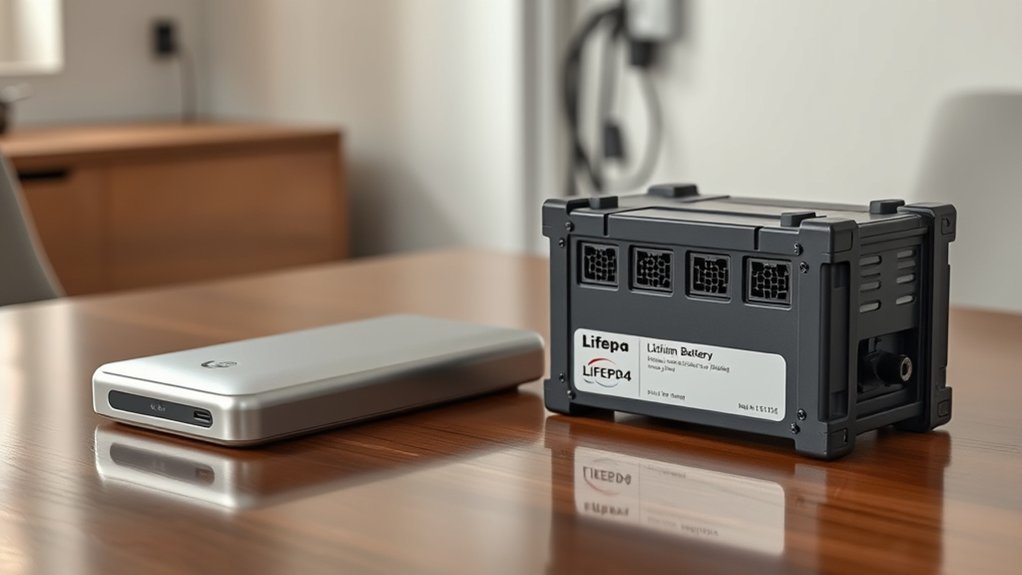
When comparing Lifepo4 and lithium-ion batteries, safety features such as thermal stability and risk of thermal runaway are critical factors. Performance metrics like cycle life, energy density, and charge retention directly impact long-term reliability, while safety considerations influence overall system robustness. Analyzing these differences helps determine the most suitable option for dependable home backup solutions.
Safety Features Comparison
While both Lifepo4 and traditional lithium-ion batteries are widely used for home backup systems, their safety features differ markedly due to their chemical compositions and design characteristics. Lifepo4 batteries inherently operate at a more stable voltage and are less prone to thermal runaway, reducing risks of overheating and fires. Their robust chemistry also simplifies battery recycling, minimizing environmental concerns. In contrast, lithium-ion batteries with cobalt or nickel chemistries require strict charging protocols to prevent overcharging, which can lead to safety hazards. Lifepo4’s stable chemistry allows for safer, more forgiving charging protocols, enhancing overall safety. Additionally, Lifepo4’s resistance to puncture and thermal instability makes it a more reliable choice for home backup. These safety distinctions are vital for ensuring system integrity and user safety over the battery’s lifespan.
Performance and Longevity
Lifepo4 batteries generally outperform traditional lithium-ion cells in both performance consistency and lifespan, primarily due to their chemical stability and structural integrity. They maintain stable energy output over numerous charge cycles, which extends their longevity. Although Lifepo4 batteries have a lower energy density compared to other lithium-ion chemistries, their durability results in fewer replacements and less waste, facilitating more sustainable battery recycling. This stability reduces degradation, ensuring reliable performance over time. In contrast, lithium-ion batteries with higher energy density tend to degrade faster, impacting overall performance and safety. Consequently, Lifepo4 batteries offer a more predictable and long-lasting solution for home backup systems, with their superior longevity and safety profile making them a resilient choice for energy storage needs.
Which Battery Type Offers Better Longevity and Cost-Effectiveness for Home Use?
Lithium Iron Phosphate (LiFePO4) batteries generally outlast traditional lithium-ion variants regarding cycle life and stability, making them a compelling choice for long-term home energy storage. Their superior longevity reduces replacement frequency, enhancing cost-effectiveness over time. Although LiFePO4 batteries have a lower energy density compared to other lithium-ion chemistries, their extended cycle life offsets this limitation by providing sustained performance. Additionally, their safety profile supports easier battery recycling, minimizing environmental impact and long-term disposal costs. The combination of durability, safety, and recyclability makes LiFePO4 batteries a more economical and environmentally responsible option for home backup systems. While initial costs may be higher, the longer lifespan and reduced maintenance requirements contribute to better overall value.
What Are the Installation and Maintenance Considerations for Each Battery Type?
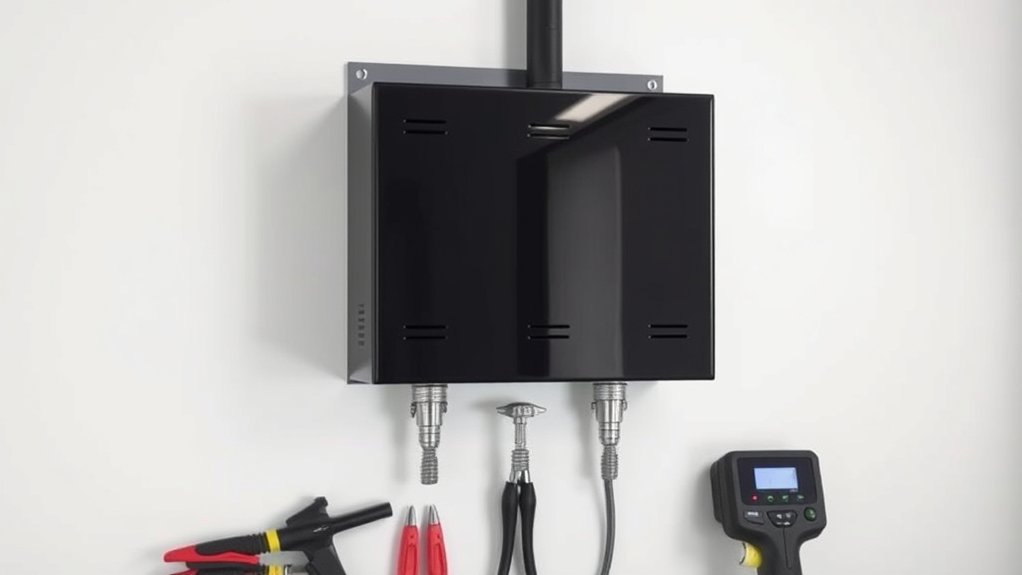
When considering long-term performance, understanding the installation and maintenance requirements of each battery type becomes essential. Lifepo4 batteries generally face fewer installation challenges due to their robust thermal stability and simple wiring configurations, but they still require secure mounting and proper ventilation. Lithium-ion batteries, on the other hand, often demand more meticulous installation routines to prevent thermal runaway, necessitating specialized enclosures and electrical protections. Maintenance routines differ as well; Lifepo4 batteries typically require minimal upkeep, mainly periodic checks for corrosion and voltage consistency. Lithium-ion batteries may require more frequent monitoring of voltage levels and temperature management systems to ensure longevity and safety. Both types benefit from routine inspections, but their distinct characteristics influence the complexity and frequency of maintenance tasks.
How Do Environmental Factors Influence Lifepo4 and Lithium-Ion Battery Choices?
Environmental factors considerably impact the performance and suitability of battery chemistries for home backup systems. Temperature fluctuations, humidity, and exposure to elements influence battery lifespan and efficiency. Lithium-ion batteries are sensitive to high temperatures, which can accelerate degradation, whereas Lifepo4 batteries offer better thermal stability, making them more resilient in varying climates. Solar integration efficiency heavily depends on battery performance under environmental stress, affecting overall system reliability. Additionally, environmental conditions influence recycling methods; Lifepo4 batteries are safer and simpler to recycle, reducing ecological impact, while lithium-ion recycling involves more complex processes due to hazardous materials. Understanding these factors helps us select batteries optimized for specific environmental conditions, ensuring longevity and sustainability in home backup solutions.
Which Battery Is Better Suited for Different Home Backup Needs and Budgets?
Choosing the right battery for home backup systems depends heavily on specific energy needs and budget constraints. Lithium-ion batteries generally offer higher energy density and faster charging protocols, making them suitable for short-term, high-demand backup scenarios. Lifepo4 batteries excel in safety, longevity, and stability, which benefit long-term, cost-conscious applications. When considering these options, understanding battery recycling processes is essential to minimize environmental impact and ensure sustainability. Charging protocols differ: Lifepo4 batteries require specific, controlled charging to optimize lifespan, while lithium-ion batteries demand precise management to prevent degradation. Ultimately, selecting between Lifepo4 and lithium-ion hinges on balancing immediate power needs, long-term value, and environmental considerations, allowing homeowners to optimize their backup systems within budget constraints.
What Should You Consider When Choosing Between Lifepo4 and Lithium-Ion for Your Home?
Selecting the appropriate battery type for your home backup system involves evaluating several critical factors that influence performance, safety, and cost-effectiveness. When choosing between Lifepo4 and lithium-ion, consider their impact on battery recycling, as Lifepo4 cells are more environmentally friendly and easier to recycle, reducing long-term waste concerns. Charging methods are also essential; Lifepo4 batteries typically support faster, more stable charging cycles with lower thermal management requirements, enhancing safety. In contrast, lithium-ion batteries may demand more sophisticated charging controls to prevent overheating or capacity loss. Additionally, assess compatibility with existing energy systems, lifespan, and overall cost. Balancing these technical considerations ensures an informed decision that maximizes your home backup’s safety, efficiency, and sustainability.
Frequently Asked Questions
Are Lifepo4 Batteries More Environmentally Friendly Than Lithium-Ion?
We believe Lifepo4 batteries are more eco-friendly than lithium-ion because they use eco-friendly materials and have a lower manufacturing impact, resulting in less environmental harm over their lifecycle, which makes them a more sustainable choice for home backup systems.
How Do Temperature Fluctuations Affect Battery Performance and Lifespan?
Temperature fluctuations impact battery performance and lifespan markedly; maintaining temperature stability through effective thermal management minimizes degradation. Proper thermal regulation guarantees consistent performance, extends lifespan, and prevents thermal stress, essential for optimizing battery reliability in variable environmental conditions.
Can Lifepo4 and Lithium-Ion Batteries Be Recycled Easily?
We believe both Lifepo4 and lithium-ion batteries can be recycled, but the process varies in complexity. Proper battery recycling minimizes environmental impact, ensuring valuable materials are recovered efficiently, though Lifepo4’s chemistry often simplifies recycling procedures.
What Safety Features Should I Look for in Home Backup Batteries?
We look for batteries with advanced battery management systems that monitor temperature, voltage, and current, ensuring safety and longevity. Fire safety features like thermal shutdown and flame retardant materials are essential for reliable, secure home backup systems.
Do Batteries Require Special Wiring or Electrical Upgrades for Installation?
Batteries typically need specialized wiring due to battery safety and wiring complexity, requiring professional installation for proper electrical upgrades and safety compliance. We recommend consulting a licensed electrician to guarantee your system is correctly integrated and secure.
Conclusion
In conclusion, choosing between Lifepo4 and lithium-ion batteries is like selecting the right tool for a specific job—we need to weigh safety, longevity, and environmental impact carefully. Lifepo4’s stability and durability make it a strong choice for long-term, reliable home backup solutions. By analyzing your needs and budget, we can determine the most suitable option, ensuring your system’s performance is as dependable as a well-engineered machine running smoothly for years to come.