Like the classic debate between innovation and tradition, choosing between LiFePO4 and lead-acid batteries involves weighing performance against practicality. Both have their merits, yet their differences in durability, cost, and application suitability are significant. As we analyze these factors, it becomes clear that understanding their technical nuances can influence your decision. But which option truly aligns with your specific needs, and what hidden considerations might sway your choice?
Key Takeaways
- LiFePO4 batteries have higher energy density and longer cycle life than lead-acid batteries.
- LiFePO4 offers lower maintenance and better environmental sustainability.
- Lead-acid batteries are more affordable initially but require more frequent replacements.
- LiFePO4 batteries are lighter, more compact, and suitable for portable applications.
- Lead-acid batteries pose recycling challenges due to toxic materials, unlike LiFePO4.
Comparing Lithium Iron Phosphate (LiFePO4) and Lead-Acid Batteries: Basic Differences
While both Lithium Iron Phosphate (LiFePO4) and lead-acid batteries serve as energy storage solutions, they differ markedly in their fundamental chemistry and performance characteristics. LiFePO4 batteries utilize lithium-based chemistry, offering higher energy density and longer cycle life, whereas lead-acid batteries rely on lead plates and sulfuric acid, making them less durable. From an environmental perspective, LiFePO4 batteries present advantages due to their more sustainable chemistry and reduced toxicity. Battery recycling processes for LiFePO4 are advancing, aiming to reclaim valuable materials efficiently, which mitigates environmental impact. Conversely, lead-acid batteries pose significant recycling challenges because of lead toxicity, raising concerns about environmental contamination if improperly disposed of. Overall, LiFePO4’s chemistry fosters a more environmentally responsible lifecycle, emphasizing the importance of sustainable battery recycling practices.
Which Battery Offers Better Longevity and Performance?
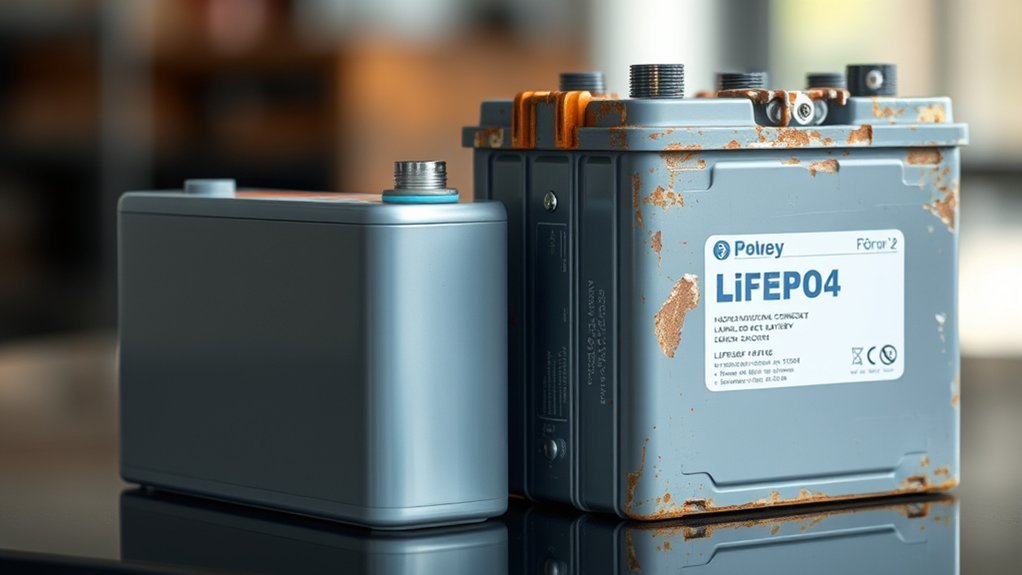
When evaluating longevity and performance, LiFePO4 batteries generally outperform lead-acid options due to their advanced chemistry and design. They feature higher cycle life, often exceeding 2000 cycles, compared to lead-acid’s typical 500-1000 cycles, ensuring sustained capacity over time. This results in better reliability and longer service life. Additionally, LiFePO4 batteries maintain consistent performance under high charge and discharge rates. From an environmental perspective, their superior battery recycling processes and reduced toxic waste contribute to a lower environmental impact. Lead-acid batteries, by contrast, pose greater challenges for recycling and have a higher potential for environmental contamination. Overall, LiFePO4 offers a more durable and environmentally-conscious solution for applications demanding longevity and top-tier performance.
Cost, Maintenance, and Lifecycle: Which Is More Economical?
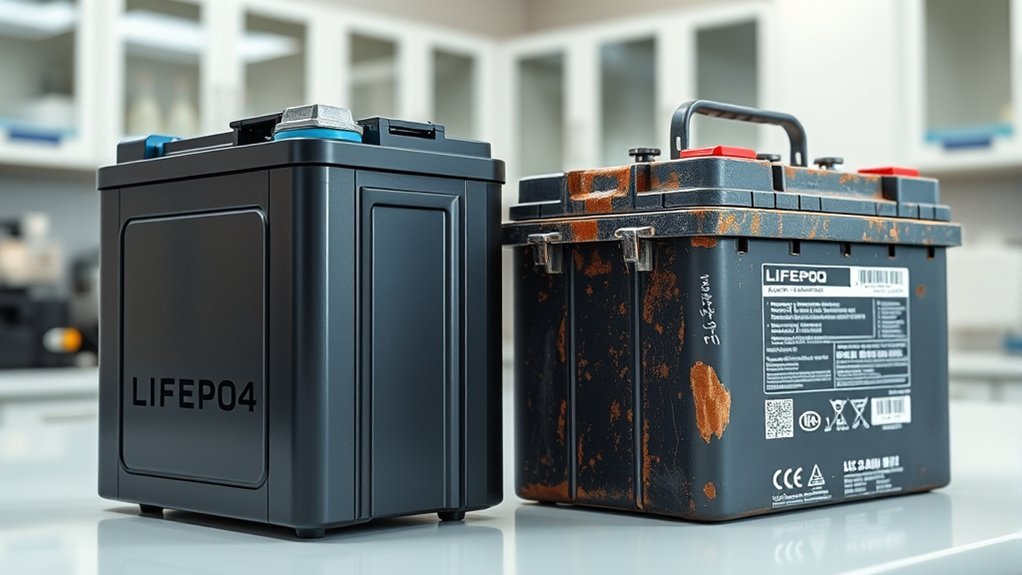
Considering the overall cost-effectiveness, LiFePO4 batteries typically present a more economical choice over their lifespan despite higher initial investments. Their longer cycle life reduces replacement frequency, lowering long-term costs. Maintenance requirements are minimal compared to lead acid batteries, which need regular watering and equalization. Additionally, LiFePO4 batteries have a smaller environmental impact due to their durability and reduced need for frequent disposal. Battery recycling is more efficient for LiFePO4, as it contains fewer hazardous materials, lowering environmental risks. Lead acid batteries, on the other hand, pose significant environmental challenges during disposal due to corrosive electrolytes and lead content. Overall, the combination of lower maintenance, extended lifecycle, and eco-friendly recycling processes makes LiFePO4 batteries more economical over time.
Weight, Size, and Application Suitability: Which Battery Fits Your Needs?
The physical characteristics of a battery—namely weight and size—significantly influence its suitability for various applications. Lifepo4 batteries are particularly lighter and more compact than lead-acid batteries, making them ideal for portable and space-constrained uses. This size advantage also reduces transportation costs and simplifies installation. When considering environmental impact, Lifepo4 batteries are easier to recycle, contributing to sustainable battery recycling efforts. Conversely, lead-acid batteries are bulkier and heavier, limiting their use in lightweight applications but often preferred for stationary setups due to their affordability. The table below summarizes these differences:
| Feature | Lifepo4 Battery | Lead Acid Battery | Application Suitability |
|---|---|---|---|
| Weight | Lighter | Heavier | Portable, mobile, space-limited uses |
| Size | Smaller | Larger | Stationary, stationary energy storage |
| Environmental Impact | Easier to recycle | More complex, toxic materials | Recycling, environmental considerations |
Making the Right Choice: Factors to Consider When Choosing Between LiFePO4 and Lead-Acid
Choosing between LiFePO4 and lead-acid batteries requires a careful assessment of multiple technical and operational factors. Key considerations include lifespan, cost, maintenance, and safety. LiFePO4 batteries generally offer longer cycle life and higher efficiency, but come with higher initial costs. Lead-acid options are more affordable upfront but require regular maintenance and have shorter lifespans. Environmental impact and recycling considerations are critical; LiFePO4 batteries are more eco-friendly due to lower toxic material content and easier recycling processes. Conversely, lead-acid batteries pose recycling challenges because of hazardous lead and acid. Other factors to evaluate include charging behavior, temperature tolerance, and application-specific needs. Ultimately, understanding these variables helps in making an informed decision aligned with sustainability and operational demands.
Frequently Asked Questions
Are Lifepo4 Batteries Environmentally Friendly Compared to Lead-Acid?
We believe LiFePO4 batteries are more environmentally friendly than lead-acid, thanks to longer battery lifespan and better cost efficiency, which reduces waste and resource consumption; their eco-friendly materials also minimize environmental impact during disposal and recycling.
How Do Temperature Ranges Affect Lifepo4 and Lead-Acid Batteries?
We observe that Lifepo4 batteries exhibit superior thermal stability and lower temperature sensitivity, maintaining performance across wider temperature ranges. Lead-acid batteries are more affected by temperature fluctuations, risking reduced capacity and lifespan in extreme conditions.
Can Lifepo4 Batteries Be Recycled Easily?
Yes, Lifepo4 batteries can be recycled more efficiently than lead-acid ones, reducing environmental impact through specialized Battery Recycling processes. Their materials are more environmentally friendly, making them a sustainable choice for long-term energy storage solutions.
What Safety Risks Are Associated With Each Battery Type?
We observe that Lifepo4 batteries have superior safety due to enhanced manufacturing standards and greater durability, reducing thermal runaway risks. Conversely, lead acid batteries pose safety concerns like acid leaks and corrosion, impacting long-term reliability and handling safety.
How Do Charging Times Differ Between Lifepo4 and Lead-Acid Batteries?
Charging times vary like a race—Lifepo4 batteries charge faster due to superior charging efficiency, while lead-acid batteries lag behind. Their power retention differences impact overall charge duration, making Lifepo4 more efficient for quick, reliable energy replenishment.
Conclusion
As we weigh LiFePO4 against lead-acid batteries, it’s clear that each has its strengths, much like two sides of the same coin. While lead-acid offers simplicity and lower initial costs, LiFePO4’s durability and eco-friendliness shine in the long run. Ultimately, choosing the right battery depends on your specific needs—like selecting the right tool for a precise job—ensuring peak performance and value over time.