Did you know that LiFePO4 batteries can last up to 10 times longer than traditional lithium-ion cells in certain applications? This significant difference in lifecycle and safety performance underscores the importance of understanding their distinct chemistries and operational strengths. As we compare their energy densities, safety profiles, and temperature tolerances, it becomes clear that choosing the right battery depends heavily on specific use cases and long-term reliability considerations. Let’s explore how these factors influence overall performance.
Key Takeaways
- LiFePO4 offers superior thermal stability and safety, reducing risks like thermal runaway compared to lithium-ion batteries.
- Lithium-ion batteries have higher energy density, making them ideal for portable electronics and EVs requiring compact power.
- LiFePO4 provides a longer cycle life (over 2,000 cycles) than lithium-ion (500–1,000 cycles), enhancing durability and lifespan.
- Lithium-ion batteries perform better in cold temperatures but are more susceptible to heat degradation; LiFePO4 maintains performance across temperatures.
- While lithium-ion offers higher power and energy density, LiFePO4 excels in safety, environmental impact, and long-term sustainability.
How Do LiFePO4 and Lithium-Ion Batteries Differ in Chemistry?
While both LiFePO4 and traditional lithium-ion batteries rely on lithium-ion chemistry, their fundamental differences stem from their cathode compositions. The cathode material in LiFePO4 batteries consists of lithium iron phosphate, offering a stable crystalline structure that enhances thermal stability and cycle life. In contrast, conventional lithium-ion batteries typically use layered transition metal oxides like lithium cobalt oxide. The electrolyte composition also varies slightly; LiFePO4 batteries often employ electrolytes optimized for high stability with phosphate cathodes, reducing degradation over time. These variations influence the electrochemical behavior and safety profile of the batteries. Understanding these differences in cathode material and electrolyte composition helps clarify why LiFePO4 batteries excel in durability, whereas traditional lithium-ion variants may deliver higher energy density.
Comparing Energy Density: Which Battery Stores More Power?
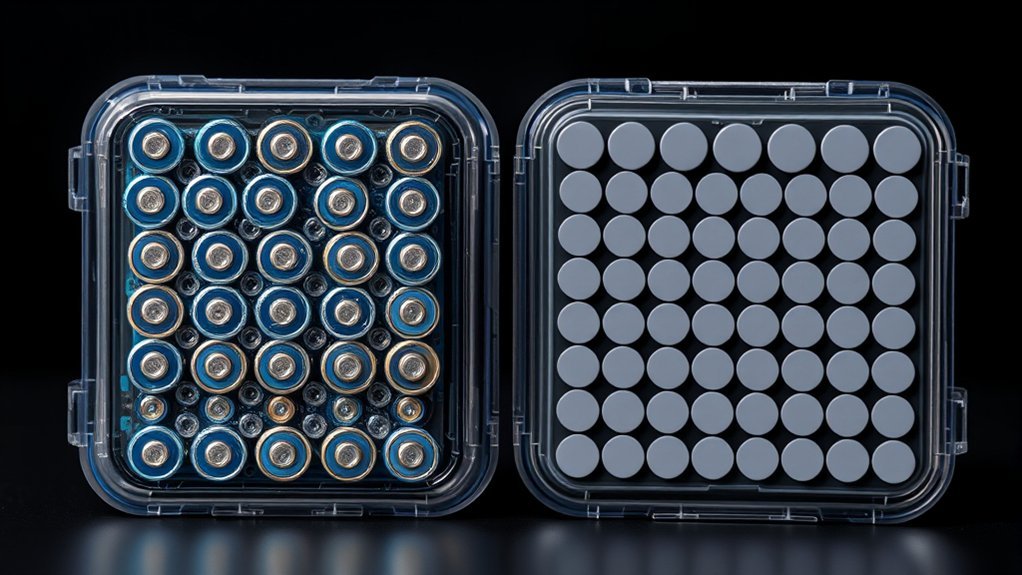
When comparing energy density, lithium-ion batteries generally outperform LiFePO4 variants, storing more energy per unit weight or volume. This higher energy density makes lithium-ion batteries more suitable for applications requiring compact power sources, such as portable electronics and electric vehicles. However, the increased capacity comes with considerations around battery recycling and environmental impact, as lithium-ion cells often contain more toxic materials and are more challenging to recycle efficiently. Conversely, LiFePO4 batteries offer lower energy density but tend to have a longer lifespan and are easier to recycle, reducing their environmental footprint. While lithium-ion batteries deliver more power in a smaller package, their disposal and recycling processes pose greater environmental challenges compared to the more environmentally friendly LiFePO4 options.
Safety Considerations: Which Battery Is Safer to Use?
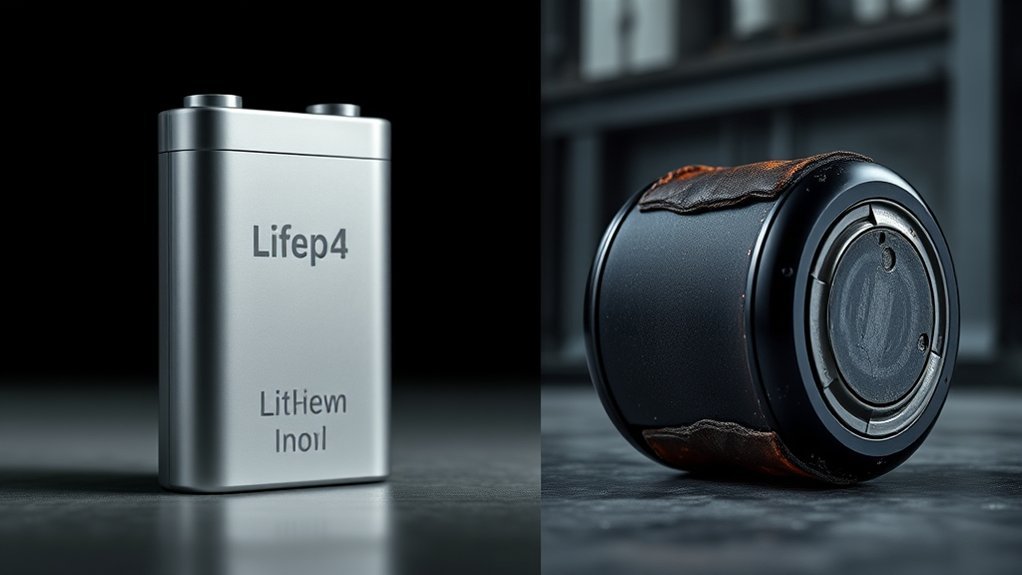
LiFePO4 batteries are generally considered safer than lithium-ion variants due to their chemical stability and lower risk of thermal runaway. Their stable lattice structure reduces the chance of overheating and combustion, making them inherently safer during operation and accidents. Manufacturing processes also influence safety; LiFePO4 production involves fewer toxic materials, simplifying battery recycling and minimizing environmental hazards. Conversely, lithium-ion batteries contain volatile electrolytes that can ignite if damaged or improperly handled.
| Feature | LiFePO4 | Lithium-Ion |
|---|---|---|
| Thermal Stability | High | Moderate to Low |
| Recycling Complexity | Lower | Higher |
| Manufacturing Risks | Lower due to safer materials | Higher due to volatile components |
Lifespan and Durability: Which Battery Lasts Longer?
Both LiFePO4 and lithium-ion batteries are designed for longevity, but their durability depends on factors like chemistry, usage patterns, and operational conditions. LiFePO4 batteries typically offer a longer cycle life, often exceeding 2,000 cycles, compared to lithium-ion batteries’ 500–1,000 cycles. This increased lifespan reduces the frequency of battery recycling, positively impacting environmental sustainability. Lithium-ion batteries, however, are more prone to capacity fade over time due to degradation of their cathode materials. The durability of either type influences their environmental impact, as longer-lasting batteries minimize waste and resource extraction. Ultimately, while LiFePO4 batteries generally last longer, proper management and recycling practices are essential for reducing environmental footprints across both chemistries.
Charging Speed and Efficiency: How Quickly Can They Recharge?
Charging speed and efficiency are critical factors that influence how quickly a battery can be replenished and how well it maintains performance during repeated cycles. Lithium-ion batteries generally offer faster charging rates due to their higher charge acceptance, but Lifepo4 batteries excel in maintaining efficiency over multiple cycles. When considering recharge times, Lifepo4’s safety margin allows for higher current rates without risking thermal runaway, enhancing charging speed. Additionally, efficient charging processes impact battery recycling efforts, as faster, more controlled charging extends lifespan, reducing waste. From an environmental perspective, both chemistries influence environmental impact through their recycling processes; Lifepo4’s simpler chemistry makes it easier and safer to recycle, further improving sustainability. Ultimately, charging efficiency impacts not just performance but the broader ecological footprint.
Cost Factors: Which Battery Offers Better Value?
While initial purchase costs often influence decision-making, evaluating the overall value of lithium-ion versus Lifepo4 batteries demands a thorough analysis of long-term expenses and benefits. Lifepo4 batteries typically have a higher upfront cost but offer extended cycle life, reducing replacement frequency. This impacts total cost of ownership positively over time. Additionally, Lifepo4 batteries are more environmentally friendly, with safer chemistry and easier battery recycling processes, minimizing environmental impact. Lithium-ion batteries, while initially cheaper, often entail higher replacement and disposal costs, partly due to hazardous materials. Considering environmental impact and recyclability is essential for sustainable investments. Ultimately, Lifepo4 batteries may present better value when factoring in longevity, lower environmental footprint, and reduced lifecycle costs, making them a competitive choice despite higher initial expenditure.
Performance in Extreme Temperatures: Which Performs Better in Cold and Heat?
When evaluating battery performance in extreme temperatures, understanding cold weather efficiency and heat tolerance is vital. Lithium-ion batteries tend to experience significant capacity loss in cold conditions, while Lifepo4 batteries maintain more stable performance. Conversely, Lifepo4’s heat tolerance generally surpasses that of lithium-ion, reducing thermal degradation during high-temperature operation.
Cold Weather Efficiency
Have you ever wondered how different battery chemistries perform in extreme temperatures? When it comes to cold weather efficiency, Lifepo4 and lithium-ion batteries exhibit distinct behaviors.
- Lifepo4 maintains better low-temperature performance due to its stable chemistry, enabling consistent discharge rates.
- Lithium-ion batteries experience significant capacity loss in cold conditions, requiring more energy to operate efficiently.
- Lifepo4’s manufacturing processes allow for improved thermal management, reducing internal resistance in cold environments.
- Recycling and manufacturing advancements have enhanced Lifepo4’s cold weather resilience, making it more reliable in extreme climates.
While lithium-ion batteries are more sensitive to cold, Lifepo4’s design and production methods ensure it performs better in low temperatures, providing more consistent power and longer lifespan in cold weather conditions.
Heat Tolerance Levels
Building on the discussion of cold weather performance, it’s important to examine how Lifepo4 and lithium-ion batteries handle extreme heat. Lifepo4 cells exhibit superior thermal stability, tolerating higher temperatures without significant degradation, which reduces risks like thermal runaway. Lithium-ion batteries, however, are more susceptible to heat-induced capacity loss and safety issues. This resilience impacts not only operational performance but also environmental impact, as Lifepo4’s stability extends battery lifespan and simplifies recycling processes. Shorter lifespan and safety concerns in lithium-ion batteries can hinder effective battery recycling, increasing waste. Consequently, Lifepo4’s high heat tolerance supports sustainable practices by minimizing environmental hazards, whereas lithium-ion’s heat sensitivity may lead to more frequent replacements and greater environmental impact over time.
Best Use Cases for LiFePO4 vs Lithium-Ion Batteries
LiFePO4 and lithium-ion batteries serve distinct roles based on their performance characteristics and safety profiles, making them suitable for different applications.
- Electric Vehicles (EVs): Lithium-ion batteries dominate due to high energy density and fast charging.
- Stationary Storage: LiFePO4 excels in grid storage, thanks to its thermal stability and longevity.
- Portable Devices: Lithium-ion’s compact size makes it ideal for consumer electronics.
- Environmental Considerations: LiFePO4’s simpler chemistry facilitates easier battery recycling, reducing environmental impact and promoting sustainability.
Understanding these use cases helps in selecting the best battery type for specific needs, factoring in safety, life cycle, and environmental impact. Both chemistries contribute to cleaner energy solutions, but their application depends on performance priorities and recyclability.
How to Choose the Right Battery Based on Your Needs
Choosing the appropriate battery depends on analyzing application requirements and cost constraints critically. We evaluate factors such as energy density, cycle life, and safety features to match your specific use case. Additionally, budget considerations influence the selection, balancing performance with long-term value.
Application Suitability
Selecting the appropriate battery type depends heavily on the specific application requirements, as each chemistry offers distinct advantages and limitations. When evaluating Lifepo4 and lithium-ion batteries, consider these factors:
- Cycle Life & Durability: Lifepo4 batteries excel in longevity, reducing frequency of replacements and impacting battery recycling efforts positively.
- Safety & Environmental Impact: Lifepo4’s thermal stability minimizes safety risks and environmental hazards, making it preferable for eco-sensitive applications.
- Power & Energy Density: Lithium-ion batteries often provide higher energy density, suitable for portable devices, but may pose greater environmental concerns post-use.
- Application-Specific Needs: For stationary storage or electric vehicles, Lifepo4’s stability and recyclability offer sustainability benefits, whereas high-power demands may favor lithium-ion.
Understanding these factors helps tailor choices for ideal performance and environmental responsibility.
Budget Considerations
When evaluating budget considerations for battery selection, it’s essential to analyze both initial costs and long-term expenses associated with each chemistry. Lifepo4 batteries generally have higher manufacturing costs due to more complex manufacturing processes, but their durability reduces replacement frequency, lowering long-term costs. Lithium-ion batteries, while initially cheaper, often involve more frequent replacements and higher disposal costs, especially considering battery recycling challenges. The recycling process for Lifepo4 batteries is more straightforward and environmentally friendly, potentially reducing future disposal costs. Conversely, lithium-ion recycling can be more complex and costly, impacting overall lifecycle expenses. Consequently, a thorough cost analysis must factor in manufacturing processes, recycling efficiencies, and lifespan, enabling a strategic choice aligned with budget constraints and sustainability goals.
Frequently Asked Questions
How Do Environmental Impacts Differ Between Lifepo4 and Lithium-Ion Batteries?
We find Lifepo4 batteries cause less environmental pollution and resource depletion due to safer materials and more sustainable production processes, whereas lithium-ion batteries typically involve more hazardous materials, increasing environmental risks during manufacturing, usage, and disposal.
Are There Any Recycling or Disposal Concerns Specific to Each Battery Type?
We find that battery recycling and disposal concerns differ: Lithium-ion batteries pose fire risks and involve hazardous materials, requiring careful handling, whereas Lifepo4 batteries are more environmentally stable, but still demand proper disposal to prevent resource waste.
Which Battery Type Is More Resistant to Thermal Runaway?
We find LiFePO4 batteries more resistant to thermal runaway due to superior thermal stability, making them safer under extreme conditions. Their inherent safety considerations reduce risk, providing a more reliable option in applications demanding enhanced safety.
How Do Weight Differences Affect Portable Device Performance?
Like a feather guiding a ship, battery weight influences portable efficiency; lighter batteries enhance mobility and device performance, reducing strain. Heavier batteries hinder usability, emphasizing that optimizing battery weight is vital for maintaining device responsiveness and user satisfaction.
Can Lifepo4 Batteries Be Used in High-Drain Applications Effectively?
We find LiFePO4 batteries highly suitable for high-drain applications due to their excellent high drain capability, ensuring consistent power delivery. Additionally, their superior battery longevity reduces replacement frequency, making them a reliable, long-term energy source for demanding devices.
Conclusion
In comparing LiFePO4 and lithium-ion batteries, we see distinct advantages and limitations. LiFePO4 excels in safety, longevity, and temperature stability, making it ideal for durable, long-term applications. Lithium-ion batteries offer superior energy density and rapid charging, suited for portable, high-power needs. Ultimately, choosing the right battery depends on evaluating safety, lifespan, performance, and cost—aligning your specific requirements with these technical strengths for best results.