The lifespan of batteries is like a race between endurance and obsolescence, where each technology has its own pace. As we compare LiFePO4 and lead-acid batteries, it becomes clear that understanding their durability hinges on factors such as chemistry, usage, and maintenance. Exploring these differences reveals which option might stand the test of time—and why the choice is more complex than just initial cost. The details might challenge your assumptions on long-term value.
Key Takeaways
- LiFePO4 batteries typically last over 2,000 cycles (8-15 years), while lead-acid batteries usually support 500-1,000 cycles (3-5 years).
- Deep discharges shorten lead-acid lifespan more significantly than LiFePO4, which tolerate deeper cycling better.
- Longer cycle life of LiFePO4 reduces replacement frequency and waste compared to lead-acid batteries.
- Proper maintenance and storage extend the lifespan of both battery types, with LiFePO4 requiring less frequent attention.
- LiFePO4 batteries offer more sustainable longevity and easier recycling, making them a more environmentally friendly choice.
How Do Lithium Iron Phosphate (LiFePO4) Batteries Last Compared to Lead-Acid?
Although both Lithium Iron Phosphate (LiFePO4) and lead-acid batteries serve as dependable energy storage solutions, LiFePO4 batteries generally outperform lead-acid in regarding lifespan due to their superior chemical stability and deeper cycle tolerances. This longevity reduces the frequency of replacements, positively impacting battery recycling efforts by decreasing waste. Furthermore, LiFePO4’s stability minimizes the risk of thermal runaway and environmental hazards associated with acid leaks, consequently lowering environmental impact. Lead-acid batteries, with shorter cycle lives, generate more spent units requiring disposal, often leading to hazardous waste concerns. In contrast, LiFePO4’s extended lifespan and safer chemical profile contribute to a more sustainable energy infrastructure, emphasizing the importance of considering environmental impact when evaluating overall battery performance and lifecycle management.
Factors That Influence Battery Lifespan: Chemistry, Usage, and Maintenance
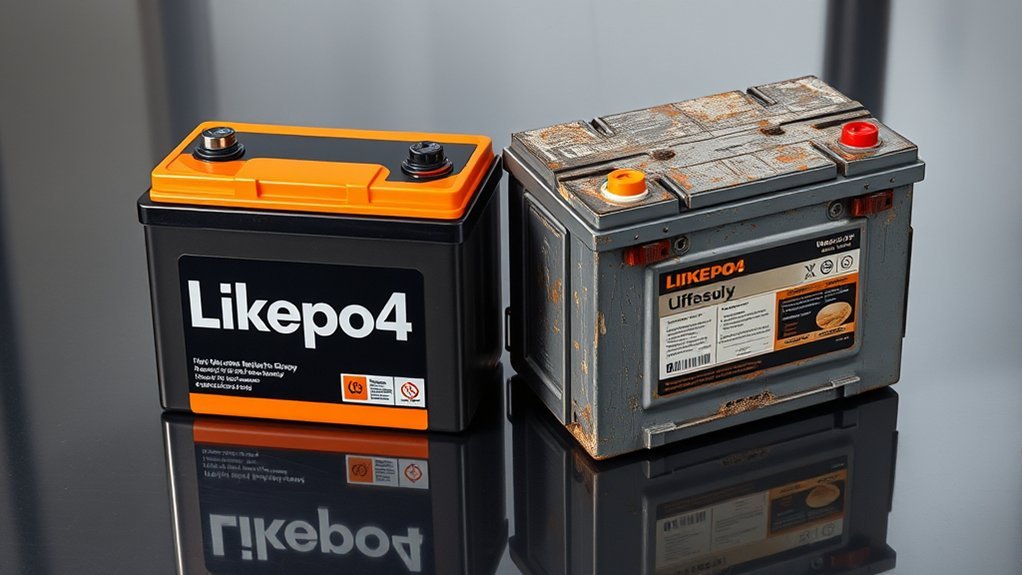
The lifespan of batteries is primarily shaped by their chemistry, usage patterns, and maintenance practices. Variations in chemical composition influence how each type endures cycling and environmental stresses, while usage intensity and frequency accelerate wear. Proper maintenance, including charging protocols and thermal management, markedly extends operational life and preserves performance.
Battery Chemistry Differences
Battery chemistry plays a essential role in determining lifespan, as different chemistries inherently possess distinct electrochemical properties that affect their durability and performance over time. In a lifespan comparison, Lithium Iron Phosphate (LFP or Lifepo4) batteries demonstrate superior stability due to their robust chemical structure, which minimizes degradation during charge cycles. Conversely, lead acid batteries rely on lead plates and sulfuric acid, which are more susceptible to sulfation and corrosion, limiting their longevity. The electrochemical characteristics of Lifepo4 enable higher cycle counts and better thermal stability, directly influencing lifespan. Hence, understanding these fundamental chemical differences is indispensable when evaluating long-term performance, as battery chemistry fundamentally dictates how well each type withstands the demands of repeated use, impacting overall lifespan.
Usage Patterns Impact
Usage patterns markedly influence the lifespan of both Lifepo4 and lead-acid batteries, as operational practices determine how each chemistry responds to stress and wear over time. Frequent deep discharges accelerate capacity loss, particularly in lead-acid batteries, while Lifepo4 batteries withstand cycling better when managed within ideal voltage ranges. Overuse or improper cycling can also increase environmental impact through premature disposal, emphasizing the importance of effective recycling procedures. Proper usage minimizes degradation, extends service life, and reduces waste, benefiting both sustainability and resource recovery efforts. Recognizing these patterns helps maximize performance and lifespan, ultimately reducing the ecological footprint associated with battery production, use, and disposal. Informed operational practices are essential to maximizing the benefits of each chemistry while minimizing environmental impact.
Maintenance Practices Influence
Maintenance practices play a critical role in determining the lifespan of both Lifepo4 and lead-acid batteries by directly affecting their internal health and operational efficiency. Proper maintenance, including regular voltage checks, appropriate charging protocols, and avoiding deep discharges, minimizes degradation mechanisms. For lead-acid batteries, maintaining water levels and preventing sulfation are essential, while Lifepo4 batteries benefit from thermal management and balanced cell monitoring. These practices also influence the environmental impact, as well-maintained batteries reduce the need for premature replacements, supporting effective battery recycling. Proper upkeep extends usable life, decreases waste, and lessens the environmental footprint. Ultimately, diligent maintenance not only prolongs battery performance but also promotes sustainability within the energy storage lifecycle.
Typical Lifespan of LiFePO4 Batteries Versus Lead-Acid Batteries
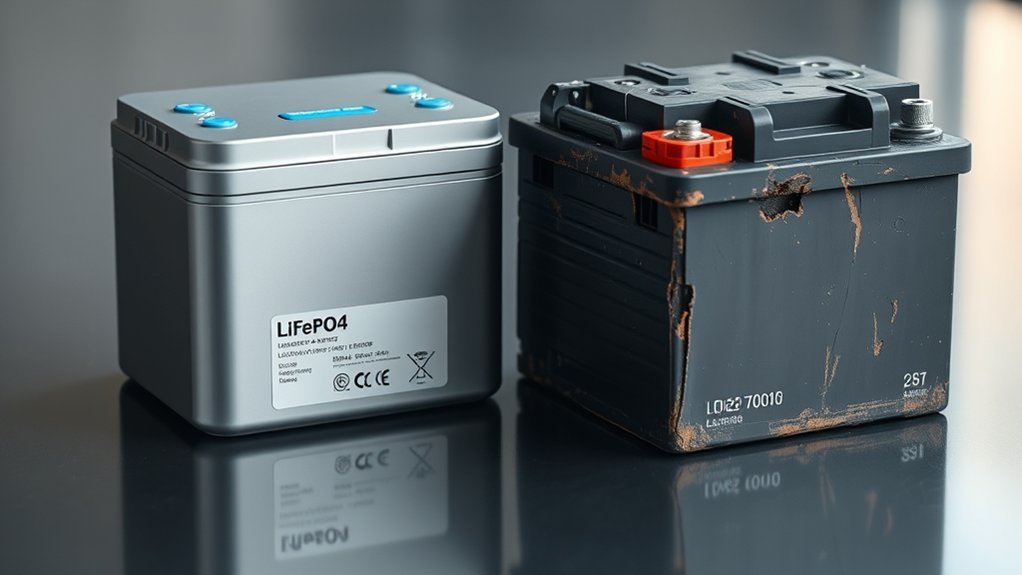
Although both LiFePO4 and lead-acid batteries serve as reliable energy storage solutions, their typical lifespans differ considerably due to their underlying chemistry and design. LiFePO4 batteries generally last between 2,000 to 5,000 charge cycles, translating to 8 to 15 years of service, depending on usage. In contrast, lead-acid batteries typically endure 500 to 1,000 cycles, equating to 3 to 5 years. The longer lifespan of LiFePO4 reduces the frequency of battery recycling, thereby lowering environmental impact over time. Conversely, lead-acid batteries require more frequent replacement, increasing waste and environmental concerns. These lifespan disparities highlight not only technical differences but also the importance of considering lifecycle impacts, including recycling efficiency and environmental sustainability when selecting energy storage solutions.
How Usage Patterns Impact the Durability of Both Battery Types
The way we operate and cycle both LiFePO4 and lead-acid batteries markedly influences their longevity. Frequent deep discharges or high cycling rates accelerate capacity loss, reducing lifespan. Proper management, such as avoiding overcharging or excessive cycling, preserves performance and minimizes environmental impact by decreasing premature battery recycling.
| Usage Pattern | Impact on Battery Durability |
|---|---|
| Deep Discharges | Accelerates capacity fade in lead-acid, less so in LiFePO4 |
| Frequent Full Cycles | Shortens lifespan, increases waste and environmental concerns |
| Partial Discharges | Extends life, reduces environmental footprint, maintains recycling viability |
Optimized usage patterns help maximize durability while mitigating environmental impact, ensuring both battery types serve longer with less waste.
Maintenance and Care Tips to Maximize Battery Longevity
Consistent charging practices and proper storage are critical to extending battery lifespan. Maintaining ideal charge levels prevents capacity loss, while correct storage conditions reduce degradation over time. Implementing these precise procedures can considerably enhance both Lifepo4 and lead acid battery longevity.
Regular Charging Practices
Proper charging practices are essential for maximizing battery lifespan, as improper handling can accelerate capacity loss and reduce overall efficiency. Consistently maintaining ideal charge levels prevents overcharging and deep discharges, which are particularly detrimental to lead acid batteries, but also impact Lifepo4 cells. Regularly monitoring voltage and temperature during charging helps avoid thermal stress and potential damage. Additionally, adopting correct charging protocols reduces the need for frequent replacements, supporting effective battery recycling and minimizing environmental impact. Proper charging not only preserves performance but also lessens hazardous waste, contributing to sustainable disposal practices. By adhering to precise charging routines, users extend battery life, optimize performance, and promote environmentally responsible lifecycle management.
Proper Storage Methods
To maximize battery longevity during storage, maintaining ideal conditions is vital, as improper storage can lead to capacity degradation and reduced lifespan. Proper storage involves keeping batteries in a cool, dry environment with a stable temperature—ideally around 20°C—to prevent capacity loss. Regularly monitoring voltage levels ensures batteries remain within the recommended range, avoiding deep discharges that harm lifespan. For Lifepo4 and lead acid batteries, partial charging prior to storage minimizes stress and deterioration. Additionally, responsible battery recycling is fundamental for reducing environmental impact, preventing hazardous materials from contaminating ecosystems. Implementing these storage practices not only prolongs battery life but also supports sustainable disposal, emphasizing the importance of environmentally conscious maintenance to optimize performance and minimize ecological harm.
Cost-Effectiveness Over Time: Which Battery Offers Better Value?
While initial purchase price is often a primary consideration, evaluating the long-term cost-effectiveness of Lifepo4 versus lead-acid batteries reveals more nuanced insights. Lifepo4 batteries typically have higher upfront costs but excel in longevity and efficiency, reducing replacement frequency and maintenance expenses. Lead-acid batteries, while cheaper initially, incur higher total costs over time due to shorter lifespans and more frequent replacements. Additionally, Lifepo4 batteries promote a lower environmental impact through better battery recycling processes, minimizing waste. The table below compares key cost factors:
| Aspect | Lifepo4 | Lead Acid | Cost Implication |
|---|---|---|---|
| Initial Price | Higher | Lower | Short-term affordability |
| Cycle Life | 2000+ cycles | 500-1000 cycles | Long-term durability |
| Maintenance Cost | Minimal | Regular, costly | Ongoing expenses |
| Recycling & Disposal | Eco-friendly, efficient | Less sustainable | Environmental impact |
| Total Cost Over Time | Lower over lifespan | Higher over lifespan | Better long-term value |
Making the Right Choice: Is a Longer Lifespan Worth the Investment?
Is investing in a battery with a longer lifespan truly justified by the initial higher cost? From a technical standpoint, Lifepo4 batteries typically offer extended cycle life compared to lead acid, reducing replacement frequency and overall lifecycle expenses. This durability can positively influence battery recycling, as fewer replacements mean less waste and resource consumption. Although the upfront expense is higher, the environmental impact diminishes over time due to decreased disposal needs. The longer lifespan translates into lower total cost of ownership, especially when considering maintenance and replacement costs. Therefore, when analyzing long-term value, the environmental benefits and reduction in waste make a compelling case for investing in more durable batteries, even if the initial investment is greater.
Frequently Asked Questions
How Do Environmental Conditions Affect the Lifespan of Lifepo4 and Lead-Acid Batteries?
Environmental conditions, especially temperature sensitivity and storage practices, markedly impact both Lifepo4 and lead-acid batteries. We find that ideal temperatures prolong lifespan, while poor storage practices accelerate degradation, with Lifepo4 generally more resilient to temperature fluctuations.
Can Battery Age Impact Performance Even if Not Fully Discharged?
Like a seasoned traveler, battery age influences performance regardless of discharge, as battery chemistry and charging cycles cause gradual capacity loss. We observe this in both Lifepo4 and lead-acid batteries, affecting efficiency over time, even without full discharge.
Are There Warranty Differences Related to Lifespan Between the Two Battery Types?
We find that warranty policies often reflect battery manufacturing quality and expected lifespan, with Lifepo4 batteries generally offering longer warranties due to their durability, whereas lead-acid batteries typically have shorter warranties linked to their comparatively limited lifespan.
How Does Depth of Discharge Influence the Longevity of Each Battery?
We observe that deeper discharges reduce charge cycles, accelerating battery degradation in both Lifepo4 and lead acid batteries. Lifepo4’s higher tolerance to deeper discharges offers longer overall longevity, whereas lead acid batteries degrade faster with increased depth of discharge.
What Are the Recycling Implications for Lifepo4 Versus Lead-Acid Batteries?
Did you know lead-acid batteries are recycled at a 99% rate, while LiFePO4 batteries face more complex disposal? Battery disposal for LiFePO4 involves advanced recycling processes, which can be more sustainable but require specialized handling.
Conclusion
In summary, the extended lifespan of LiFePO4 batteries is clearly supported by their chemistry and durability, often exceeding lead-acid batteries by a significant margin. While initial costs may be higher, their long-term benefits—fewer replacements, lower maintenance, and environmental advantages—make them a superior choice for many applications. Ultimately, investing in LiFePO4 batteries is justified when considering total lifecycle costs and sustainability, confirming that longer lifespan truly enhances overall value.