As we consider shifting from lead-acid to LiFePO4 batteries, it’s essential to evaluate the technical and economic implications carefully. The decision impacts system performance, safety standards, and long-term costs. We recognize that understanding the key differences, benefits, and potential challenges can influence whether this switch aligns with your operational goals. Exploring these aspects thoroughly can reveal if this advanced energy storage solution truly offers the advantages you need, prompting a closer look at the details ahead.
Key Takeaways
- LiFePO4 batteries offer longer cycle life and improved safety compared to lead-acid, ensuring more reliable long-term performance.
- Transitioning requires verifying compatibility in voltage, capacity, and discharge profiles for your specific application.
- Although initial costs are higher, LiFePO4’s lower maintenance and longer lifespan reduce total lifecycle expenses.
- Proper recycling protocols and charger adjustments are essential to maximize safety and efficiency during the switch.
- The switch supports environmental sustainability through reduced hazardous waste and easier, eco-friendly recycling options.
Why Switch From Lead-Acid to Lifepo4 Batteries?
While lead-acid batteries have long been the standard for energy storage, advancements in lithium iron phosphate (LiFePO4) technology offer compelling advantages that prompt a shift. LiFePO4 batteries provide enhanced cycle life, greater safety, and more consistent performance, making them a superior choice for many applications. From an environmental perspective, LiFePO4 batteries have a lower environmental impact due to reduced toxic materials and more efficient battery recycling processes. Unlike lead-acid batteries, which pose significant challenges in battery recycling and disposal, LiFePO4 batteries generate less hazardous waste, simplifying end-of-life management. These factors contribute to a more sustainable energy storage solution, aligning with global efforts to minimize ecological footprints while maintaining reliable power systems.
Understanding the Key Differences Between Lead-Acid and LiFePO4 Batteries
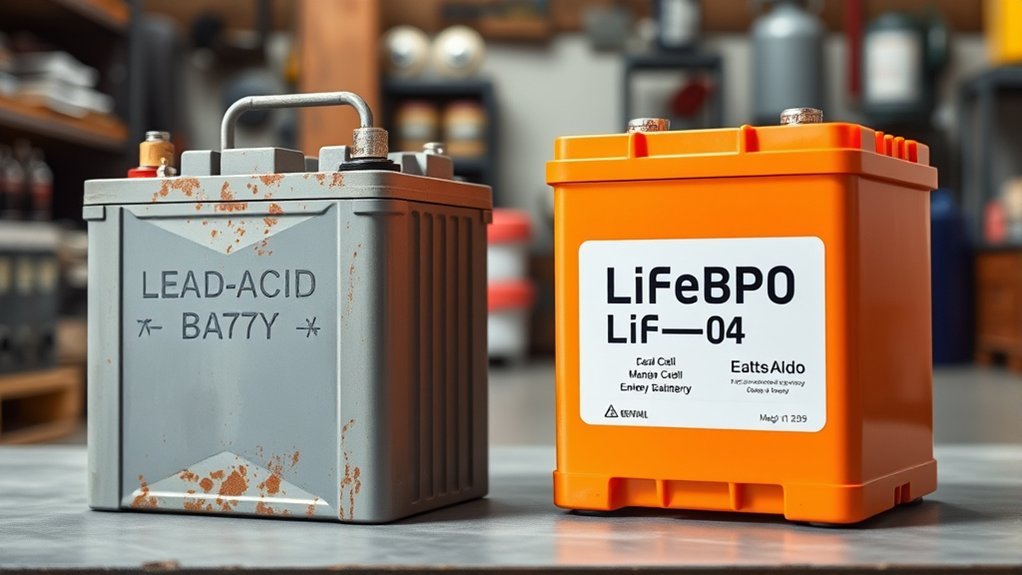
We recognize that energy density, charging protocols, and durability are critical factors distinguishing lead-acid from LiFePO4 batteries. Lead-acid batteries typically offer lower energy density and require more maintenance, whereas LiFePO4 batteries provide higher capacity with longer cycle life. Analyzing these differences helps us understand the advantages of shifting to LiFePO4 for enhanced performance and reliability.
Energy Density Comparison
Understanding the energy density of batteries is essential when evaluating their performance and suitability for specific applications. Lead-acid batteries typically offer lower energy densities, around 30-50 Wh/kg, limiting their use in compact energy storage. In contrast, LiFePO4 batteries provide higher energy densities, approximately 90-160 Wh/kg, enabling more efficient energy storage solutions with less space and weight. This difference impacts overall system design, especially in portable or space-constrained environments. Additionally, the higher energy density of LiFePO4 contributes to improved battery recycling, as fewer batteries are needed for the same capacity, reducing environmental impact. The table below summarizes these distinctions:
| Battery Type | Energy Density (Wh/kg) | Implication |
|---|---|---|
| Lead-Acid | 30-50 | Larger, heavier systems |
| LiFePO4 | 90-160 | Compact, efficient |
Charging and Maintenance
What are the key differences in charging and maintenance protocols between lead-acid and LiFePO4 batteries? LiFePO4 batteries require more precise charging parameters, including a constant current/constant voltage (CC/CV) profile, which optimizes lifespan and performance. In contrast, lead-acid batteries demand regular equalization and water level checks, increasing maintenance complexity.
Key distinctions include:
- Charging Voltage and Current: LiFePO4 batteries tolerate higher charge rates with stable voltage, reducing overcharging risks. Lead-acid systems need careful voltage regulation to prevent damage.
- Maintenance Requirements: LiFePO4 batteries demand minimal maintenance, eliminating water refilling, whereas lead-acid batteries require ongoing upkeep.
- Environmental Impact & Recycling: Both types involve battery recycling, but LiFePO4’s non-toxic chemistry offers a lesser environmental footprint, aligning with sustainable practices.
Longevity and Durability
While both lead-acid and LiFePO4 batteries are designed to store electrical energy, their longevity and durability differ markedly due to their chemical compositions and construction. Lead-acid batteries typically endure around 500-1000 cycles, with degradation accelerating through deep discharges. In contrast, LiFePO4 batteries exhibit a longer cycle life, often exceeding 2000 cycles, with minimal capacity loss over time. This durability translates to reduced replacement frequency, decreasing the need for frequent battery recycling and lowering environmental impact. Additionally, LiFePO4’s stable chemistry enhances safety and longevity, while lead-acid batteries are more prone to corroding and leaking. Consequently, LiFePO4 batteries represent a more sustainable option, offering improved lifespan and facilitating environmentally responsible disposal practices.
How to Assess If LiFePO4 Is the Right Choice for Your Needs
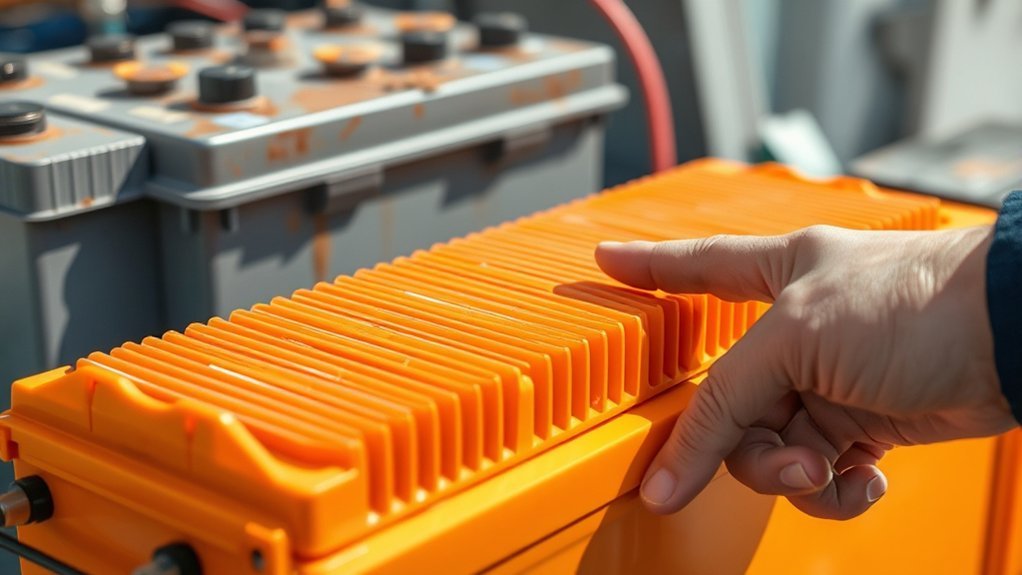
To determine if LiFePO4 batteries suit your application, we need to evaluate device compatibility, cost implications, and long-term maintenance requirements. Analyzing these factors allows us to assess whether the investment aligns with your operational demands and budget constraints. This structured approach guarantees an informed decision based on technical and economic considerations.
Compatibility With Devices
Determining if LiFePO4 batteries are compatible with your devices requires a precise evaluation of their electrical specifications and operational parameters. First, verify that the voltage and current ratings match your device’s requirements to prevent damage or underperformance. Second, assess the battery’s discharge profile to ensure it can sustain peak loads without voltage drops that could impair device functionality. Third, consider the long-term environmental impact and battery recycling options, as LiFePO4 offers advantages over lead-acid in reducing waste and toxicity. Compatibility hinges on these technical factors, but also on understanding how the environmental benefits align with your sustainability goals. Proper assessment guarantees efficient operation and supports eco-friendly disposal, reinforcing LiFePO4’s suitability for modern, environmentally conscious usage.
Cost and Budget Considerations
Evaluating whether LiFePO4 batteries align with your budget involves analyzing both initial investment costs and long-term savings. Although the upfront expense is higher than lead-acid options, LiFePO4 offers greater efficiency, reducing replacement cycles and operational costs over time. Additionally, considering battery recycling programs guarantees responsible disposal, minimizing environmental impact and potential future costs related to waste management. The lower degradation rate of LiFePO4 batteries extends their lifespan, translating into fewer replacements and savings on maintenance. While the initial investment may seem significant, the reduced environmental footprint and potential for sustainable recycling make LiFePO4 a financially and ethically sound choice. Careful assessment of these factors helps determine if the long-term benefits justify the initial expenditure.
Longevity and Maintenance
Evaluating whether LiFePO4 batteries are suitable for your application requires a thorough understanding of their longevity and maintenance requirements. LiFePO4 batteries generally last longer than lead acid, with 2000-5000 charge cycles, reducing replacement frequency. Proper maintenance includes regular voltage monitoring and avoiding deep discharges, which can extend lifespan and optimize performance. Additionally, understanding the environmental impact is vital; LiFePO4 batteries are more eco-friendly due to lower toxicity and better recyclability. Battery recycling programs help minimize waste and recover valuable materials, supporting sustainability. When evaluating long-term costs, consider that their durability decreases overall lifecycle costs despite higher initial investment. This analysis ensures your choice aligns with environmental standards and operational needs.
Step-By-Step Guide to Replacing Lead-Acid With Lifepo4 Batteries
To successfully replace lead-acid batteries with LiFePO4 units, we must approach the process systematically, guaranteeing compatibility and safety at each step. First, verify that the new LiFePO4 battery bank matches the voltage and capacity requirements of the existing system. Next, disconnect and remove the lead-acid batteries, taking care to follow proper battery recycling protocols to mitigate environmental impact. During installation, confirm all wiring and fusing adhere to manufacturer specifications to prevent potential hazards. Finally, perform thorough system testing before regular operation. Throughout this process, consider the environmental benefits of responsible disposal and recycling of old batteries. This methodical approach guarantees a safe transition while acknowledging the ecological implications of battery replacement.
Benefits of Upgrading to Lithium Iron Phosphate Batteries
Upgrading to Lithium Iron Phosphate (LiFePO4) batteries offers numerous technical and operational advantages that make them a compelling choice for energy storage systems. These batteries deliver higher energy density and longer cycle life, reducing the frequency of replacements and maintenance costs. Additionally, LiFePO4 batteries are safer, with thermal stability that minimizes the risk of fires or explosions. From an environmental perspective, they have a lower environmental impact due to extended lifespan and enhanced battery recycling options, which reduce waste.
Here are key benefits:
- Improved longevity and reduced replacement cycles
- Enhanced safety and thermal stability
- Lower environmental impact through better battery recycling practices
These factors make LiFePO4 a sustainable, efficient upgrade from traditional lead-acid systems.
Common Challenges and How to Overcome Them During Transition
Shifting from lead-acid to LiFePO4 batteries often involves technical and logistical challenges that require careful planning and execution. One key issue is managing the environmental impact, especially regarding battery recycling. LiFePO4 batteries contain fewer toxic materials, but proper disposal protocols remain essential to prevent environmental contamination. Moving also demands compatibility assessments of existing systems, such as chargers and inverters, to avoid operational inefficiencies. Additionally, supply chain limitations may complicate procurement and increase costs. Overcoming these challenges requires thorough technical analysis, strategic planning, and establishing responsible recycling practices. By addressing these hurdles proactively, we can guarantee a smoother shift that minimizes environmental footprint, aligns with sustainability goals, and maximizes the benefits of adopting advanced battery technology.
Maintenance Tips for Longevity of Your LiFePO4 Batteries
Proper maintenance is essential to maximize the lifespan and performance of your LiFePO4 batteries. Regular monitoring of voltage and temperature helps prevent overcharging or overheating, which can degrade cell integrity. To guarantee longevity, we recommend:
- Implementing a balanced charging cycle to maintain consistent voltage levels and prevent capacity loss.
- Conducting routine capacity tests to identify early signs of degradation, supporting proactive replacements and reducing environmental impact.
- Promoting responsible battery recycling at end-of-life, minimizing environmental footprint and supporting sustainable practices.
Adhering to these maintenance practices not only extends battery life but also aligns with ecological responsibility, reducing waste and facilitating proper disposal. Proper maintenance therefore optimizes operational efficiency while addressing environmental concerns associated with battery recycling.
Cost Analysis: Is Switching to LiFePO4 Worth the Investment?
While the initial investment in LiFePO4 batteries may be higher than traditional lead-acid options, a thorough cost analysis reveals that their long-term financial benefits can justify the expense. LiFePO4’s superior cycle life reduces replacement frequency, lowering lifecycle costs. Additionally, these batteries have a smaller environmental impact, supported by efficient battery recycling processes that minimize hazardous waste. Although the upfront cost is notable, savings accrue through lower maintenance, higher efficiency, and extended lifespan. When factoring in environmental considerations, LiFePO4 batteries present a sustainable alternative that aligns with ecological responsibility. Overall, the initial premium is offset by operational savings and reduced environmental liabilities, making the shift financially and environmentally advantageous for long-term energy storage solutions.
Frequently Asked Questions
How Long Do Lifepo4 Batteries Typically Last Compared to Lead-Acid?
Lifepo4 batteries typically last 8-10 years with proper maintenance, outperforming lead-acid batteries, which usually last 3-5 years. Their extended lifespan and lower maintenance requirements make them a more durable, cost-effective energy storage solution.
Are There Specific Chargers Required for Lifepo4 Batteries?
Yes, Lifepo4 batteries require specific chargers that follow proper charging protocols and incorporate battery management systems, ensuring ideal performance and safety. These chargers prevent overcharging and maintain battery longevity through precise voltage and current regulation.
Can Lifepo4 Batteries Be Recycled Easily?
We believe Lifepo4 batteries are recyclable with proper battery recycling processes, substantially reducing environmental impact. Their materials can be reclaimed efficiently, supporting sustainable practices and minimizing hazardous waste, unlike traditional lead-acid batteries.
What Are the Safety Considerations When Handling Lifepo4 Batteries?
We prioritize safety by adhering to battery manufacturing standards and disposal protocols, ensuring proper handling to prevent short circuits, thermal runaway, or leaks; always wear protective gear and follow manufacturer guidelines to mitigate risks effectively.
How Do Temperature Extremes Affect Lifepo4 Battery Performance?
Like a seasoned sailor steering stormy seas, we see that temperature extremes challenge Lifepo4 batteries’ thermal stability and temperature resilience, impairing performance; maintaining ideal conditions guarantees longevity, safety, and consistent energy output.
Conclusion
In conclusion, switching to LiFePO4 batteries is a strategic move that can transform your energy system into a more resilient and efficient powerhouse. While the initial investment may seem steep, the long-term benefits—extended cycle life, improved safety, and lower maintenance—outshine the upfront costs. Like a well-oiled machine, a properly transitioned battery system ensures optimal performance, sustainability, and cost-effectiveness, making the switch a prudent choice for forward-thinking applications.