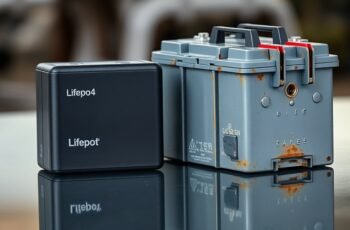
As the saying goes, “you get what you pay for,” but in the domain of RV batteries, the choice between Lifepo4 and lead-acid involves more nuanced considerations. Both options have distinct advantages and drawbacks that can considerably impact performance, longevity, and overall value. Understanding these differences requires a closer look at their technical specifications and long-term implications, which could influence your decision for off-grid adventures. So, which type truly aligns with your RV needs?
Key Takeaways
- Lifepo4 batteries offer higher energy density and longer lifespan, making them more suitable for extended RV trips.
- They require minimal maintenance and have safer thermal characteristics compared to lead-acid batteries.
- Lifepo4 batteries have a higher initial cost but lower long-term ownership expenses due to durability.
- They support faster charging and better performance under varying loads, ideal for demanding RV use.
- Environmentally, Lifepo4 batteries are less toxic and easier to recycle than lead-acid options.
Comparing Lifepo4 and Lead-Acid Batteries: Which Is Better for RV Use?
When choosing between Lifepo4 and lead-acid batteries for RV applications, understanding their fundamental differences is essential for making an informed decision. Lifepo4 batteries offer a longer lifespan and higher efficiency, reducing the frequency of replacement and waste. This directly benefits battery recycling efforts, as Lifepo4 cells are less toxic and easier to recycle compared to lead-acid counterparts, which contain hazardous materials like lead and sulfuric acid. From an environmental impact perspective, Lifepo4 batteries generate fewer harmful emissions during manufacturing and disposal. Additionally, their higher energy density means fewer batteries are needed for the same capacity, further minimizing environmental footprint. Overall, Lifepo4 batteries present a more sustainable choice for environmentally conscious RV owners, aligning performance benefits with responsible disposal and recycling practices.
How Performance and Capacity Differ Between Lifepo4 and Lead-Acid Batteries
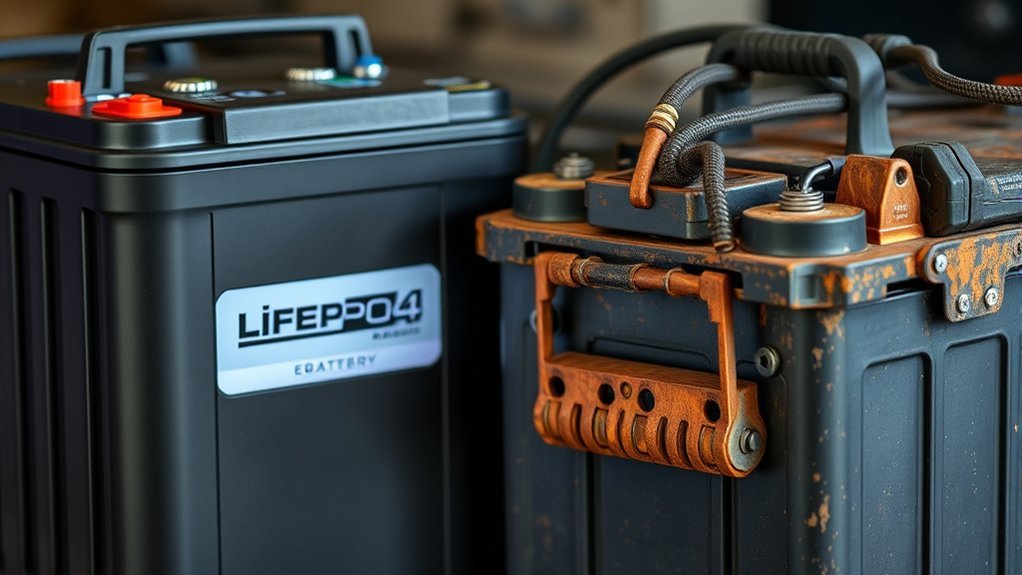
Although both Lifepo4 and lead-acid batteries serve as reliable energy sources for RVs, they differ markedly in their performance characteristics and capacity metrics. Lifepo4 batteries offer higher energy density, enabling greater capacity in a compact form, which translates into longer usable runtime. Their charge acceptance and discharge rates are superior, providing more consistent power output under varying loads. Conversely, lead-acid batteries typically have lower depth of discharge limits, reducing effective capacity over time. From an environmental perspective, Lifepo4 batteries present advantages in battery recycling, as they contain fewer toxic materials, minimizing environmental impact. Lead-acid batteries pose greater challenges in recycling and disposal, contributing to environmental concerns. These performance and capacity distinctions are critical for optimizing RV power systems and environmental sustainability.
Lifepo4 vs Lead-Acid: Understanding Lifespan, Maintenance, and Safety
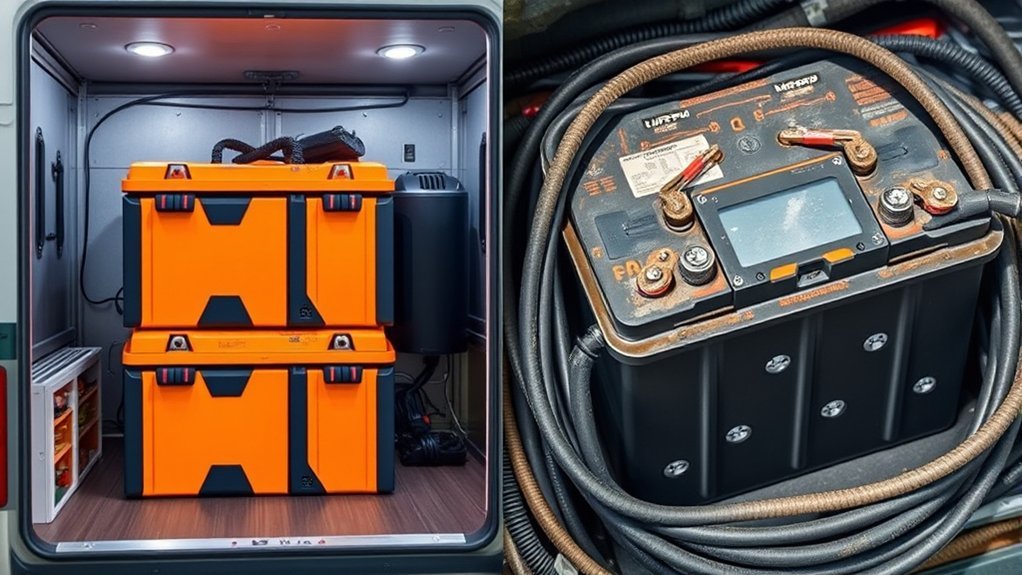
Lifepo4 batteries generally outlast lead-acid counterparts due to their deeper cycle life and more stable chemistry, making them a cost-effective choice over time. Their lifespan typically exceeds 2,000 cycles, compared to 500-1,000 for lead-acid, reducing replacement frequency. Maintenance is minimal—lifepo4 batteries don’t require regular watering or equalization, unlike lead-acid types that demand consistent upkeep to prevent sulfation. Safety-wise, lifepo4 batteries are less prone to thermal runaway and produce fewer hazardous gases, enhancing user safety. Environmentally, they have a lower environmental impact, especially considering advancements in battery recycling that facilitate safer disposal and reuse. These factors collectively contribute to a more sustainable and resilient energy storage solution for RV applications.
Evaluating Cost and Value: Is Lifepo4 Worth the Investment Over Lead-Acid?
While Lifepo4 batteries offer notable advantages in lifespan and safety, their higher upfront cost prompts a careful analysis of long-term value. Over time, Lifepo4’s durability reduces replacement frequency, lowering total ownership costs. Additionally, Lifepo4 batteries are more environmentally friendly, with easier battery recycling processes and a reduced environmental impact compared to lead-acid options. Lead-acid batteries require more frequent maintenance and generate hazardous waste, increasing disposal concerns. Although initial costs are higher for Lifepo4, the extended cycle life and lower maintenance expenses can justify the investment. Evaluating these factors, including environmental considerations and recycling efficiency, helps determine if Lifepo4 provides a worthwhile, sustainable long-term solution over lead-acid for RV applications.
Which Battery Type Suits Your RV and Camping Style Best?
Selecting the right battery type for your RV depends heavily on your specific camping style and energy needs. Lifepo4 batteries offer high energy density, longer lifespan, and faster charging—ideal for extended trips or off-grid camping. Lead-acid batteries are more affordable upfront but require more maintenance and have shorter cycle life, fitting for casual or short-term use. When choosing, consider the environmental impact; Lifepo4 batteries are more environmentally friendly due to their durability and safer recycling process, reducing waste and pollution. Battery recycling practices are vital for both types, but Lifepo4’s longer lifecycle minimizes disposal frequency. Your decision should balance initial costs, sustainability goals, and your power demands, ensuring you select a battery that aligns with your camping duration and environmental values.
Frequently Asked Questions
Can Lifepo4 Batteries Be Used With Existing RV Electrical Systems?
Yes, lifepo4 batteries can be integrated into existing RV systems, offering longer lifespan and improved efficiency. Our cost analysis shows they may be initially pricier but save money over time due to durability and reduced maintenance requirements.
How Do Temperature Extremes Affect Lifepo4 and Lead-Acid Batteries?
Temperature extremes reduce temperature resilience, impacting both batteries’ performance and safety; lead-acid batteries suffer from decreased lifespan in cold, while Lifepo4 batteries are more resilient but still experience capacity loss, emphasizing the importance of temperature management for longevity.
Are Lifepo4 Batteries Environmentally Friendly Compared to Lead-Acid?
We find LiFePO4 batteries more environmentally friendly due to safer chemical safety profiles and easier battery recycling processes, reducing hazardous waste. Conversely, lead-acid batteries pose greater environmental risks through toxic chemical handling and more complex recycling challenges.
What Are the Charging Time Differences Between Lifepo4 and Lead-Acid Batteries?
We find Lifepo4 batteries charge considerably faster than lead-acid, thanks to their superior chemistry, reducing charging time by up to 50%. Their longer battery longevity and lower maintenance requirements make them a more efficient, reliable choice.
How Does Battery Weight Impact RV Storage and Travel?
Think of battery weight as the anchor of our RV’s storage ship; heavier batteries like lead-acid take up more space, limiting capacity and mobility, while lighter Lifepo4 batteries optimize storage and enhance our travel efficiency.
Conclusion
As we weigh the long-term benefits of Lifepo4 against lead-acid, the decision hinges on more than just upfront costs. Imagine your RV seamlessly powering through extended adventures, with batteries that endure season after season. The choice we make now shapes not only our journeys but our environmental footprint. Will you opt for the proven durability and safety of Lifepo4, or settle for the familiar, yet limited, lead-acid? The future of your RV’s power awaits that critical decision.