Studies show that poorly maintained battery terminals can reduce overall efficiency by up to 20%, leading to increased operational costs and potential safety hazards. As professionals committed to peak performance, we understand that meticulous cleaning of LiFePO₄ battery terminals is critical for ensuring consistent power delivery and extending battery life. Proper procedures prevent corrosion buildup and connection issues, but neglecting these steps can cause significant setbacks. Let’s explore the essential methods to keep your battery terminals in top condition.
Key Takeaways
- Use non-abrasive brushes and mild cleaning solutions like distilled water to remove corrosion and dirt from terminals.
- Disconnect the battery before cleaning and wear insulated gloves and safety goggles for protection.
- Dry terminals thoroughly with a lint-free cloth after cleaning to prevent moisture-related corrosion.
- Apply a conductive protective coating or corrosion inhibitor to prevent future buildup.
- Regularly inspect terminals for signs of corrosion, dirt, or damage, and seek professional help if issues persist.
Why Keeping Your Lifepo4 Battery Terminals Clean Matters
Keeping your LiFePO4 battery terminals clean is essential because corrosion, dirt, and oxidation can considerably impair electrical conductivity and overall performance. The unique battery chemistry of LiFePO4 relies on stable electrochemical reactions, which can be disrupted by contaminants at the terminal connections. Proper terminal design minimizes the risk of corrosion accumulation, but even well-designed terminals require regular maintenance. When dirt or oxidation form on the terminals, they increase resistance, reducing efficiency and potentially causing voltage drops. Clean terminals ensure maximum contact, promoting efficient current flow and prolonging battery life. Regular cleaning prevents degradation caused by environmental factors, helping maintain the battery’s integrity and performance over time. Understanding the interplay between battery chemistry and terminal design emphasizes the importance of meticulous terminal maintenance.
Recognizing Signs of Corrosion or Dirt on Battery Terminals
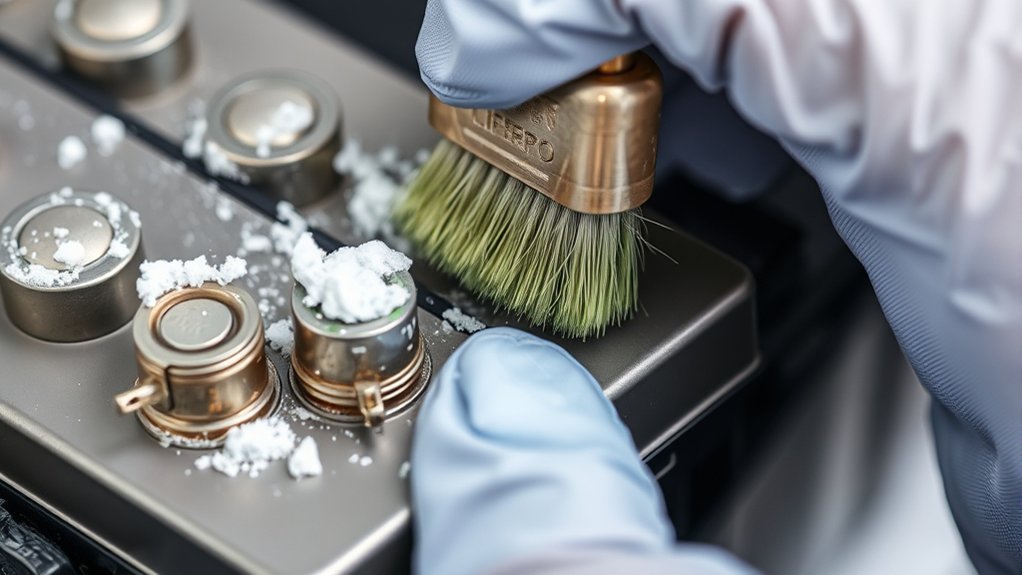
Since corrosion and dirt can compromise electrical connections, it is crucial to identify their presence early. Visual inspection reveals typical signs such as white, bluish, or greenish deposits on the battery material, indicating corrosion. Dirt buildup may appear as a dark, greasy film or particulate accumulation, which can obscure the terminal design features. Corrosion often occurs at the interface between the terminal and cable, especially in areas with complex terminal design or exposed metal surfaces. Recognizing these signs promptly ensures reliable performance and prevents potential damage. Pay close attention to any irregular discoloration, powdery residues, or compromised structural integrity. Early detection allows for targeted cleaning, preserving the integrity of the battery’s electrical connection and prolonging its lifespan.
Gathering the Right Tools and Materials for Cleaning
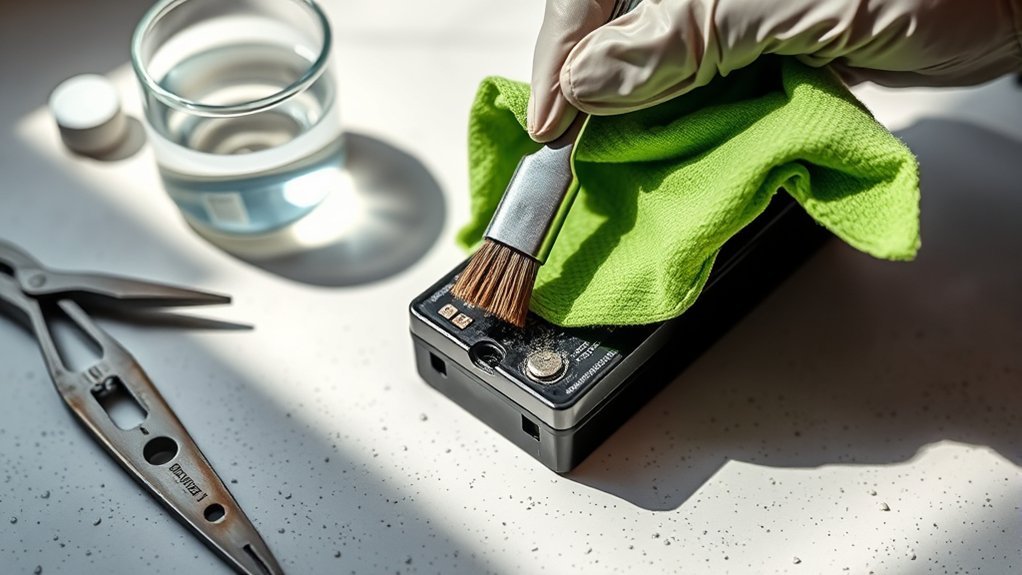
To guarantee effective cleaning, we must gather essential supplies such as non-abrasive brushes, insulated tools, and appropriate cleaning solutions. Equally important is assembling protective equipment like gloves and safety goggles to prevent contact with corrosive residues. Precise selection of these materials enhances safety and maintains the integrity of the battery terminals.
Essential Cleaning Supplies
Before beginning the cleaning process, we must gather the appropriate tools and materials to guarantee safety and effectiveness. Selecting supplies compatible with Lifepo4 battery chemistry is vital, as improper materials can cause damage or safety hazards. We need insulated tools, such as non-metallic brushes and plastic scrapers, to prevent accidental shorts. A multimeter is essential for verifying voltage and ensuring proper charging techniques before and after cleaning. We should also have a solution of distilled water and mild, non-abrasive cleaning agents to remove corrosion without damaging terminals. Properly labeled cloths or wipes are necessary for drying and inspection. Ensuring our supplies are suitable for Lifepo4 chemistry helps maintain battery integrity while adhering to correct charging techniques during maintenance.
Protective Equipment Needed
Proper protective equipment is vital to guarantee safety during the cleaning process of Lifepo4 battery terminals. We must wear insulated gloves to prevent electrical shocks and safety goggles to protect against acid splashes or debris. A lab coat or long-sleeved clothing guarantees skin protection from corrosive residues. In addition, using a mask or respirator is recommended when handling cleaning agents to avoid inhaling harmful fumes. Handling contaminated materials responsibly is essential for environmentally conscious battery recycling, minimizing potential environmental impact. Proper PPE not only safeguards personnel but also helps contain hazardous waste, reducing ecological footprint. Ensuring meticulous use of protective gear aligns with best practices for safe, environmentally responsible battery maintenance and disposal.
Step-by-Step Guide to Safely Cleaning Battery Terminals
To guarantee a safe cleaning process, we must first gather all necessary cleaning supplies and protective gear. We then follow strict safety precautions to prevent electrical shorts or personal injury. This systematic approach guarantees an effective and secure maintenance procedure.
Gather Cleaning Supplies
Have you gathered all the necessary cleaning supplies to guarantee a safe and effective battery terminal cleaning process? Essential tools include non-metallic brushes, insulated gloves, and a clean, lint-free cloth to prevent accidental short circuits. A mixture of baking soda and distilled water serves as an effective cleaning agent, neutralizing corrosion and maintaining peak charging efficiency. Additionally, a plastic scraper can remove stubborn deposits without damaging terminals. For safety and environmental considerations, have a container designated for battery recycling of removed debris and corrosion. Ensuring these supplies are ready minimizes contamination risks and supports proper maintenance routines. Proper preparation with precise materials enhances the longevity of your LiFePO4 battery, preserves its performance, and aligns with best practices for battery system sustainability.
Follow Safety Precautions
Before beginning the cleaning process, we must prioritize safety by implementing specific precautions to prevent electrical hazards and personal injury. Understanding the battery chemistry of Lifepo4 cells helps us recognize that they are generally safer than other chemistries but still require caution, especially during charging cycles, when residual voltage may be present. Always disconnect the battery from its power source and wear insulated gloves and eye protection. Confirm the workspace is dry, well-ventilated, and free of conductive materials. Avoid working on the terminals if the battery is still in a charging cycle or has residual voltage. Properly grounding yourself helps prevent static discharge or accidental short circuits. Following these safety measures minimizes risks and preserves the integrity of the battery during cleaning.
How to Inspect and Maintain Your Terminals After Cleaning
After completing the cleaning process, inspecting your battery terminals thoroughly guarantees peak performance and longevity. We examine the terminals for signs of terminal discoloration, which can indicate corrosion or oxidation. Discoloration often appears as a white, green, or bluish film, signaling compromised conductivity. We also check for any residual debris or deposits that could hinder efficient battery charging. Ensuring the terminals are free of corrosion and smooth to the touch helps maintain excellent electrical contact. We verify that the terminal connectors are securely fastened, with no looseness or signs of wear. Regular inspection after cleaning allows us to detect early issues that could impair battery performance, enabling timely intervention and preserving the lifespan of your Lifepo4 battery system.
Tips for Preventing Future Corrosion and Dirt Buildup
Regular inspections of battery connections guarantee early detection of potential corrosion, allowing for prompt intervention. Applying protective coatings provides a barrier against moisture and contaminants, reducing buildup risks. Proper storage methods minimize exposure to environmental factors that accelerate deterioration, maintaining terminal integrity over time.
Regularly Inspect Connections
To prevent corrosion and dirt buildup, we must routinely inspect battery terminal connections for signs of deterioration or contamination. Understanding the battery chemistry of Lifepo4 cells helps us recognize potential vulnerabilities, such as corrosion caused by moisture ingress or electrolyte leaks. Regular inspections should focus on loose or corroded terminals, discoloration, or residue buildup, which can impair electrical conductivity. Additionally, monitoring the effects of charging cycles is essential; frequent or improper charging can accelerate corrosion or lead to surface deposits. We should use a meticulous approach, removing any dirt or oxidation carefully while ensuring connections remain tight and secure. This proactive maintenance minimizes the risk of connection failures, preserves peak performance, and extends the lifespan of the battery system.
Apply Protective Coatings
Applying protective coatings to battery terminals provides a proactive barrier against moisture, dust, and other contaminants that can accelerate corrosion. A high-quality, conductive corrosion inhibitor forms a thin, durable layer that preserves electrical connectivity and maintains ideal battery capacity. This coating also minimizes the risk of dirt buildup, which can interfere with terminal contact and reduce charger compatibility. Proper application guarantees uniform coverage without excess, preventing potential insulation issues. Regularly reapplying the coating sustains its protective properties, especially in harsh environments. By maintaining clean, coated terminals, we help preserve the battery’s efficiency and longevity, ensuring consistent performance. Ultimately, this preventative measure safeguards against corrosion-related capacity loss and ensures reliable charging, extending the lifespan of the Lifepo4 battery system.
Store Batteries Properly
Have you considered how proper storage practices can markedly reduce the risk of future corrosion and dirt buildup on your Lifepo4 batteries? Effective battery storage is critical for maintaining excellent terminal condition and minimizing maintenance efforts. To guarantee longevity and reliable performance, follow these key principles:
- Store batteries in a cool, dry environment to prevent condensation and moisture-related corrosion.
- Keep terminals insulated and protected from dust and debris, reducing contamination risk.
- Regularly inspect stored batteries for signs of corrosion or dirt, and perform terminal maintenance as needed before reinstallation.
Implementing these practices ensures that your batteries remain in peak condition, reducing the frequency of cleaning and prolonging their service life through meticulous terminal maintenance and suitable storage conditions.
Common Mistakes to Avoid When Cleaning Battery Terminals
When cleaning LiFePO4 battery terminals, neglecting proper procedures can lead to damage or compromised performance. A common mistake in battery maintenance is using abrasive tools or harsh chemicals, which can erode terminal connections and worsen corrosion. Attempting to clean terminals with excessive force risks damaging sensitive components and increasing resistance, impairing power transfer. Another error is neglecting to disconnect the battery before cleaning, risking short circuits or personal injury. Failing to thoroughly dry terminals afterward can promote terminal corrosion, undermining long-term efficiency. Using the wrong cleaning agents, such as corrosive liquids, can accelerate deterioration. To prevent these issues, always follow meticulous cleaning protocols, employ suitable materials, and avoid shortcuts that jeopardize terminal integrity and overall battery health.
When to Seek Professional Help for Battery Terminal Issues
While minor corrosion or dirt buildup on battery terminals can often be addressed through careful cleaning, certain issues require professional assessment to guarantee safety and proper function. If you notice persistent corrosion despite cleaning, irregular charging methods affecting your battery’s performance, or signs of decreased battery lifespan, it’s time to seek expert help.
- Persistent corrosion or damage: Indicates underlying issues that could compromise terminal integrity or safety.
- Inconsistent charging performance: Suggests problems with charging methods or internal battery health.
- Unusual temperature fluctuations or swelling: Signifies potential internal damage requiring specialized diagnosis.
Addressing these issues promptly ensures maximum battery lifespan and prevents safety hazards, safeguarding your system’s long-term reliability.
Best Practices for Long-Term Battery Terminal Care
Maintaining clean and well-preserved battery terminals over the long term requires consistent, methodical practices that prevent corrosion and guarantee reliable connections. Understanding battery chemistry is essential, as Lifepo4 cells produce minimal gaseous byproducts, reducing corrosion risk. Regular inspection of terminals during charging cycles helps identify early signs of deterioration, enabling prompt cleaning and treatment. Applying anti-corrosion protectants specific to battery terminals can inhibit unwanted chemical reactions without compromising conductivity. Assuring proper tightening of terminal connections minimizes resistance buildup over time. Additionally, maintaining proper charge levels—avoiding overcharging or deep discharges—preserves the integrity of terminal contacts, prolonging overall lifespan. Adopting these meticulous practices ensures that the battery’s chemistry remains stable, and performance remains consistent through countless charging cycles.
Troubleshooting Persistent Problems With Battery Performance
Persistent issues with battery performance often stem from subtle, underlying faults that can evade casual inspection. These are typically rooted in factors such as degradation of battery chemistry or incomplete charging cycles. To troubleshoot effectively, consider these key aspects:
- Analyze Battery Chemistry Changes: Over time, chemical stability diminishes, reducing capacity and increasing internal resistance.
- Evaluate Charging Cycles: Excessive or shallow cycles can impair electrode integrity, leading to voltage inconsistencies.
- Inspect for Hidden Faults: Microfractures or corrosion at terminals may disrupt current flow despite proper maintenance.
Addressing these issues requires precise measurement and understanding of the battery’s internal state, ensuring that the performance decline isn’t misattributed to external factors. Accurate diagnostics can prevent premature replacement and optimize longevity.
Frequently Asked Questions
How Often Should I Clean My Lifepo4 Battery Terminals?
We suggest inspecting and cleaning our Lifepo4 battery terminals every three to six months to prevent battery corrosion and guarantee peak terminal protection. Regular maintenance preserves connection quality, prolongs battery lifespan, and prevents potential electrical issues.
Can I Use Household Cleaning Products on Battery Terminals?
We advise against household cleaning products on battery terminals; they can harm chemical safety. Instead, use appropriate cleaning tools and solutions, like a wire brush and isopropyl alcohol, for meticulous, safe maintenance that preserves battery integrity.
What Are the Safest Methods to Dispose of Old or Damaged Terminals?
We safely dispose of old or damaged terminals by neutralizing battery corrosion with appropriate solutions, sealing them in non-conductive containers, and following local electronic waste regulations for terminal replacement, ensuring environmental safety and preventing hazards.
How Do Temperature Changes Affect Battery Terminal Maintenance?
In the age of innovation, we recognize temperature effects markedly influence battery terminal maintenance; extreme heat accelerates corrosion, while cold can cause contraction, making diligent maintenance vital to prevent damage and guarantee ideal performance amid fluctuating conditions.
Are There Specific Cleaning Techniques for Different Battery Sizes?
Yes, we adapt cleaning techniques based on battery size; smaller batteries require gentle scrubbing with non-abrasive tools, while larger ones benefit from thorough surface cleaning, ensuring no conductive residue remains, to maintain ideal performance and safety.
Conclusion
Maintaining spotless LiFePO₄ battery terminals is essential for peak performance and longevity—much like a well-tuned engine in a vintage car. By following proper cleaning protocols, inspecting regularly, and avoiding common pitfalls, we guarantee reliable operation and extend our batteries’ lifespan. This meticulous approach prevents voltage drops and corrosion buildup, safeguarding our power systems. Regular care, akin to a master craftsman’s attention, keeps our batteries running smoothly for years to come.