We recognize that choosing the right battery can be complex, especially with so many options on the market. Lifepo4 batteries stand out for their safety, durability, and environmental benefits, making them a compelling choice for various applications. However, understanding how they work, their advantages, and how to properly maintain them is essential for making an informed decision. We’ll explore these aspects in detail to help you determine if a Lifepo4 battery is right for you.
Key Takeaways
- Lifepo4 batteries are rechargeable lithium-ion batteries known for safety, stability, and long lifespan.
- They use phosphate-based cathodes, reducing risks of overheating and thermal runaway.
- These batteries have a high cycle life, often exceeding 2000 cycles, making them durable and eco-friendly.
- They require proper charging, storage, and recycling to maintain performance and environmental safety.
- Compared to other batteries, Lifepo4 offers better safety, longer life, and easier recycling with lower ecological impact.
What Are Lifepo4 Batteries and How Do They Work?
LiFePO4 batteries, also known as lithium iron phosphate batteries, are a type of rechargeable lithium-ion battery characterized by their stable chemistry and high thermal stability. Their battery chemistry involves a phosphate-based cathode, which provides excellent chemical stability and safety. This stability reduces risks of thermal runaway, making them safer for various applications. From an environmental impact perspective, LiFePO4 cells contain no toxic heavy metals like cobalt or nickel, minimizing ecological concerns during manufacturing and disposal. The chemistry’s stability also leads to longer cycle life and higher thermal tolerance, which enhances durability. These attributes make LiFePO4 batteries suitable for sustainable energy solutions, as their environmentally friendly composition and reliable performance support eco-conscious usage and recycling efforts in the renewable energy sector.
Advantages of Using Lifepo4 Batteries Over Other Types
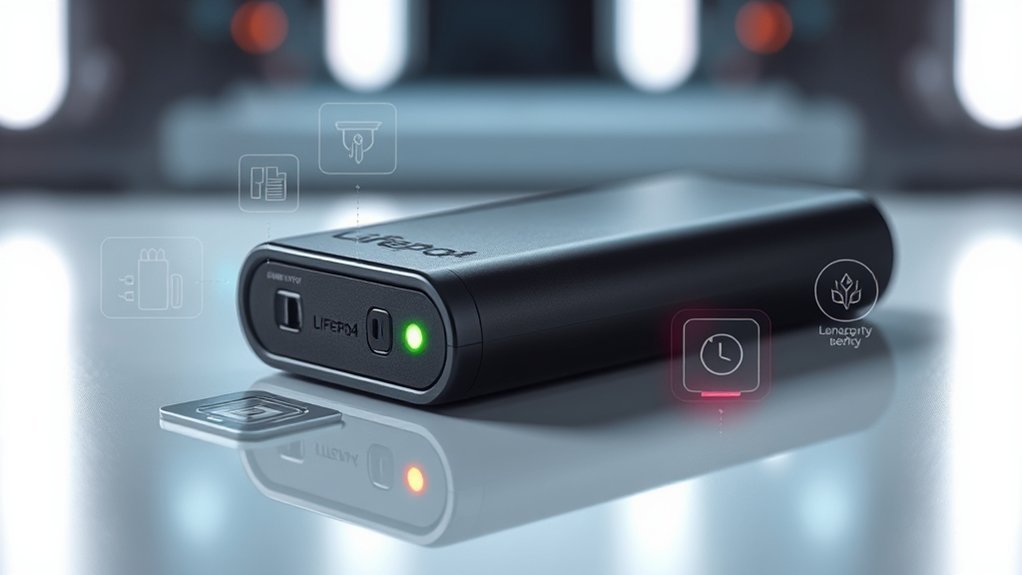
Compared to other lithium-ion chemistries, Lifepo4 batteries offer distinct advantages that make them particularly suitable for demanding applications. They feature higher thermal stability, reducing the risk of thermal runaway and enhancing safety during operation. Lifepo4 batteries also have a longer cycle life, which minimizes the frequency of replacements and supports sustainable use. Their environmentally friendly design simplifies battery recycling, decreasing hazardous waste and reducing environmental impact. Additionally, Lifepo4’s stable chemistry results in less degradation over time, further supporting eco-conscious practices. The combination of safety, longevity, and recyclability underscores their advantages over other lithium-ion types, making them an ideal choice for applications prioritizing environmental responsibility and operational reliability.
Key Factors to Consider When Choosing a Lifepo4 Battery

When selecting a Lifepo4 battery, evaluating specific technical factors that influence performance, safety, and longevity is essential. Key considerations include capacity, cycle life, and charge/discharge rates, which directly impact efficiency and operational lifespan. Additionally, analyzing the battery’s safety features and thermal management systems guarantees reliable performance under various conditions. Environmental impact is also critical; choosing batteries with sustainable manufacturing practices and supporting battery recycling initiatives minimizes ecological footprint. Furthermore, understanding the recyclability of Lifepo4 cells helps reduce waste and promotes sustainability. By carefully examining these factors, users can optimize performance while supporting environmentally responsible choices, guaranteeing that the battery not only meets technical requirements but also aligns with eco-friendly practices.
How to Properly Maintain and Extend the Lifespan of Your Lifepo4 Battery
Maintaining ideal charge levels and storage conditions is essential for prolonging your Lifepo4 battery’s lifespan. We recommend adhering to proper charging practices, such as avoiding overcharging or complete discharges, and storing the battery in a cool, dry environment when not in use. Implementing these methods ensures reliable performance and extends the overall longevity of your battery.
Regular Charging Practices
Have you ever wondered how to prolong the lifespan of your Lifepo4 battery through proper charging practices? Maintaining consistent charging cycles is vital, as excessive or shallow cycles can impact overall longevity. To guarantee optimal performance, avoid frequent deep discharges and charge within the recommended voltage range. Properly managing charging cycles minimizes stress on the battery and preserves capacity over time. Additionally, practicing responsible battery recycling is essential when the battery reaches its end-of-life, preventing environmental harm and supporting sustainable reuse of materials.
To implement effective charging practices, consider these guidelines:
- Use a compatible charger designed for Lifepo4 batteries to prevent overcharging.
- Avoid rapid charging, which can accelerate battery degradation.
- Regularly monitor voltage and temperature during charging to detect potential issues early.
Proper Storage Techniques
Proper storage of your Lifepo4 battery is essential to preserve its capacity and extend its lifespan. Store the battery in a cool, dry environment with a temperature range between 0°C and 25°C to prevent capacity loss. Maintain a state of charge around 50%, as storing it fully charged or discharged accelerates capacity degradation. Avoid exposing the battery to extreme temperatures, which can affect its internal chemistry and reduce lifespan. When not in use for extended periods, disconnect the battery and periodically check its voltage, recharging at a controlled, moderate charging speed if necessary. Responsible battery recycling is vital at the end of its life, preventing environmental harm. Proper storage techniques minimize capacity fade, optimize performance, and support sustainable battery lifecycle management.
Common Applications of Lifepo4 Batteries in Daily Life
Lifepo4 batteries are increasingly integrated into various everyday devices and systems due to their high energy density, safety, and long cycle life. They are commonly used in electric vehicles, portable power stations, and solar energy storage systems. These applications benefit from Lifepo4’s stable chemistry and durability, which minimize environmental impact and facilitate battery recycling efforts. Their extended lifespan reduces waste and supports sustainable energy solutions. Additionally, Lifepo4 batteries are favored in marine and RV applications, providing reliable power in demanding environments. The emphasis on battery recycling guarantees minimal ecological footprint, aligning with eco-conscious manufacturing and disposal practices. Overall, these applications highlight Lifepo4’s pivotal role in advancing cleaner, safer, and more efficient energy usage in daily life.
Understanding the Safety Features of Lifepo4 Batteries
Lifepo4 batteries incorporate advanced safety features to guarantee reliable operation under various conditions. We examine thermal stability mechanisms, overcharge protection systems, and mechanical safety features that mitigate risks of thermal runaway, overvoltage, and physical damage. Understanding these systems is essential for optimizing safety and performance.
Thermal Stability Mechanisms
Because thermal stability is critical for safe battery operation, Lifepo4 batteries incorporate multiple safety mechanisms that prevent overheating and thermal runaway. These mechanisms are integral to thermal management and guarantee the battery maintains safe operating temperatures under various conditions. Lifepo4 cells possess a stable chemical structure that resists thermal decomposition, reducing the risk of runaway. Additionally, safety protocols include integrated temperature sensors and shutdown features that activate if temperatures exceed safe thresholds.
- Passive cooling systems that dissipate heat efficiently
- Thermal fuses that disconnect the cell during excessive heat
- Design features that promote uniform heat distribution and prevent hotspots
Overcharge Protection Systems
How do Lifepo4 batteries prevent damage from overcharging, and what safety mechanisms are in place to guarantee reliable operation? They employ robust Overcharge Safeguards integrated into the battery management system (BMS). Battery Monitoring is critical here, as the BMS continuously tracks voltage, current, and temperature during charging. When voltage reaches a preset threshold, the system immediately reduces or cuts off charging current to prevent overvoltage conditions. This rapid response minimizes the risk of thermal runaway or capacity degradation. Additionally, the BMS balances individual cells to ensure uniform charge levels, further protecting against overcharge damage. These safety features work synergistically to maintain peak performance, prolong battery lifespan, and ensure safe operation across various applications.
Mechanical Safety Features
What mechanical safety features do Lifepo4 batteries incorporate to prevent physical damage and guarantee safe operation? These batteries include robust casing materials designed to withstand impacts and prevent punctures, reducing the risk of internal damage. They feature pressure relief mechanisms that activate during thermal runaway or excessive pressure buildup, containing potential hazards. Additionally, manufacturing safety standards require precise assembly and quality control to prevent defects that could compromise structural integrity. These safety features support proper battery recycling by minimizing environmental risks and assure safe disposal. By integrating such mechanical safeguards, Lifepo4 batteries maintain durability during use and handle mishaps effectively, aligning with industry regulations focused on manufacturing safety and long-term reliability.
Comparing Lifepo4 Batteries to Lithium-Ion and Lead-Acid Batteries
When evaluating battery options for various applications, it’s essential to compare Lifepo4 batteries with lithium-ion and lead-acid counterparts to understand their respective advantages and limitations. Lifepo4 batteries offer superior thermal stability, longer cycle life, and enhanced safety features. They also have a lower environmental impact due to easier battery recycling processes. Lithium-ion batteries typically provide higher energy density but pose safety concerns and have a shorter lifespan. Lead-acid batteries are cost-effective upfront but require frequent maintenance and have a shorter cycle life. Here’s a comparison:
| Feature | Lifepo4 | Lithium-Ion | Lead-Acid |
|---|---|---|---|
| Environmental impact | Lower, easier recycling | Moderate | Higher, hazardous waste |
| Cycle life | Long (2000+ cycles) | Moderate (500-1000) | Short (300-500) |
| Safety | High, thermal stability | Moderate | Low, risk of leakage |
Troubleshooting Common Issues With Lifepo4 Batteries
Although Lifepo4 batteries are known for their reliability, issues can still arise that affect performance and safety. Common problems include capacity reduction, abnormal voltage fluctuations, and overheating. Troubleshooting begins with verifying proper charging procedures, as incorrect chargers can cause voltage instability. Ensuring the battery isn’t subjected to extreme temperatures helps prevent overheating and capacity loss. Regular maintenance includes checking connections and inspecting for physical damage, which could indicate internal faults. Proper battery recycling practices are essential to minimize environmental impact when batteries reach end-of-life. Additionally, monitoring for signs of degradation can prolong lifespan and safety. Addressing these issues promptly maintains ideal performance and aligns with environmentally responsible disposal methods, reducing the ecological footprint of Lifepo4 batteries.
Tips for Getting the Best Performance From Your Lifepo4 Battery
Optimizing performance from your Lifepo4 battery begins with understanding proper usage and maintenance practices. To maximize lifespan and efficiency, avoid deep discharges below 20% and prevent overcharging beyond 14.6V. Regularly monitor voltage and temperature to guarantee safe operation. Efficient battery recycling at end-of-life reduces environmental impact, preserving resources and minimizing hazardous waste. Proper disposal or recycling also ensures compliance with environmental regulations. Maintaining ideal charging conditions and avoiding extreme temperatures help sustain battery capacity and cycle life. Additionally, selecting eco-friendly practices supports sustainable energy solutions. By adhering to these guidelines, you enhance performance, extend battery longevity, and contribute to environmentally responsible battery management. Proper care not only benefits your application but also aligns with global efforts to reduce environmental impact.
Frequently Asked Questions
Are Lifepo4 Batteries Environmentally Friendly?
We believe LiFePO4 batteries are eco-friendly due to eco-friendly manufacturing processes and safer, more manageable battery disposal methods, substantially reducing environmental impact compared to other lithium-ion batteries, making them a sustainable choice for responsible energy storage.
How Do Lifepo4 Batteries Perform in Extreme Temperatures?
We find Lifepo4 batteries excel in extreme temperatures, showcasing robust temperature resilience through advanced thermal management. This technical strength guarantees consistent performance, preventing overheating or freezing, and maintaining reliability across a wide temperature range efficiently.
Can Lifepo4 Batteries Be Recycled?
We can recycle LiFePO4 batteries through specialized battery recycling processes, reducing environmental impact by reclaiming valuable materials like lithium, iron, and phosphate. This promotes sustainability and minimizes hazardous waste, supporting responsible lithium-ion battery lifecycle management.
What Is the Typical Lifespan of a Lifepo4 Battery?
Like a stalwart marathon runner, our Lifepo4 batteries typically last 2,000 to 3,000 charging cycles, maintaining over 80% capacity, therefore ensuring a lifespan of about 8-10 years under ideal conditions and proper maintenance.
Are Lifepo4 Batteries Suitable for High-Drain Devices?
Lifepo4 batteries are suitable for high-drain devices, thanks to their high discharge rate, stable battery capacity, and rapid charging speed. They efficiently handle peak power demands without compromising longevity or safety, making them ideal for demanding applications.
Conclusion
In summary, understanding the technical advantages of LiFePO4 batteries reveals that their thermal stability and long cycle life are grounded in the phosphate cathode’s chemical properties. This stability not only enhances safety but also supports sustainable energy practices by reducing environmental impact. By carefully selecting, maintaining, and troubleshooting these batteries, users can optimize performance and lifespan, making LiFePO4 an ideal choice for reliable, eco-friendly power solutions in various applications.